
The global air cargo industry is set for significant fleet expansion over the next two decades, with the worldwide freighter fleet expected to exceed 4,000 aircraft by 2045, according to the latest market outlook from Boeing.
The aircraft manufacturer forecasts that the global freighter fleet will grow from 2,395 aircraft in 2025 to approximately 4,010 aircraft by 2045, driven by sustained demand for air cargo capacity, the growth of e-commerce, supply chain resilience requirements and increasing demand for the transportation of high-value and time-sensitive goods.
Boeing’s latest Commercial Market Outlook projects that the industry will require around 2,930 freighter deliveries over the next 20 years, including both new-build aircraft and converted freighters. During the same period, approximately 1,315 freighters are expected to retire as older aircraft reach the end of their operational life.
Related Post


The forecast highlights growth across all major freighter categories. The number of standard-body freighters is expected to rise from 875 aircraft in 2025 to 1,460 by 2045. This segment includes aircraft such as Boeing’s 737-800 Boeing Converted Freighter, which continues to support regional and short-haul cargo operations.
The medium widebody freighter fleet, which includes aircraft such as the Boeing 767-300 Freighter and 767-300 Boeing Converted Freighter, is projected to increase from 835 aircraft in 2025 to 1,270 by 2045.
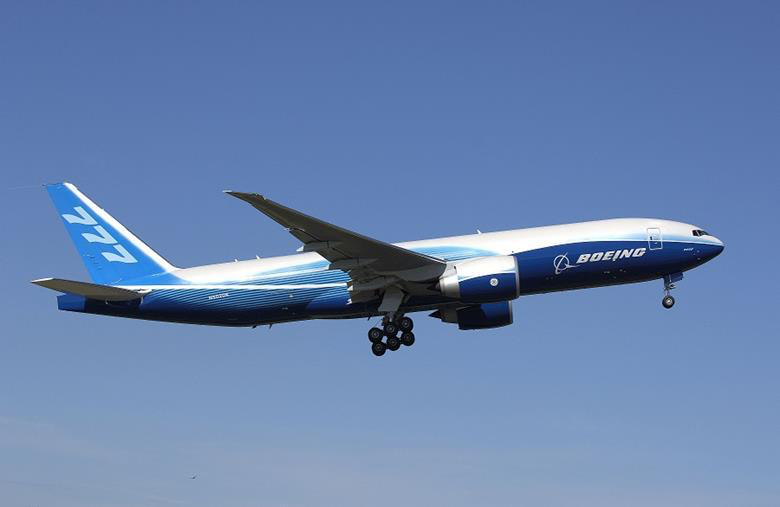
The strongest growth is expected in the large widebody freighter segment, which includes the Boeing 777 Freighter and the upcoming 777-8 Freighter. Boeing forecasts this category will expand from 685 aircraft currently to 1,280 aircraft by 2045, reflecting continued demand for long-haul cargo capacity.
The outlook comes at a time when the air cargo sector continues to experience strong demand for widebody freighter capacity. Delays affecting new-generation freighter programmes, including the Boeing 777-8F and Airbus A350F, combined with limited availability of suitable aircraft for conversion, have contributed to tight capacity conditions in some market segments.
Industry analysis also indicates a changing balance between conversion activity and new aircraft deliveries. Aviation advisory firm IBA reported that widebody freighter conversions exceeded narrowbody conversions for the first time since 2009, although this was primarily due to a slowdown in narrowbody conversion activity rather than a significant increase in widebody conversions.
Boeing said international freighter capacity has increased by 5% year-to-date in 2026, reflecting continued investment by airlines and cargo operators. By 2045, the manufacturer expects freighters to carry around 55% of global air cargo volumes.
Looking ahead, Boeing forecasts that global air cargo traffic will grow at an annual rate of approximately 3.7% through 2045, exceeding projected growth in overall trade and economic activity.
“Demand is supported by the need to move high-value, perishable and time-sensitive goods, as well as supply chain reliability and cross-border e-commerce,” Boeing said in its market outlook.
The long-term forecast underlines the strategic importance of freighters in global logistics networks, as businesses increasingly rely on air cargo for speed, reliability and access to international markets.