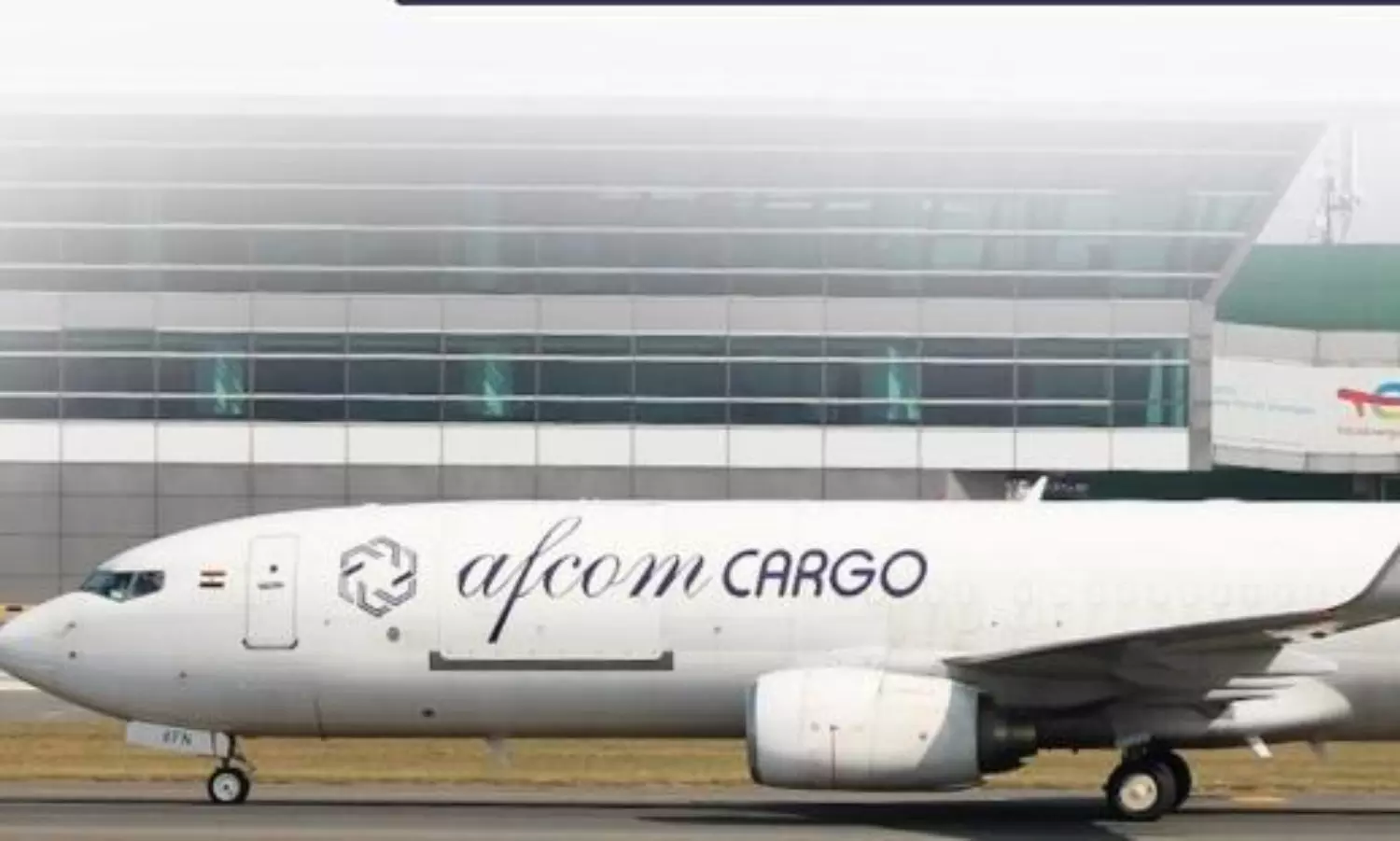
Chennai-based cargo carrier reports strong revenue and earnings growth, supported by emergency charter operations, fleet expansion, and rising regional air freight demand
AFCOM Holdings delivered a remarkable financial performance in the financial year ended March 2026, recording substantial growth in revenue and profitability as disruptions across international air cargo networks created unprecedented demand for flexible charter solutions throughout South Asia and the Indian Ocean region.
The Chennai-headquartered dedicated cargo airline capitalised on market disruptions caused by the suspension and alteration of schedules by several Middle Eastern carriers during March 2026. The resulting bottlenecks in cargo movement created urgent demand for alternative transport corridors, allowing AFCOM to rapidly deploy its fleet and provide charter services for stranded shipments.

The company’s fourth-quarter performance emerged as one of the strongest periods in its history. AFCOM reported total income of ₹1.92 billion for Q4 FY26, representing a year-on-year increase of 87.8 per cent, while net profit climbed 72.85 per cent to ₹446.6 million.
For the full financial year FY26, the company achieved total income of ₹5.88 billion, a significant growth of 143.86 per cent compared with the previous year. Net profit surged 230.05 per cent to ₹1.22 billion, while EBITDA rose 211.72 per cent to ₹2.38 billion, delivering a strong EBITDA margin of 40.52 per cent.
According to company management, the extraordinary fourth-quarter performance was driven by a combination of scheduled freighter operations and a sharp increase in demand for charter services as geopolitical tensions affected normal cargo flows through major Middle Eastern hubs.
Speaking during the earnings discussion, AFCOM management explained that the conflict-related disruptions in March led to the suspension of several scheduled airline services, particularly among carriers operating through the Middle East. The company responded by quickly deploying additional capacity to provide alternative solutions for stranded cargo.
To maintain supply chain continuity, AFCOM operated multiple charter services connecting Chennai, Colombo, and Malé, creating alternative cargo corridors for shipments that traditionally relied on Middle Eastern transshipment hubs. The airline also facilitated cargo movement from eastern India to the Maldives before connecting shipments to western destinations, helping freight forwarders overcome severe network disruptions.
The scale of the company’s charter operations reflected the exceptional market conditions experienced during the quarter. AFCOM completed 602 flights during Q4 FY26, including 415 dedicated charter services. Average revenue per flight reached approximately USD 29,296, while average revenue per kilogram stood at USD 2.72. Aircraft utilisation averaged 23.42 trips per aircraft per week, highlighting the intense operational deployment during the period.
For the entire FY26 period, AFCOM completed 1,923 flights, transporting more than 24,353 tonnes of cargo and generating ₹5.29 billion in revenue from dry lease cargo operations. The company operated 1,129 dedicated charter flights during the year, demonstrating the increasingly important role of ad-hoc and specialised charter solutions within its business strategy.
The airline also continued to expand its international footprint and operational capabilities. During FY26, AFCOM launched freighter operations to Dubai World Central, strengthening its access to the UAE’s strategically important logistics market. The carrier also entered into a strategic partnership with Nauru Air Corporation, supporting its expansion ambitions into Australia and the wider Pacific region.
A key milestone during the year was the induction of AFCOM’s third freighter aircraft following the necessary regulatory approvals, increasing the airline’s available capacity at a time of rising customer demand.
To support its long-term expansion strategy, AFCOM successfully raised ₹2 billion through a Qualified Institutional Placement (QIP), with funds earmarked for fleet growth and strengthening operational capabilities.
The company also received recognition as a designated Indian carrier, a development expected to deliver strategic and financial advantages. According to management estimates, the designation could reduce overall operating costs by 5 to 7 per cent, primarily through exemptions on aviation turbine fuel (ATF) purchases in Tamil Nadu and other statutory benefits linked to export operations.
AFCOM’s growing presence also contributed to stronger cargo activity at Chennai Airport. Company data indicated that Chennai recorded 12.5 per cent growth in international cargo volumes, significantly above the national average of 5.4 per cent, with AFCOM’s expanding international operations playing a major role in driving this increase.
During FY26, the company completed its transition to Indian Accounting Standards (Ind AS), aligning its financial reporting framework with mainboard compliance requirements. The transition altered the accounting treatment of aircraft lease liabilities, depreciation, and finance costs but did not impact the underlying commercial performance of the business.
As a dedicated international cargo airline, AFCOM has positioned itself as a specialised provider of scheduled freighter services, charter operations, and customised transshipment solutions for freight forwarders across South Asia, the Middle East, and other international markets.
The company’s ability to rapidly reposition aircraft, establish alternative cargo corridors, and respond to sudden disruptions has strengthened its market position. AFCOM’s record FY26 performance demonstrates the growing importance of agile cargo operators capable of delivering reliable, flexible, and customer-focused solutions in an increasingly volatile global supply chain environment.