
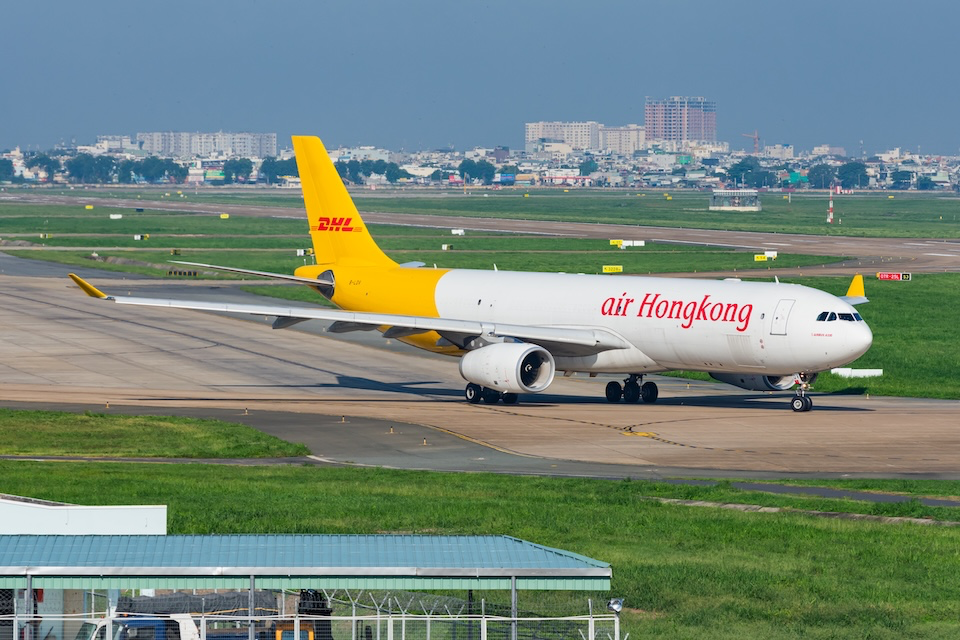
Cathay-owned cargo carrier strengthens fleet capacity through long-term lease agreement as Hong Kong enhances its position as a global air cargo hub
Air Hong Kong, the Cathay Group’s dedicated cargo airline, is set to strengthen its regional freight capabilities with the addition of a converted Airbus A330 freighter, further supporting the group’s long-term cargo growth strategy and expanding connectivity across the Chinese Mainland and key Asian markets.
The airline has signed a long-term lease agreement with Cargo Aircraft Management (CAM), a subsidiary of Air Transport Services Group (ATSG), for the introduction of the Airbus A330 converted freighter. The aircraft is scheduled to join Air Hong Kong’s fleet in the fourth quarter of 2026.

The new addition will increase Air Hong Kong’s operational flexibility and provide additional capacity to meet rising demand for regional air freight services, particularly on routes connecting Hong Kong with the Chinese Mainland and other strategic destinations across Asia.
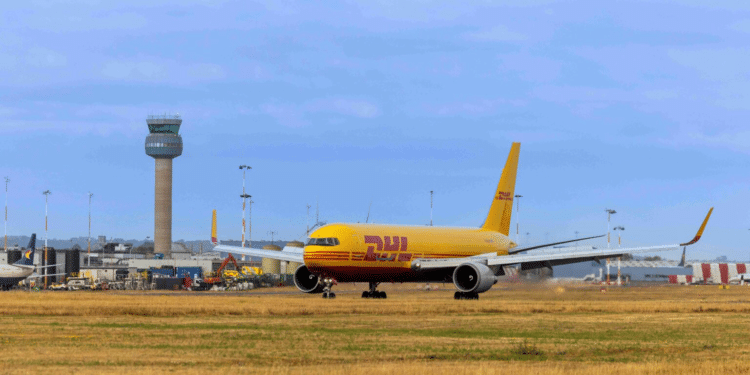
The carrier currently operates an all-Airbus A330 freighter fleet comprising 14 aircraft, primarily supporting express cargo operations for DHL Express. The fleet transition was completed following the retirement of its Airbus A300-600F aircraft in 2025, marking a new phase of modernisation and efficiency for the airline.
The latest fleet expansion comes at a pivotal time for Hong Kong’s aviation sector, following the commissioning of the Three-Runway System at Hong Kong International Airport. The enhanced infrastructure is expected to increase cargo handling capacity, improve operational efficiency, and further strengthen Hong Kong’s role as one of the world’s leading international air cargo gateways.
The additional A330 freighter will also complement the Cathay Group’s broader fleet development plans, including the acquisition of eight next-generation Airbus A350F freighters, with deliveries scheduled to begin from 2027. The A350Fs are expected to provide greater fuel efficiency, improved environmental performance, and enhanced long-haul cargo capabilities.
Commenting on the development, Dominic Perret, Director Cargo at Cathay, said:
“The Cathay Group is strengthening our freighter fleet to support Cathay Cargo’s capacity growth plans, strengthen our network, and reinforce Hong Kong’s status as the world’s leading air cargo hub. “The additional capacity offered by Air Hong Kong’s latest A330 freighter will complement Cathay Cargo’s future A350F freighters, providing us with greater agility to build our regional cargo network and making more options available for our freight forwarder partners.”
Agatha Lee, Chief Operating Officer of Air Hong Kong, said the additional aircraft represents a significant milestone in the airline’s continued evolution and regional expansion strategy.
“We look forward to welcoming this newest addition to our fleet, which will enable Air Hong Kong to leverage the opportunities presented by the Three-Runway System at Hong Kong International Airport to expand our presence in the region. “This marks an exciting chapter for Air Hong Kong as we expand our business to support the ongoing development of the Hong Kong international aviation hub.”
Alongside Air Hong Kong’s dedicated freighter operations, Cathay Cargo maintains a substantial global cargo network through its own fleet of 20 Boeing 747 freighters and the extensive belly-hold capacity available across the Cathay Group’s passenger operations.
The cargo division has also strengthened its future fleet strategy by increasing its Airbus A350F order with two additional aircraft, reflecting confidence in long-term air freight demand and the strategic importance of maintaining a modern and flexible freighter fleet.
The addition of the leased A330 freighter demonstrates the Cathay Group’s continued investment in fleet renewal, regional connectivity, and cargo capacity expansion. As supply chains across Asia continue to evolve and e-commerce, express shipments, and time-sensitive cargo demand grow, Air Hong Kong is positioning itself to play an increasingly important role in supporting the region’s dynamic logistics landscape.