
The global air cargo and logistics industry has cautiously welcomed the emerging peace agreement between the United States and Iran, viewing it as a potential turning point for stabilising disrupted supply chains, easing fuel costs, and restoring confidence across international trade corridors.
The tentative US–Iran framework agreement, which aims to bring an end to months of conflict and facilitate the reopening of the strategically vital Strait of Hormuz, has generated optimism among freight operators worldwide. The waterway, one of the world’s most critical energy transit routes, has been at the centre of recent geopolitical tensions, with its closure triggering severe disruptions in global oil movements and sending energy prices sharply higher.
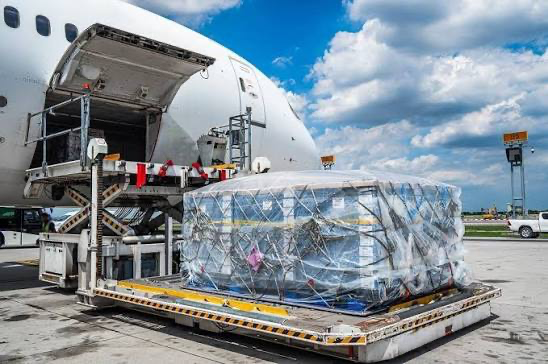
For the air cargo sector, the conflict created a dual challenge. The surge in jet fuel prices significantly increased airline operating costs, while security concerns and airspace restrictions forced supply chains to shift away from traditional Middle Eastern gateways. Although some air operations have gradually resumed following the reopening of regional airspace, capacity levels have yet to fully recover.
Related Post



According to Rotate data, airfreight capacity between the Middle East and Europe remained approximately 20% lower than the same period last year, while capacity from Asia into the Middle East was down by around 4%, highlighting the lingering impact of the conflict on global cargo networks.
Industry representatives say that while the agreement represents a positive diplomatic breakthrough, a return to normal operating conditions will depend on the effective reopening of the Strait of Hormuz, guarantees around safe navigation, and the restoration of confidence among shipping and logistics providers.
The US Airforwarders Association (AfA) cautiously welcomed the development, stating that a sustainable resolution could help reduce economic pressure on businesses and consumers while improving stability in global trade.
The association emphasised that freight forwarders and air cargo stakeholders have played a critical role throughout the crisis, ensuring that time-sensitive shipments continued to move despite rapidly changing operating conditions.
“Recent events have once again demonstrated that air cargo is not merely a commercial service but a crucial component of economic resilience, emergency response, and national stability,” the organisation said.
However, AfA stressed that the industry requires greater certainty regarding the implementation of the agreement and the mechanisms that will guarantee unrestricted movement through the Strait of Hormuz.
“Forwarders have faced prolonged disruption arising from geopolitical conflict, trade uncertainty, tariffs, and broader economic pressures. The sector now needs predictable policies and stable operating conditions so that businesses can plan investment and manage supply chains with confidence,” the association added.
The proposed agreement has also been welcomed by Logistics UK, although the organisation warned that rebuilding pre-conflict supply chain patterns will not happen overnight.
Ben Fletcher, Chief Executive of Logistics UK, said that despite encouraging signs of de-escalation, it could take months for global supply chains to fully normalise as vessels remain displaced, commercial agreements require renegotiation, and elevated fuel costs continue to impact transport operators.
“The Middle East conflict has demonstrated how vulnerable global trade can be to unexpected geopolitical shocks. Building greater resilience into supply chains is the only effective way to mitigate similar disruptions in the future,” Fletcher noted.
He further pointed to the economic consequences of the crisis, noting that the decline in business confidence and increased volatility had interrupted early signs of economic recovery, with the UK economy contracting by 0.1% in April.
Logistics UK has urged policymakers to introduce measures aimed at controlling energy costs, supporting the adoption of low-carbon fuels, reducing electricity expenses, and providing broader business rate support to strengthen supply chain competitiveness.
While US President Donald Trump has claimed that oil tankers have already begun moving through the Strait of Hormuz, maritime experts remain cautious. Industry reports indicate that many shipping companies are likely to wait until security measures are fully implemented and navigational risks, including potential hazards left behind during the conflict, are addressed before resuming large-scale operations.
For the global air cargo community, the peace framework offers a much-needed opportunity for recovery. However, industry leaders caution that restoring capacity, reducing fuel-related cost pressures, and rebuilding supply chain confidence will be a gradual process rather than an immediate return to pre-conflict conditions.