
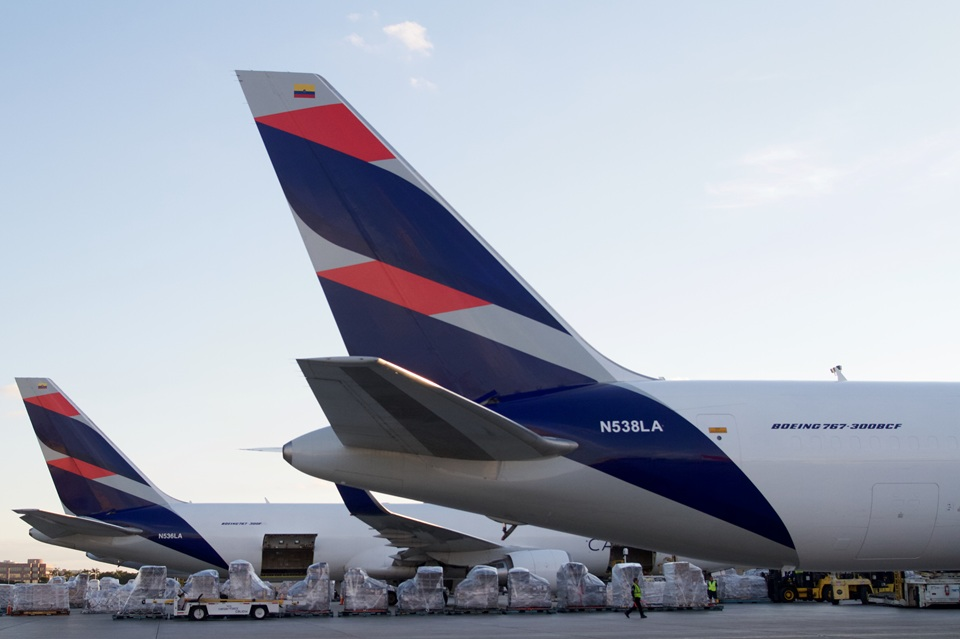
LATAM Cargo has become the first airline in the Americas to integrate the International Air Transport Association’s (IATA) DG AutoCheck solution directly into its core cargo management system, Croamis, as the carrier moves to automate dangerous-goods acceptance and compliance processes.
The integration enables real-time validation of dangerous-goods information and automatically alerts customers when discrepancies are identified. LATAM Cargo said the greater visibility allows issues to be addressed earlier, helping reduce acceptance delays and improve the reliability of planned shipment schedules.
DG AutoCheck automatically verifies the Shipper’s Declaration for Dangerous Goods (DGD) against applicable requirements under the IATA Dangerous Goods Regulations. The system also provides cargo acceptance personnel with an interactive checklist to support standardised physical inspections of packaging and classification.

By automating elements of the compliance process, the integration is intended to reduce the risk of missed checks while allowing dangerous-goods specialists to focus their time on cases requiring additional review. IATA describes DG AutoCheck as a digital solution designed to improve the accuracy and efficiency of dangerous-goods compliance verification.
Validated information can also be reused to automate the preparation of the Notification to Captain (NOTOC), reducing duplicate data entry and providing a more consistent flow of critical dangerous-goods information to flight operations.
LATAM Cargo said the integration provides full digital traceability for shipments while strengthening support for regulatory audits. It also allows personnel at cargo acceptance points to spend more time supporting customers in situations requiring additional assistance.
Daniel Leng, vice president of operations at LATAM Cargo, said the company’s position as the first airline in the Americas to complete the integration demonstrates its commitment to digitalising the dangerous-goods acceptance process.
“Being the first airline in the Americas to achieve this integration demonstrates our commitment to driving digitalization for our customers’ benefit,” Leng said. “We are not only prioritizing safety; we are also simplifying a complex process to give them valuable time back through a far more efficient operation for everyone.”
The implementation was developed through collaboration between LATAM Cargo, IATA and Wipro, with the technology integrated into Croamis, the carrier’s core operational platform. Wipro confirmed the integration in a recent company update, noting that LATAM Cargo has automated real-time dangerous-goods validation through the system.
Frederic Leger, IATA’s senior vice president of products and services, said the integration represents an important step in the digital transformation of dangerous-goods handling.
He said connecting DG AutoCheck with Croamis enables validated compliance data to flow through the airline’s operational systems while automating key processes, including compliance verification and NOTOC creation.
IATA has been developing DG AutoCheck as part of its wider digitalisation strategy for dangerous-goods acceptance. The organisation says the solution was developed with input from airlines, ground handlers and freight forwarders and is designed to improve safety, compliance and efficiency.
The first deployment at LATAM Cargo’s Miami station has already been completed successfully. The airline plans to extend the technology progressively across its network.
LATAM Cargo said the phased implementation will allow the solution to be adapted to different operational environments and local working practices while maintaining consistent standards across stations.
The rollout forms part of the carrier’s broader effort to reduce manual processes and increase digitalisation across cargo operations, with dangerous-goods handling representing a particularly important area because of the safety and regulatory requirements associated with such shipments.
For customers, the integration is expected to provide earlier visibility of documentation issues, faster acceptance processes and greater transparency throughout the shipment journey, while giving LATAM Cargo a more standardised digital framework for managing dangerous goods across its network.