
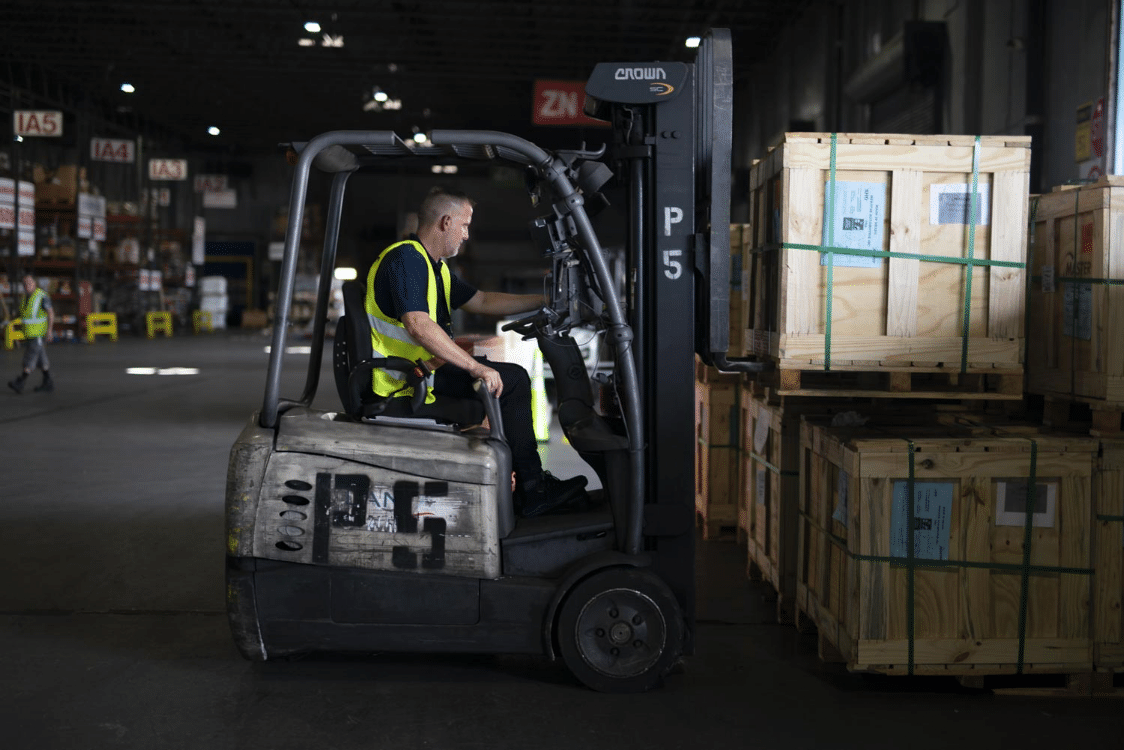
LATAM Cargo has introduced virtual reality (VR) training at its Miami air cargo hub, using immersivesimulations to strengthen workplacesafety, improve hazard awareness and prepare warehousepersonnel for high-risk operational situations.
The initial phase of the programme is expected to cover approximately 550 employees, including250 forklift operators. The system allowspersonnel to practise procedures and respond to simulatedincidents in a controlled digital environment designed to replicate their workingconditions.
Developed in collaboration with Academia LATAM, the LATAM Group’s internal training division, the platform captures behavioural data, including response times during simulated contingenciesand employees’ ability to identify and mitigate hazards.
Related Post



The initiative reflects the growing use of digital simulation in air cargo operations, where warehouseteams must coordinate vehicle movements,handle varied cargo types and maintain strict separationbetween pedestrians and machinery.
Simulations Target High-Risk Warehouse Operations
The Miami training system features scenarios across six warehouse pedestrian zones and threespecialised modules for forklift drivers. Theexercises cover several safety-critical procedures, includingdangerous goods segregation, cargo handling, pedestrian traffic managementand protocols formaintaining safe distances between people and machinery.
By recreating these situations digitally, the programme allows staff to rehearse responses to operationalrisks without being exposed tothe physical hazards of a live warehouse incident.
The platform also provides measurable performance indicators that can help trainers assess howquickly employees respond to emergenciesand whether they identify potential hazards appropriately.LATAM Cargo says this approach is intended to strengthen situational awarenessand complementconventional training methods.
Miami Rollout Builds on Earlier Chile Deployment
The Miami implementation follows an initial rollout of VR-based onboarding training at the Fast Airwarehouse in Santiago, Chile. The latestphase expands the programme to cover a broader rangeof operational scenarios and a significantly larger workforce.
LATAM Cargo is also assessing whether the training system could be introduced at other strategichubs across its network, including locationsin Brazil. No timetable for further deployments hasbeen announced.
Daniel Leng, chief operating officer of LATAM Cargo, said the introduction of VR at Miami markedan important step in the company’s operationalsafety strategy. He explained that placing employeesin simulated versions of their actual work environments helps bridge the gap betweenclassroominstruction and practical operations, with the aim of delivering safer and more efficient cargo handling.
Technology Supports a Safety-Focused Cargo Operation
Miami is an important gateway for LATAM Cargo’s international operations, particularly for shipmentsmoving between Latin America andNorth American markets. Training warehouse personnel to managehazardous situations, operate equipment safely and respond consistentlyto unexpected eventsis therefore central to maintaining reliable cargo-handling processes.
The VR programme provides a structured environment in which employees can practise safetyprocedures repeatedly while trainers assesstheir responses. Its longer-term value will depend on howeffectively the company uses performance data to identify training needs andwhether improvementsin simulated exercises translate into measurable gains in workplace safety.
For the wider air cargo industry, the initiative demonstrates how immersive technology can supplementtraditional training as operators seekto improve staff preparedness, reduce operational risks andmaintain consistent handling standards across geographically dispersed facilities.