
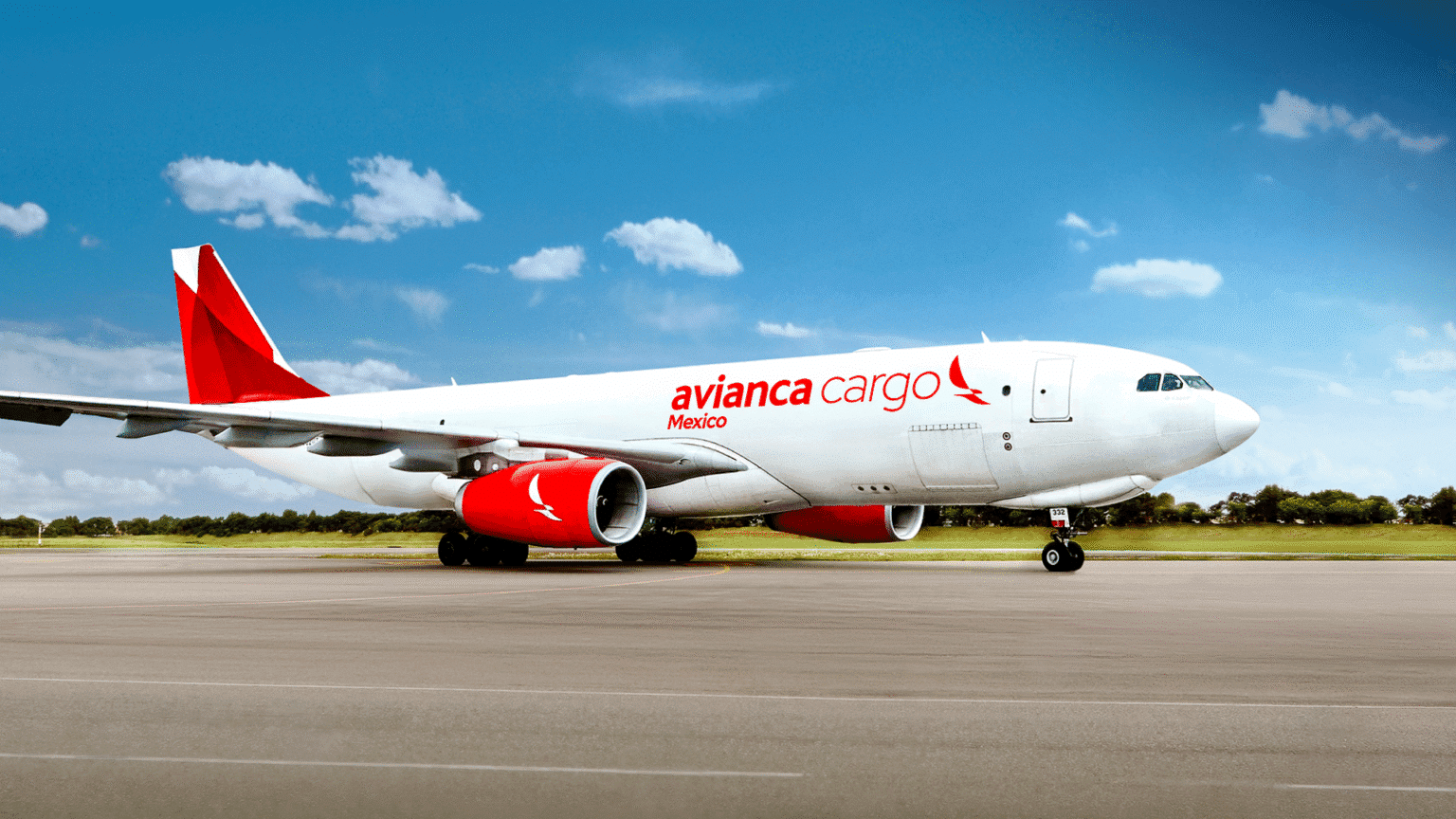
- Avianca, an airline of the Abra Group, was recognized as a top performing airline in terms of emissions efficiency performance within Latin America in Cirium’s 2025 evaluation, and as the number one airline in South America.
- In the analysis conducted by Cirium, a global leader in aviation data, analytics and intelligence whose insights are widely used by airlines, manufacturers, airports, suppliers and governments around the world, Avianca ranked No. 27 globally among the airlines with the strongest emissions efficiency performance.
- It is also stated by Avianca align with Abra Group’s vision of promoting a responsible transition toward lower-emissions aviation while maintaining the connectivity the region needs.
The Colombian airline placed 27th globally in Cirium’s 2025 evaluation, while ranking third across Latin America. Its performance reflects improvements in fleet efficiency, network planning and fuel consumption.
Avianca has been recognised as the highest-ranked airline in South America for passenger emissions efficiency in Cirium’s 2025 assessment, placing 27th in the global ranking.
The Colombian carrier recorded emissions intensity of 60.87 grams of CO₂ per available seat-kilometre (CO₂/ASK), according to figures reported in connection with Cirium’s EmeraldSky evaluation. Across Latin America, Avianca ranked third, behind Mexican operators Volaris, which placed 14th globally, and VivaAerobus, at 26th.
Related Post


The assessment highlights the airline’s efforts to improve operational efficiency while maintaining connectivity across a region where geography and limited surface transport infrastructure make air services particularly important.
Cirium’s analysis identifies fleet renewal, cabin reconfiguration, network optimisation and fuel-saving initiatives as key contributors to Avianca’s performance. These measures have helped the airline increase capacity while reducing the environmental impact associated with its operations.
Gabriel Oliva, president of Avianca Group, said the recognition reflected several years of work to improve efficiency through the introduction of next-generation aircraft, network optimisation, cabin changes and the continued implementation of fuel-saving measures.
He added that the airline’s objective was to reduce emissions intensity per passenger while maintaining reliable and accessible services across Latin America.
Capacity growth alongside lower emissions
Cirium’s published Flight Emissions Review provides further context for Avianca Group’s progress. Between 2019 and 2024, the group increased its available seat-kilometres by 18.1% while reducing total carbon dioxide emissions by 5.1%.
Over the same period, emissions intensity fell by 19.6%, from 82.6 grams of CO₂ per available seat-kilometre in 2019 to 66.3 grams in 2024.
Cirium highlighted this combination of capacity expansion and lower absolute emissions as an uncommon achievement among large airlines. The results point to the contribution of fleet and operational changes to improving efficiency as the airline expanded its network.
The distinction between total emissions and emissions intensity is important: the former measures the overall volume of CO₂ released, while the latter measures emissions relative to the passenger capacity offered.
Aviation’s role in regional connectivity
Latin America presents particular operational challenges for airlines. In countries such as Colombia, mountainous terrain, long distances and limited ground transport alternatives make air travel an essential link between communities and economic centres.
Avianca’s parent company, Abra Group, has emphasised the role of aviation in supporting trade, tourism, economic development and access to essential services across the region.
María del Mar Whittaker, chief corporate responsibility officer at Abra Group, said the transition towards more efficient aviation must go hand in hand with stronger connectivity. She described operational efficiency as a means of generating both economic and environmental value.
The group said it would continue working with its airlines and industry stakeholders to advance more efficient operations while preserving the connectivity needed to support regional growth.
Measuring airline emissions efficiency
Cirium’s EmeraldSky framework uses passenger CO₂ emissions per available seat-kilometre to compare the emissions efficiency of airlines. The measure expresses the amount of carbon dioxide emitted in relation to the passenger capacity offered and the distance flown.
A lower CO₂/ASK figure indicates lower emissions intensity per unit of available passenger capacity. The metric provides a basis for comparing operational efficiency, although it does not represent an airline’s total emissions or account on its own for every aspect of its environmental performance.
Cirium’s Flight Emissions Review uses aviation operational data and analytical modelling to assess airline performance. The report states that its methodology has been independently assured under the ISAE 3000 standard.
Avianca’s reported ranking places it among the leading airlines in South America for passenger emissions efficiency, while the group’s longer-term figures demonstrate how capacity growth can be accompanied by reductions in both total emissions and emissions intensity.