Hong Kong International Airport (HKIA) handled 3.34 million tonnes of cargo during the first eight months of 2026, an increase of 2.6% compared with the same period last year, despite a year-on-year decline in freight volumes in August. Cargo throughput in August fell 1.2% to 422,000 tonnes, with an 8.8% decline in exports partly offset by stronger transshipment and import volumes, which increased by 18.2% and 3.6%, respectively.
The latest figures point to changing patterns across HKIA’s major air freight markets. Between January and August, cargo traffic involving the Chinese Mainland increased 17% year on year, while Southeast Asian traffic rose 14% and European traffic grew 8%. These increases helped offset declines in cargo traffic involving North America and the Middle East, according to figures released by HKIA.
The August data also highlighted the growing contribution of transshipment cargo. While overall monthly throughput was lower than a year earlier, the 18.2% increase in transshipments provided a significant counterweight to weaker export volumes. Over the 12 months to August, HKIA handled more than 5.15 million tonnes of cargo, representing year-on-year growth of 2.7%.
Related Post




The cargo performance comes against a broader increase in airport activity. HKIA handled 5.86 million passengers in August, up 3.5% year on year, while aircraft movements increased 0.5% to 34,995. For the first eight months of 2026, passenger traffic reached 44.3 million, up 10.1%, while aircraft movements rose 3.5% to 269,900.
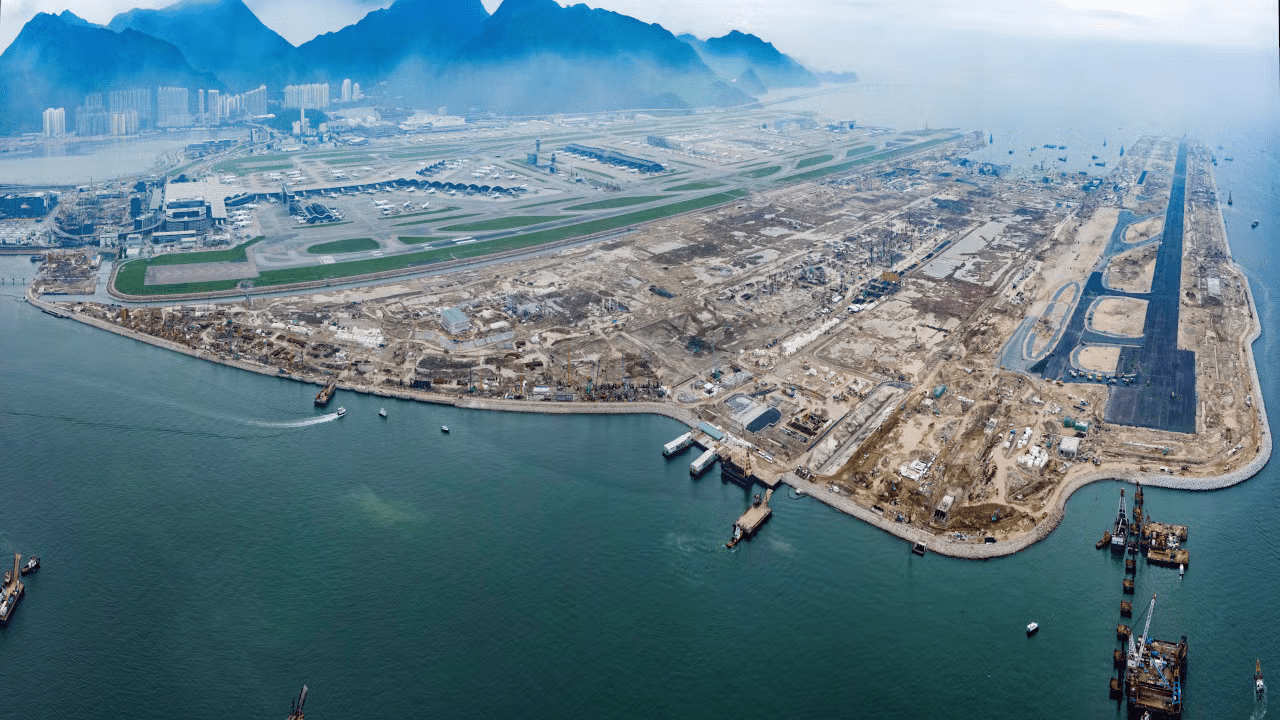
The latest cargo figures underline the continued importance of regional trade flows to HKIA’s freight performance. Stronger volumes involving the Chinese Mainland and Southeast Asia, together with growth on European routes, have supported overall year-to-date growth, while weaker export volumes in August and declines in North American and Middle Eastern traffic remain important factors shaping the airport’s cargo outlook. Hong Kong authorities are also continuing to develop the airport’s role as an international aviation and logistics hub, including expanded multimodal and cargo-transshipment initiatives.