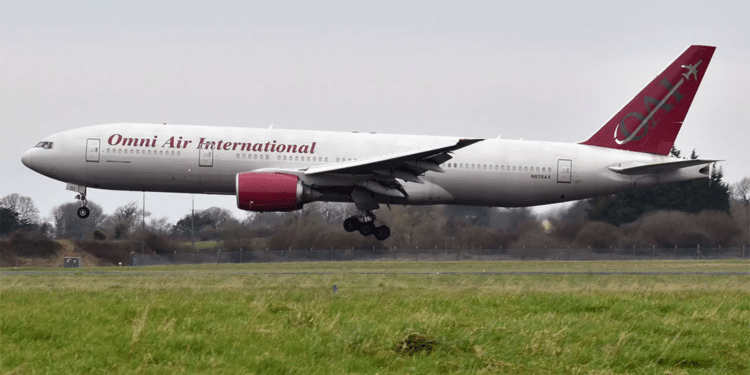

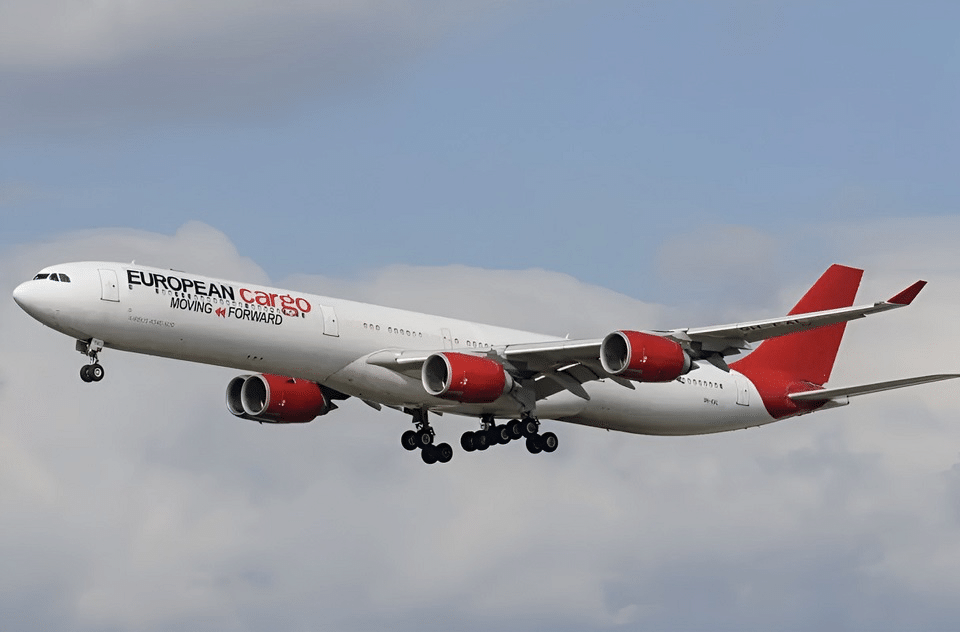
European Aviation has completed the acquisition of European Cargo’s aircraft and associated aviation assets following the UK cargo carrier’s entry into administration earlier this year, paving the way for a potential restart of freighter operations.
The transaction covers 16 Airbus A340 aircraft, including seven freighters described as flight-ready, together with a substantial inventory of Rolls-Royce Trent 553 and Trent 556 spare engines. More than 14,000 line items of aircraft and engine spares are also included in the acquisition.
European Aviation chairman and chief executive Paul Stoddart said the company was confident the fleet could return to service and remain operational for the foreseeable future.
Related Post

“We are delighted to have concluded our acquisition of all of the assets of ECL with the joint administrators,” Stoddart said. “Whilst this is a massive investment from EAL, I feel totally confident that we can keep this excellent fleet of cargo aircraft flying for the foreseeable future.”
Seven freighters identified for potential return to service
The acquisition gives European Aviation control of a sizeable A340 fleet at a time when the aircraft type has become increasingly uncommon in dedicated cargo operations.
European Cargo’s own fleet information previously listed the A340-600 as the foundation of its operation, with the modified aircraft capable of carrying up to 76 tonnes and providing approximately 440 cubic metres of cargo volume. The company developed a distinctive freighter configuration using cargo pods rather than installing a conventional main-deck cargo door.
The arrangement enabled the aircraft to retain the possibility of being returned to passenger configuration, although the absence of a conventional cargo door makes loading more complex than with purpose-built freighters.
The seven flight-ready aircraft acquired by European Aviation therefore represent the most immediate potential source of capacity for a restart, while the remaining aircraft and extensive spares inventory provide additional fleet and maintenance resources.
European Cargo collapse followed financial pressure
European Cargo entered administration in June 2026, with Teneo Financial Advisory appointed as joint administrators. The company had ceased flying before the formal administration process and its A340 fleet was subsequently grounded.
The carrier had built a specialist business around long-haul cargo services using converted Airbus A340-600 aircraft, including services linking the UK with Asian markets. Its operations included cargo activity from Bournemouth Airport and Teesside International Airport, with e-commerce shipments forming an important part of its traffic mix.
Reports surrounding the administration cited reduced flying activity, weaker market conditions and rising fuel costs among the pressures facing the airline. European Cargo’s four-engine A340 fleet also faced a challenging cost environment as fuel prices increased and competition from newer, more fuel-efficient twin-engine freighters intensified.
The company’s latest reported financial results showed a 2024 net loss of about $26 million on revenue of approximately $136 million, following a net loss of around $30.6 million in 2023.
From pandemic cargo operation to permanent freighters
European Cargo emerged during the early stages of the Covid-19 pandemic after European Aviation sought to provide capacity for the transportation of medical equipment from Asia to the UK.
The business subsequently developed a longer-term cargo model around Airbus A340-600 aircraft acquired from passenger operators. During the pandemic period, the aircraft were used to transport personal protective equipment and other medical supplies before the company moved towards a permanent freighter configuration.
European Cargo later secured approval for its A340-600 conversion programme, with the resulting aircraft offering a 76-tonne payload capability. European Cargo’s official fleet information states that its aircraft had been repurposed during the pandemic and had completed more than 400 flights transporting PPE and test kits.
European Aviation returns to the A340 cargo fleet
The acquisition also brings the A340 fleet back under the control of European Aviation and Stoddart, who had previously been associated with European Cargo before the company changed ownership.
Independent reporting in August confirmed that European Aviation had agreed to acquire European Cargo’s assets from the administrators, including the 16 A340 aircraft, engines and spare-parts inventory.
The immediate priority will be determining how and when the flight-ready aircraft can return to commercial service, including maintenance, regulatory and operational requirements. The extensive stock of engines and spares could support the continued operation of the ageing A340 fleet while European Aviation evaluates the longer-term commercial strategy.
For the UK air cargo market, the acquisition preserves the possibility of renewed dedicated freighter capacity from the Bournemouth and Teesside markets, while giving a specialist A340 fleet another opportunity to operate in the increasingly competitive long-haul cargo sector.