
Pressure is mounting over the proposed third runway at London Heathrow, with the GMB union calling for the UK government to accelerate the planning process and move the project towards construction.
The union, which represents workers at Heathrow, has urged policymakers to put “spades in the ground” and warned that delays should not be interpreted as a decision to abandon the expansion. The intervention follows reports that Heathrow’s previously targeted 2035 opening date is no longer achievable, with the project now understood to face a later timetable.
The proposed expansion remains subject to the UK planning and development-consent process. The government published a draft Heathrow Expansion National Policy Statement (HENPS) in June 2026, but stressed that the document is not planning permission and that any runway would still require a planning application, examination and final approval.
Related Post




GMB urges action on planning delays
Warren Kenny, GMB London Regional Secretary, said the revised timetable should not be used as an argument against the project.
“Opponents of this runway will try to dress up a timetable as a verdict. It isn’t one,” Kenny said, arguing that delays were a reason to accelerate the process rather than abandon the project. He called for the planning framework to be finalised and the necessary decisions to be taken.
The union says the expansion could support 108,000 new jobs, while Heathrow’s proposal is 100% privately financed. GMB has also called for the jobs associated with the project to be union-recognised, fairly paid and accessible to workers in communities around the airport.
The comments come as the project enters a new stage of the government’s planning process. The Department for Transport’s consultation on the draft HENPS ran from June to September, with parliamentary scrutiny continuing into November.
Heathrow maintains 2029 planning target
Heathrow has continued to state that its focus is securing planning permission by 2029. The airport says that, once permission is secured, the runway could become operational within a decade.
That position represents a significant change from the government’s earlier ambition. In November 2025, ministers said the objective was to enable an operational third runway by 2035.
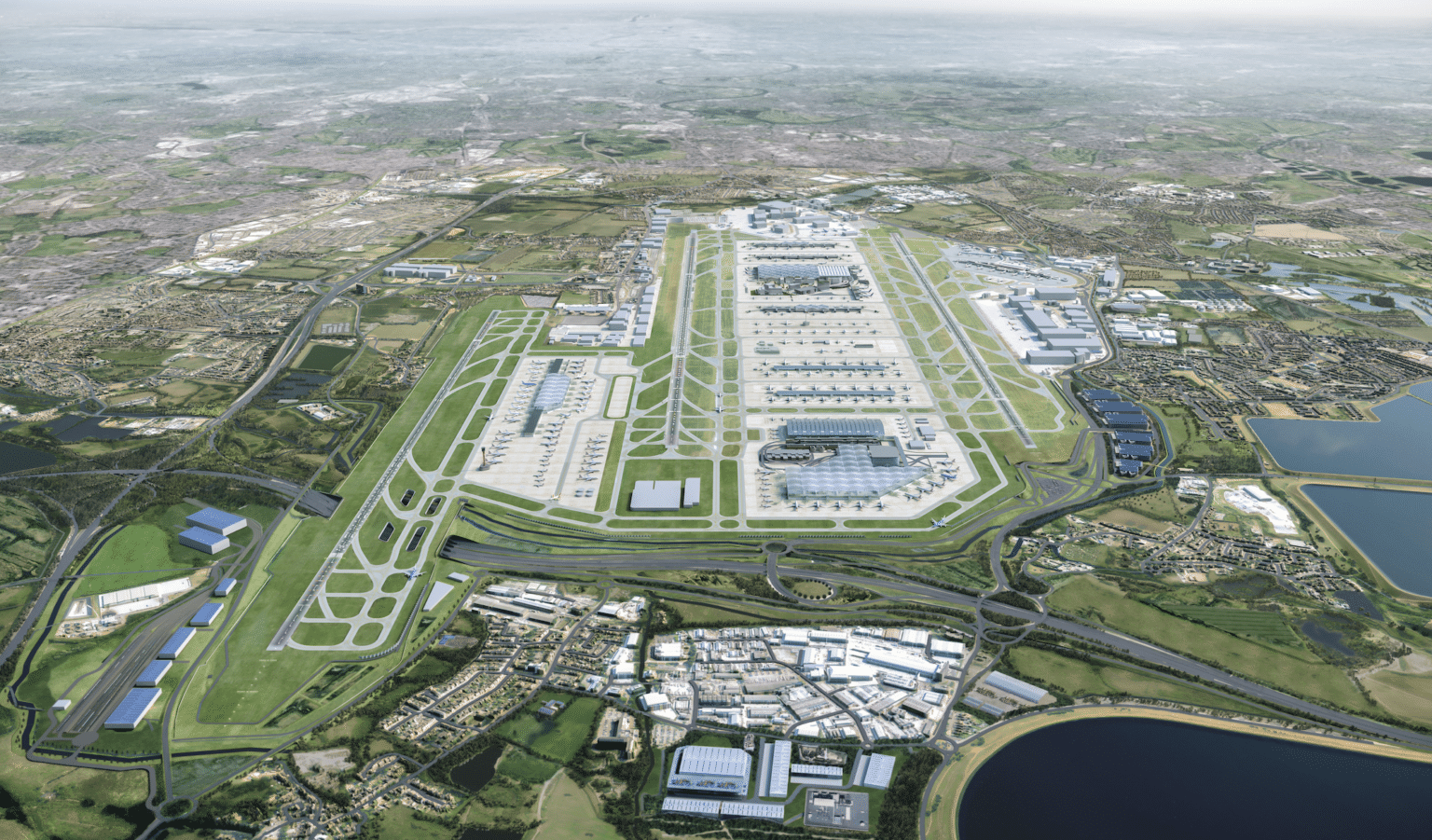
Heathrow’s current expansion programme includes a new northwest runway together with additional terminal, airfield and surface-access infrastructure. The airport has previously estimated the wider expansion programme at £49 billion, including a £21 billion third-runway project, and says the investment would be privately financed.
Heathrow’s role in UK trade
For the air cargo sector, the capacity debate is significant. Heathrow says £293 billion worth of goods passed through the airport in 2025, representing more than a quarter of UK trade by value. The airport handled more than 1.59 million tonnes of cargo associated with those trade flows.
Heathrow describes itself as the UK’s largest port by value and says it handles more cargo than all other UK airports combined. Its current cargo network serves more than 230 destinations, with more than 110 long-haul routes.
The airport has also said its proposed expansion would increase cargo capacity by 50%, adding capacity at a hub that plays a significant role in the movement of high-value and time-sensitive goods.
Capacity and international competitiveness
Supporters of the third runway argue that additional capacity is necessary to strengthen Heathrow’s role as an international passenger and freight hub.
The UK government has said an expanded Heathrow could improve international passenger and freight links, support new jobs and generate more than £40 billion in economic benefits. Its June 2026 consultation also highlighted the airport’s importance as the world’s busiest two-runway airport by flight numbers.
GMB has taken a similar position, arguing that continued constraints at Heathrow could affect the UK’s ability to capture future trade. Kenny said that without additional runway capacity, new trade could increasingly move through competing European hubs.
The debate, however, remains subject to the government’s planning framework and the environmental and community requirements attached to any future development. The draft HENPS sets four central tests covering economic growth, climate change, air quality and noise, while the government’s surface-access plans also recognise the need to address congestion and environmental impacts around an expanded airport.
Expansion remains a planning process
Despite renewed calls for construction to begin, Heathrow’s third runway has not yet received final planning approval.
The government selected Heathrow Airport Limited’s northwest runway proposal in November 2025 as the scheme to inform its review of the national planning framework. In June 2026, it published the draft HENPS for consultation. The framework must now proceed through the required policy and parliamentary stages before a future development-consent application can be determined.
For the cargo industry, the outcome will have implications well beyond the airport’s immediate surroundings. Heathrow’s position as a major gateway for UK imports and exports means that decisions over additional runway and cargo capacity will remain closely watched by airlines, freight forwarders, logistics providers, exporters and other supply-chain stakeholders.