

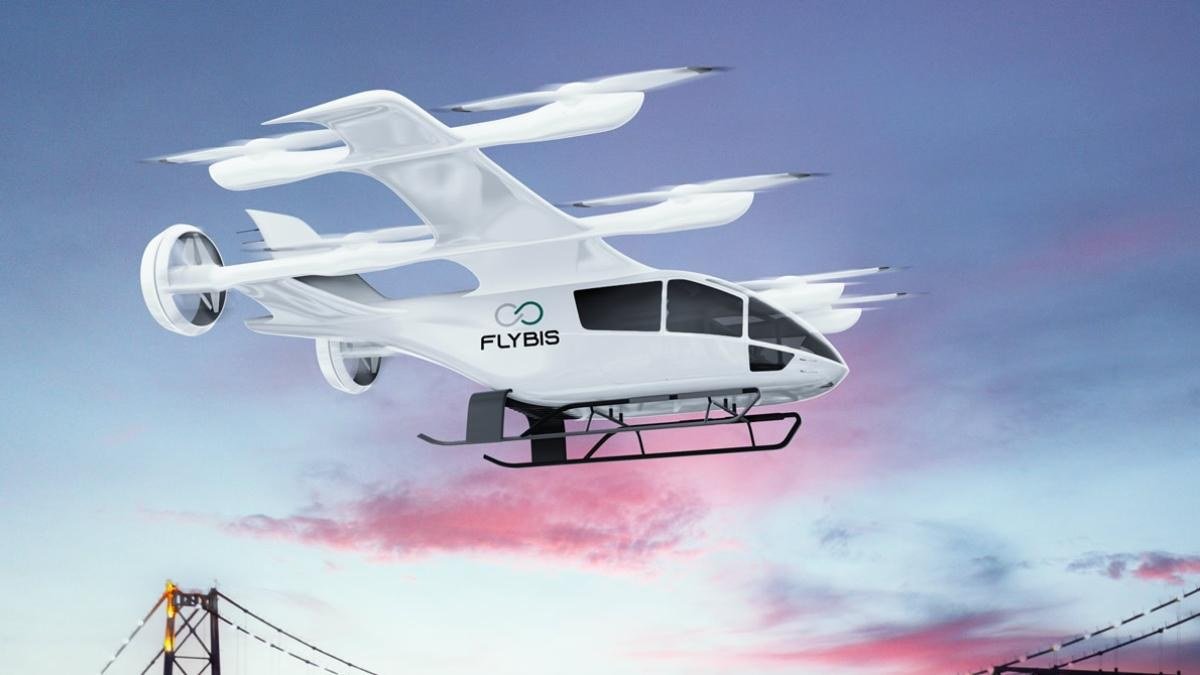
- Eve Air Mobility (NYSE: EVEX; B3: EVEB31) and FlyBIS Aviation Limited (“FlyBIS”) today announced the signing of a binding agreement for up to 12 electric Vertical Take-Off and Landing (eVTOL) aircraft
- eVTOLs have been a much talked about development in connection with their capabilities for air cargo, and how this could alter the airfreight landscape.
- Eve and FlyBIS will continue collaborating on the requirements to support entry into service, including network planning, operational readiness, infrastructure and the integration of eVTOL services into the broader transportation ecosystem.
The agreement includes two firm aircraft orders and purchase rights for 10 additional units, advancing plans for electric regional and urban air mobility services across Santa Catarina and Rio Grande do Sul. The partnership also highlights the potential of next-generation electric aircraft for future logistics and specialised cargo applications.
Electric aviation is moving closer to commercial deployment in Southern Brazil, with Eve Air Mobility and Brazilian advanced air mobility company FlyBIS Aviation signing a binding agreement covering up to 12 electric vertical take-off and landing (eVTOL) aircraft.
Announced on 4 November 2026, the agreement comprises two firm orders and purchase rights for 10 additional aircraft. FlyBIS intends to deploy Eve’s aircraft in Southern Brazil, initially establishing connections between destinations in the states of Santa Catarina and Rio Grande do Sul.
Related Post




The agreement marks an important development in the companies’ collaboration, which began with a Letter of Intent announced in 2022. It moves the partnership beyond preliminary market planning towards concrete fleet commitments and preparations for future commercial operations.
The proposed network is expected to serve a combination of business centres, coastal destinations and tourism markets, where demand for faster regional connections is creating opportunities for alternative transportation solutions.
Southern Brazil identified as an important eVTOL market
Potential routes include Navegantes, Balneário Camboriú and Florianópolis along the Santa Catarina coastline. FlyBIS is also considering connections to tourism destinations in the mountainous region of Rio Grande do Sul, including Gramado and Bento Gonçalves.
These locations represent a combination of commercial, leisure and tourism markets where road journeys can be time-consuming, particularly during busy travel periods.
The deployment of eVTOL aircraft is intended to provide faster point-to-point connections while supporting the development of a more sustainable regional transportation network.
Johann Bordais, Chief Executive Officer of Eve Air Mobility, described the agreement as an important milestone in the relationship with FlyBIS, demonstrating how customers are progressing from early market development towards firm fleet commitments.
He noted that Southern Brazil offers significant potential for urban air mobility because of its strong tourism and business activity.
The companies will continue working together on network planning, operational readiness, infrastructure requirements and the integration of eVTOL services into the wider transportation ecosystem.
FlyBIS advances plans for electric regional connectivity
For FlyBIS, the agreement represents a significant step towards establishing an advanced air mobility business in Brazil and potentially expanding its reach across Latin America.
Gustavo Zanettini, Co-founder and Chief Executive Officer of FlyBIS, said the binding agreement brings the company closer to introducing a new form of regional and urban connectivity in Southern Brazil.
He highlighted Eve’s integrated approach, which combines aircraft development with services and operational support, as an important foundation for preparing future operations.
The partnership will focus not only on aircraft acquisition but also on the commercial and operational requirements needed to establish a functioning eVTOL network. These include infrastructure development, route planning, operational procedures and integration with existing transportation systems.
Eve advances aircraft testing and certification preparations
The agreement comes as Eve continues to progress with the development and flight-testing of its full-scale eVTOL engineering prototype.
According to the company, the prototype has completed more than 70 flights since its first flight, covering hover and low-speed phases of the test programme.
Eve is now expanding the aircraft’s flight envelope through transition-flight testing. This includes testing the in-flight activation of its rear pusher propulsion system as the aircraft progresses towards wing-borne flight.
These developments are important milestones in validating the aircraft’s flight characteristics and advancing the programme towards certification and eventual commercial operations.
In September 2026, Brazil’s Ministry of Ports and Airports convened aviation authorities, government representatives and Eve to discuss the regulatory and infrastructure requirements for advanced air mobility.
The discussions covered aircraft certification, vertiport infrastructure, energy supply, operational safety, telecommunications and airspace integration.
The involvement of government agencies and aviation stakeholders highlights the importance of developing the supporting ecosystem alongside the aircraft itself.
Implications for the future of air cargo and logistics
Although the FlyBIS agreement is primarily focused on urban and regional passenger transportation, the development of eVTOL technology is attracting growing interest across the wider aviation and logistics industries.
Electric vertical take-off and landing aircraft could eventually support specialised logistics applications, including time-sensitive deliveries, medical supplies, high-value shipments and connectivity to locations where conventional aircraft operations are less practical.
However, the present agreement does not announce any dedicated cargo services or freight deployment. Its immediate focus is regional passenger mobility.
For the air cargo industry, the wider significance lies in the development of electric propulsion, distributed aviation infrastructure and new operating models that could influence future short-distance logistics networks.
Brazil’s large geographical footprint, growing urban centres and established aerospace industry make it an important market for testing and developing these emerging aviation technologies.
Brazil strengthens its position in advanced air mobility
Eve, which benefits from the aerospace expertise of its parent company Embraer, is pursuing an integrated approach to advanced air mobility, combining aircraft development with services, operational support and air traffic management solutions.
The agreement with FlyBIS adds another commercial commitment to its international customer base and strengthens its presence in its home market.
For Southern Brazil, the planned deployment could create new regional connections between coastal cities and tourism destinations, provided aircraft certification, infrastructure and operational approvals are secured.
The agreement is therefore an important step towards establishing an electric aviation network in the region, although the timeline for commercial entry into service will depend on the completion of the necessary technical, regulatory and operational milestones.