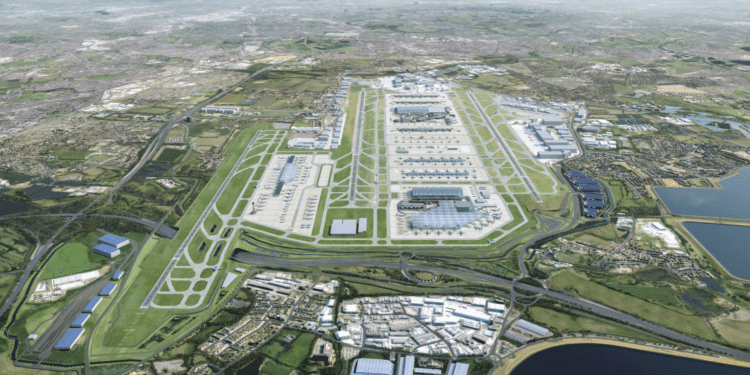

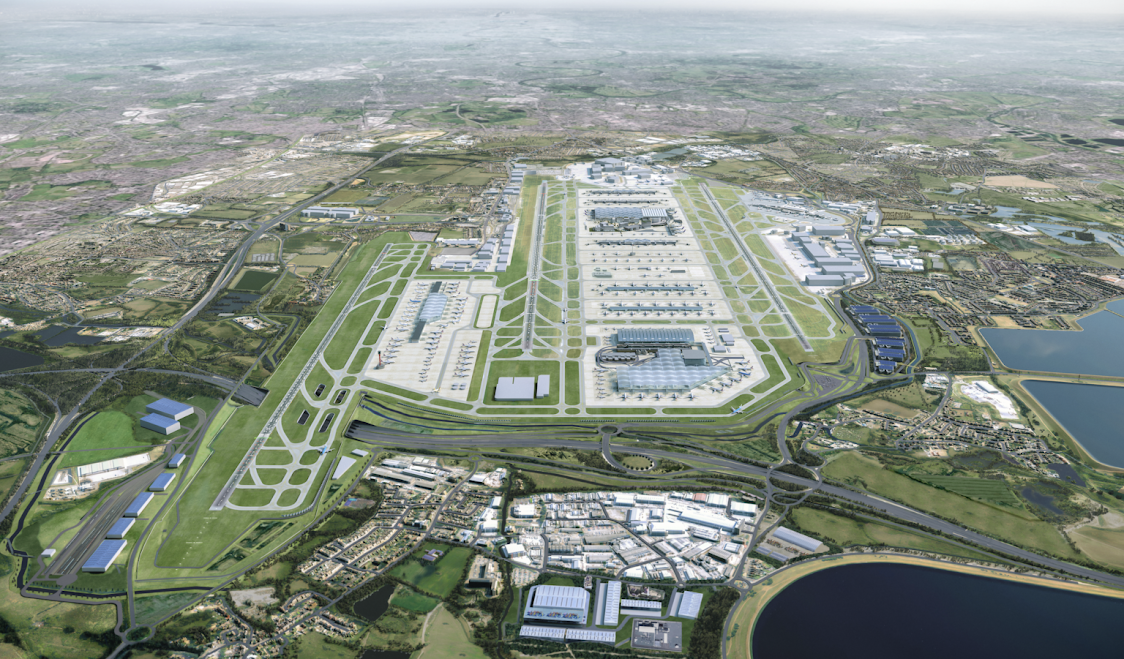
The GMB trade union has called for progress on Heathrow Airport’s proposed third runway, arguing that delays to the project should prompt action on the planning process rather than calls to abandon the expansion.
The union, which represents workers at Heathrow, said the revised timetable for the project should not be interpreted as a reason to cancel the scheme. It described the expansion as one of the UK’s most important infrastructure projects and called for the planning process to move forward.
Heathrow has said it is targeting planning permission by 2029 and expects the new runway to open within a decade of securing approval. That represents a potential delay of several years from the previously stated ambition of having the runway operational by 2035.
Related Post



Warren Kenny, GMB London Regional Secretary, said opponents of the project should not treat the revised timetable as a decision on whether the runway should proceed.
“A project taking longer to build is not a reason not to build it. It’s a reason to start now,” Kenny said, arguing that planning and regulatory processes should be addressed to allow the project to progress.
He added that the expansion could support around 108,000 jobs and generate supply-chain investment across the UK, while calling for the planning framework to be finalised and the project to move towards construction.
According to Heathrow, £293 billion worth of goods passed through the airport in 2025, representing more than a quarter of the UK’s total trade by value. Heathrow data shows that the airport handled approximately 1.59 million tonnes of cargo across those trade flows during the year. The UK Civil Aviation Authority has separately reported that Heathrow accounted for about 26% of the value of all UK trade in 2025.
The airport has positioned additional capacity as important to the UK’s international trade and connectivity. Heathrow’s own expansion proposal states that the planned third runway would increase cargo capacity by 50%, while the wider expansion programme is intended to increase the airport’s overall capacity significantly.
The UK Government has also continued the formal policy process for the expansion. In June 2026, it published a draft Heathrow Expansion National Policy Statement and launched a consultation on the framework that would guide future planning decisions. The Government said it remained on track for a final planning decision in 2029, subject to the required planning and policy processes.
The draft policy framework requires any expansion proposal to address four key areas: economic growth, climate change, air quality and noise. Planning permission has not yet been granted, and Heathrow’s proposal will still have to go through the statutory Development Consent Order process.
Heathrow has said the proposed expansion would be entirely privately financed. The airport estimates that the project could create at least 108,000 new jobs and generate billions of pounds of investment across UK supply chains.
The airport also maintains that expansion is needed to provide additional capacity for airlines and strengthen the UK’s international connectivity. Heathrow currently operates with two runways and has argued that constrained capacity limits opportunities for additional passenger and cargo services.
The GMB’s latest intervention comes as the debate over Heathrow’s future capacity continues, with the planning framework, environmental requirements, economic impact and the timing of construction all remaining key issues in the development of the third-runway proposal.