
The temperature-controlled logistics specialist is adding a second Los Angeles facility, expanding its Philadelphia operation and planning a new Montevideo site as pharmaceutical supply chains become more complex and geographically dispersed.
Envirotainer is expanding its operational footprint across the Americas, investing in additional facilities and capabilities in the United States and Uruguay as pharmaceutical manufacturers and logistics providers look for greater resilience in temperature-sensitive supply chains.
The expansion includes a second facility in Los Angeles, increased capacity in Philadelphia and plans to relocate the company’s Montevideo operation to a new site in October 2027.
Related Post
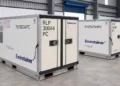


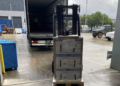
For pharmaceutical shippers, the changes are intended to bring equipment, packaging services and operational expertise closer to key production and distribution markets, reducing the distance between cold-chain resources and the shipments that depend on them.
The move also builds on a broader regionalisation strategy Envirotainer has been developing across the Americas. The company says its objective is to place decision-making and specialist expertise closer to customers while maintaining consistent standards across its global network.
Los Angeles Adds a Second Facility
In Los Angeles, Envirotainer has established a second station to increase local capacity for temperature-controlled cargo services.
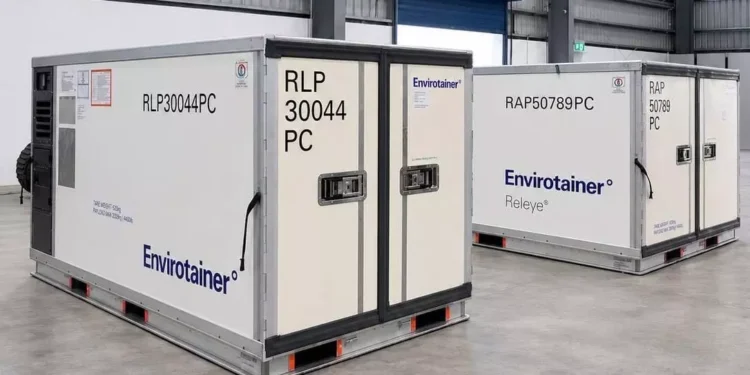
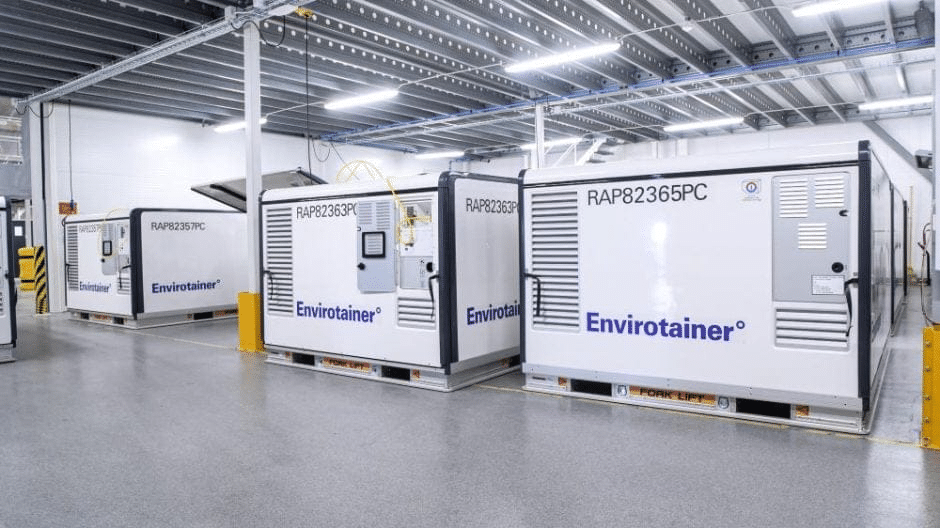
The facility will provide ULD and ProofTainer ground handling and repair services, as well as parcel rental and sales. The additional location gives customers greater access to equipment and support in one of the United States’ major airfreight markets.
Los Angeles has long been an important gateway for pharmaceutical and other high-value cargo moving between North America and international markets. Envirotainer has previously operated a Los Angeles station as part of its US network, and the latest investment expands its ability to support customers locally.
The move is also consistent with the company’s wider shift toward regional operating capability rather than relying solely on a centrally managed network.
Philadelphia Gets More Capacity
Philadelphia is receiving a different form of investment.
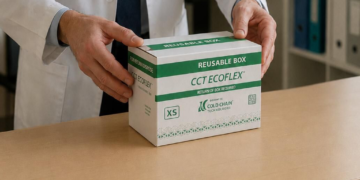
Envirotainer is adding dedicated parcel facilities, warehouse capacity, new equipment and increased safety stockat the location. The aim is to improve fulfilment times and ensure that temperature-controlled packaging is available when customers need it.
The focus on parcel operations reflects the growing importance of smaller and more specialised pharmaceutical shipments alongside conventional palletised air cargo.
For cold-chain providers, availability can be as important as equipment technology. A sophisticated temperature-controlled solution has limited value if the required equipment is not available close to the point of origin when a shipment is ready to move.
Envirotainer’s 2025 sustainability reporting already identified the scaling of US parcel operations in Philadelphia as part of its investment in infrastructure across major pharmaceutical hubs.
Montevideo Set for a New Base
Further south, Envirotainer plans to relocate its Montevideo operation to a new facility in early October 2027.
The company says the new site will strengthen its base for serving customers across Latin America while maintaining the existing service offering.
Unlike the Los Angeles and Philadelphia developments, the Montevideo project is therefore a future relocation rather than an immediate expansion of service. The timing is important as pharmaceutical supply chains across Latin America continue to require reliable access to specialised temperature-controlled equipment and local operational support.
Cold Chain Moves Closer to the Customer
The latest investments reflect a broader change in pharmaceutical logistics.
Temperature-sensitive medicines require more than an aircraft capable of carrying cargo. Packaging, equipment positioning, handling procedures, qualified personnel and contingency capacity all have a role in maintaining the required conditions throughout a shipment.
Envirotainer has been expanding its Americas network for several years. In 2023, the company reported increased container capacity and expanded network capabilities in the region, citing rising demand for pharmaceutical shipments.
It has also previously expanded one-way leasing options between North America, Europe and Asia-Pacific, giving pharmaceutical shippers greater flexibility in moving its temperature-controlled containers between major regions.
The latest investment therefore represents another stage in a longer effort to build a network capable of supporting pharmaceutical trade flows as they change.
Regionalisation Becomes a Supply Chain Strategy
Barbara Morgan, Regional President, Americas at Envirotainer, said the company’s investments are intended to give customers greater confidence that the necessary equipment, capabilities and expertise will be available where they are needed.
That emphasis on local capability is increasingly relevant as pharmaceutical supply chains become less concentrated. Manufacturing, clinical development, distribution and final-market demand can span several continents, creating more complex routing and greater exposure to disruptions.
Envirotainer has been strengthening its regional leadership structure as part of this approach. Morgan was appointed Regional President Americas in 2025, with the company describing the role as part of its effort to deepen local customer engagement and respond more quickly to regional requirements.
Supporting the Next Generation of Pharma Logistics
Aymeric Chandavoine, CEO of Envirotainer, described the Americas as an important region for pharmaceutical manufacturing, distribution and innovation, with customers increasingly seeking partners capable of adapting as supply chains evolve.
The company’s network now spans major pharmaceutical trade lanes and airports globally, while its current corporate information highlights more than 11,000 pallet-sized units and more than 30,000 box and small-parcel units across its fleet.
The Americas investment is therefore less about simply adding physical locations than about increasing the availability of cold-chain resources at strategic points in the pharmaceutical supply network.
For airlines, freight forwarders and pharmaceutical manufacturers, that local availability can provide greater flexibility when routes change, demand moves or urgent shipments need to be accommodated.
Building Resilience Before It Is Needed
Cold-chain resilience is ultimately measured when something goes wrong: when a route changes, demand suddenly increases or a shipment has to be redirected.
Envirotainer’s latest investments are designed around that contingency as much as around normal operations. Additional equipment, warehouse space, safety stock and local expertise give the company more options when pharmaceutical supply chains come under pressure.
With the second Los Angeles station and expanded Philadelphia capabilities now forming part of its Americas network, and Montevideo scheduled for relocation in 2027, Envirotainer is continuing to move toward a more regionally distributed operating model.
For pharmaceutical logistics, the underlying message is straightforward: proximity is becoming part of cold-chain resilience, alongside technology, equipment and operational expertise.