
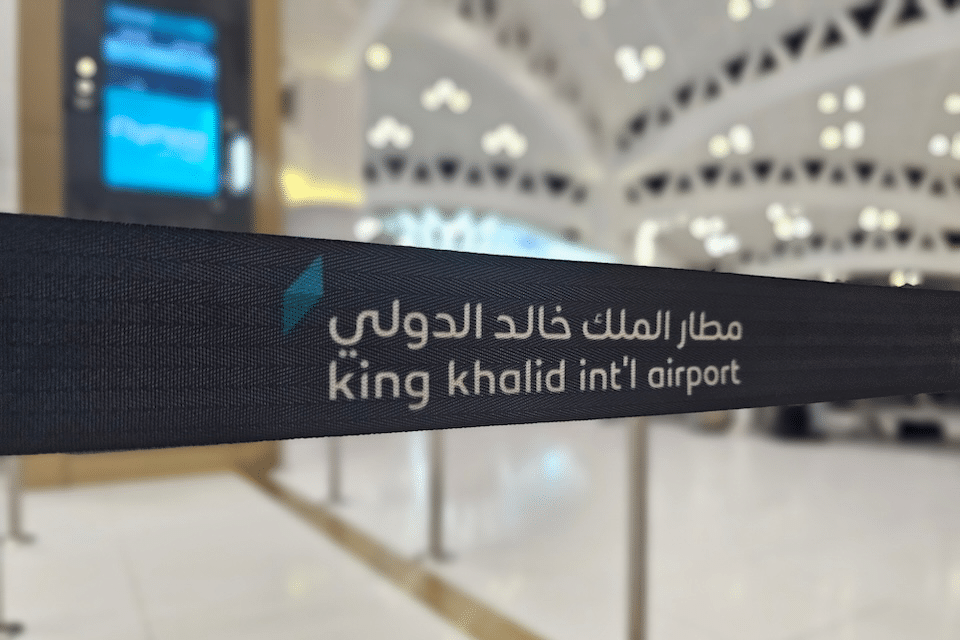
King Khalid International Airport in Riyadh remains closed following repeated missile and drone attacks, disrupting airline operations across Saudi Arabia and raising fresh concerns over regional air cargo connectivity.
Saudi Arabia’s General Authority of Civil Aviation (GACA) has extended the suspension of operations at Riyadh’s King Khalid International Airport as authorities continue damage assessments and safety inspections following attacks on airport infrastructure.
A Notice to Airmen (NOTAM) indicates that the airport will remain closed until 21:00 GMT on 17 October, according to Reuters. The suspension follows a series of attacks over the weekend, including a strike on Saturday, 10 October, that killed 13 people and injured more than 300, followed by a further attack on Sunday that killed one person and injured 11 others. Reuters reported that the latest incidents have triggered widespread flight cancellations and suspensions.
Related Post




The Houthi movement in Yemen has claimed responsibility for attacks on Saudi targets, including aviation infrastructure. Saudi authorities have confirmed the attacks but continue to assess the extent of the damage and the measures required before normal airport operations can resume.
The disruption has also extended beyond Riyadh. GACA confirmed that King Fahd International Airport in Dammam was targeted on 11 October, with damage assessments and safety inspections under way. The authority has not provided a full account of the impact on airport operations.
Airlines suspend services as disruption spreads
The attacks have prompted airlines to cancel or suspend flights to Saudi Arabia, while carriers and aviation authorities reassess operational risks across the region.
According to Reuters, aviation analytics firm Cirium estimated that cancellations had reached 46.4% of all flights across Saudi airports. Several international airlines have suspended services to Riyadh and Dammam, while others have revised schedules or delayed planned route launches.
The disruption presents challenges for air freight operators serving the Saudi market, particularly those relying on Riyadh as a destination or connecting point. Flight suspensions and diversions can affect cargo capacity, shipment transit times and onward connections, although the full impact on freight volumes has not yet been established.
The restrictions may also affect wider air cargo flows between Europe, the Middle East and Asia, depending on the routes airlines select to avoid higher-risk airspace.
European aviation regulator updates airspace warning
The European Union Aviation Safety Agency (EASA) has updated its conflict-zone advisory for Saudi airspace following increased military activity and repeated missile and drone attacks.
In its revised bulletin, dated 9 October, EASA identified heightened risks to civil aircraft from missile and drone activity, air-defence interceptions and falling debris. The agency advised operators to avoid specified portions of Saudi airspace and exercise caution elsewhere in the Jeddah Flight Information Region, supported by current risk assessments and contingency planning.
The US Federal Aviation Administration has also advised US operators to exercise caution when flying to or over Saudi Arabia.
The warnings underscore the operational challenges facing airlines and cargo operators, which must balance network continuity with the safety of aircraft, crews and ground personnel.
Houthi warnings add to uncertainty
The Houthi movement has renewed warnings to airlines, travellers and shipping companies against using Saudi airports and airspace, saying such infrastructure could remain a target. The group has claimed responsibility for several operations involving missiles and drones against Saudi aviation and energy facilities.
These statements represent the group’s claims and threats; the precise circumstances of individual attacks remain subject to assessment by Saudi authorities.
With Riyadh airport’s closure extended and security concerns affecting other Saudi aviation facilities, airlines and freight forwarders face continued uncertainty over schedules, available capacity and routing options. The duration of the disruption will depend on the security situation and the authorities’ assessment of airport readiness.