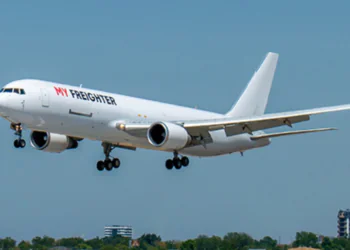

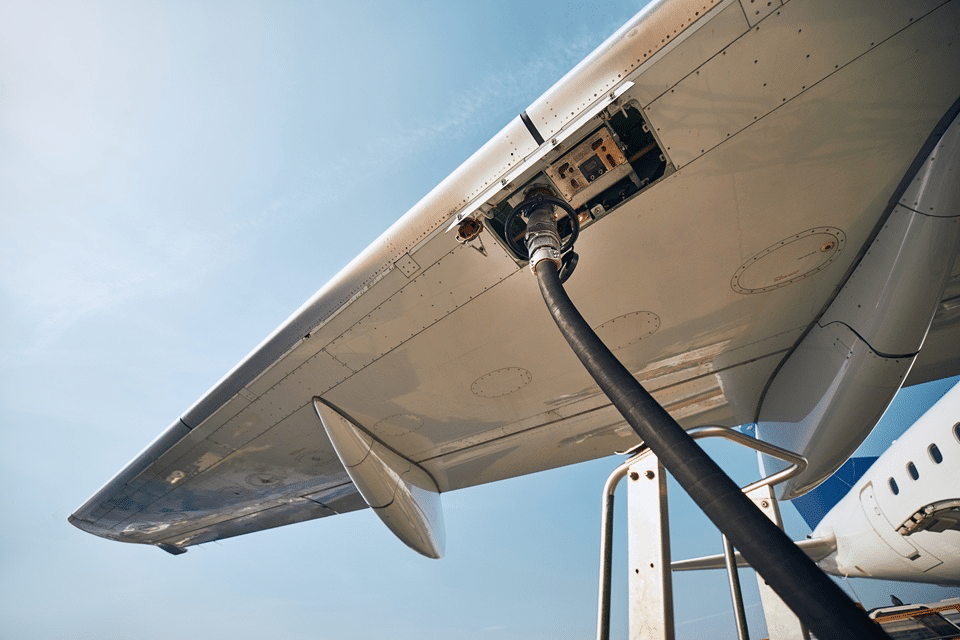
Airport operator Fraport has sought to reassure airlines and cargo operators that Frankfurt Airport is not expected to face a jet fuel supply bottleneck, despite reports of tightening supplies linked to scheduled maintenance on a pipeline serving Germany’s largest aviation hub.
Fraport said the maintenance work had been anticipated and incorporated into operational planning. The operator pointed to alternative supply routes and substantial fuel storage capacity as factors expected to help maintain airport operations during the maintenance period.
“The airport’s operational capability is therefore not affected,” Fraport said, according to Reuters reporting published on 15 October.
Related Post



The reassurance follows reports that Lufthansa has instructed flight crews on selected routes to take on additional fuel at departure airports before flying to Frankfurt. The precaution, known as tankering, involves carrying more fuel than required for a particular flight to reduce or avoid refuelling at the destination airport.
The reported measures reflect concerns about reduced fuel supply capacity while the pipeline undergoes routine maintenance. Extended periods of low water levels on the Rhine have also been cited in reports as a constraint on fuel deliveries by barge.
Lufthansa’s precautionary approach is intended to safeguard operational reliability while supply conditions remain constrained. The airline has not indicated that flight cancellations are expected as a result of the situation.
For the air cargo sector, fuel availability at Frankfurt is particularly important given the airport’s role as a major European freight gateway. Any sustained disruption to jet fuel deliveries could affect airline operating costs, turnaround planning and schedule reliability for both passenger aircraft carrying freight and dedicated freighters.
Tankering can help airlines manage temporary supply limitations, but it can also increase aircraft weight and fuel consumption. The additional fuel must be carried throughout part or all of a flight, potentially affecting operating efficiency. Airlines must therefore balance the precaution against the costs and performance implications of carrying additional fuel.
Fraport’s position is that the scheduled maintenance does not threaten the airport’s operational capability. Nevertheless, Lufthansa’s reported measures highlight the importance of maintaining reliable fuel distribution at major aviation hubs, particularly where pipeline deliveries, inland waterway transport and other supply channels are subject to operational constraints.
The situation remains a supply-management issue rather than a confirmed airport-wide fuel shortage. The duration of the maintenance work and the pace at which normal pipeline capacity is restored will be important factors in determining whether airlines need to continue taking precautionary measures.
For freight operators and logistics providers, the immediate priority will be to monitor developments and assess any implications for fuel costs, flight schedules and cargo capacity at Frankfurt.