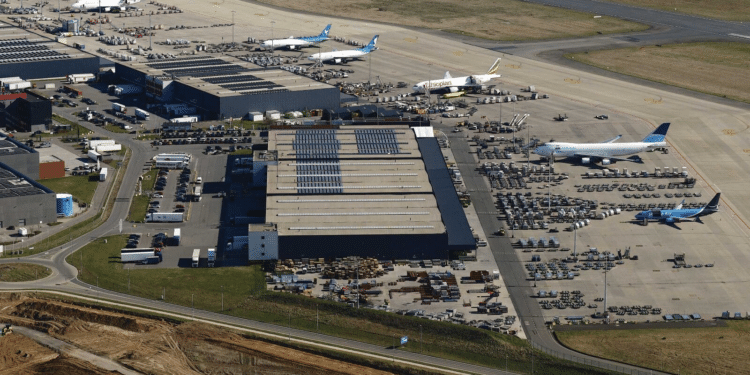

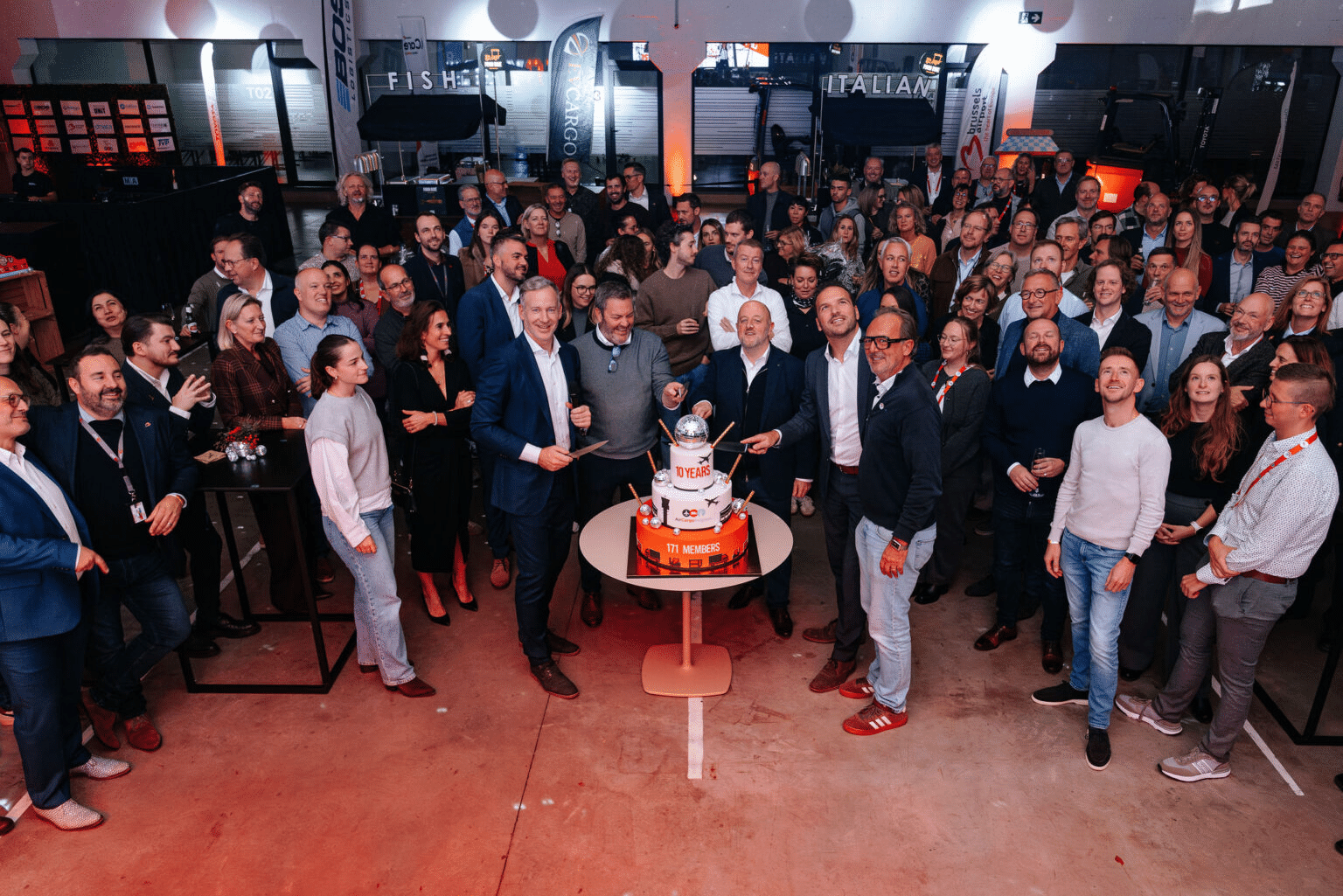
Air Cargo Belgium (ACB) is marking its 10th anniversary, celebrating a decade of collaboration across the airfreight supply chain at Brussels Airport and the development of initiatives designed to improve operational efficiency, digitalisation and specialised cargo handling.
Established in 2016, the non-profit organisation brings together airlines, freight forwarders, ground handlers, logistics providers and other stakeholders to address shared operational challenges and strengthen the airport’s cargo community. It now has more than 170 members, while Brussels Airport handled 795,000 tonnes of freight in 2025, an increase of 8.5% compared with the previous year.
The anniversary highlights how cooperation between companies and public authorities has helped develop Brussels Airport’s cargo ecosystem, with initiatives spanning animal welfare, pharmaceutical logistics, digital cargo processes and regulatory coordination.
Related Post
Geert Aerts, chairman of Air Cargo Belgium, said the community approach strengthens both the role of cargo in the Belgian economy and the position of individual companies operating within the network.
Freek de Witte, director of Air Cargo Belgium, said the organisation’s progress had been driven by practical cooperation rather than strategy alone. Bringing airlines, forwarders, handlers and road transport operators together to resolve shared problems has helped turn collaborative projects into improvements benefiting multiple parts of the supply chain.
Shared initiatives deliver operational improvements
One of the community’s significant developments is the Animal Care & Inspection Center (ACIC), which centralises facilities and expertise for the reception, care and inspection of live animals transported by air.
Developed with investment from Brussels Airport, the facility provides specialised infrastructure intended to support animal welfare and improve handling conditions throughout the transport process.
The cargo community’s ability to coordinate across organisations also proved important during the COVID-19 pandemic. Brussels Airport’s pharmaceutical-handling expertise and established cooperation between industry partners helped support vaccine distribution at a time when reliable temperature-controlled logistics were critical to global health supply chains.
Air Cargo Belgium has also supported digitalisation initiatives designed to improve landside cargo movements. The Digital Green Lane, built on the BRUcloud data-sharing platform, uses digital tools and coordinated processes to improve truck slot booking, cargo information exchange and collection and delivery operations.
By giving participants better visibility of planned movements and reducing unnecessary waiting, the initiative is intended to improve resource planning and make cargo handovers more efficient. The programme also combines technology deployment with training and change management to support adoption across the community.
Another strategic initiative is the Precision Therapy Logistics Gateway, which aims to prepare the airport’s logistics ecosystem for the growing requirements of personalised medicine and advanced therapies. These shipments can demand tightly coordinated handling, specialised processes and reliable information exchange across multiple stakeholders.
Stronger cooperation with regulatory authorities
Beyond operational projects, Air Cargo Belgium has worked to strengthen relationships between the cargo community and government authorities.
Its cooperation with Belgian Customs has developed into a structured partnership covering communication, software testing and other customs-related initiatives affecting airfreight handling at Brussels Airport. The organisation also maintains working relationships with the Belgian Civil Aviation Authority and the Federal Agency for the Safety of the Food Chain.
These links help connect regulatory requirements with operational realities, supporting more coordinated implementation of procedures across the cargo ecosystem.
International partnerships support specialised trade lanes
Air Cargo Belgium and Brussels Airport have also expanded their international engagement through cooperation with cargo hubs including Singapore Changi, Washington, Hyderabad and Shanghai.
The objective is to move beyond general collaboration agreements towards closer alignment of processes and the development of reliable, controlled trade lanes between airports. Such coordination can be particularly valuable for pharmaceutical shipments, where temperature management, handling procedures and information continuity are central to shipment integrity.
A pharmaceutical memorandum of understanding involving Hyderabad reflects the importance of India as a source of pharmaceutical products and the opportunity to strengthen logistics links between the two markets.
A decade of collaboration, with further development ahead
Air Cargo Belgium’s anniversary underscores the role of industry collaboration in addressing challenges that individual companies may struggle to resolve independently.
From digital truck management and specialised animal-handling infrastructure to advanced pharmaceutical logistics and customs cooperation, the organisation’s initiatives demonstrate how coordinated projects can improve performance across multiple stages of the air cargo supply chain.
As cargo flows, regulatory requirements and technology continue to evolve, Air Cargo Belgium intends to build on its community-based model to support more efficient operations and strengthen Brussels Airport’s position as a European airfreight gateway.