
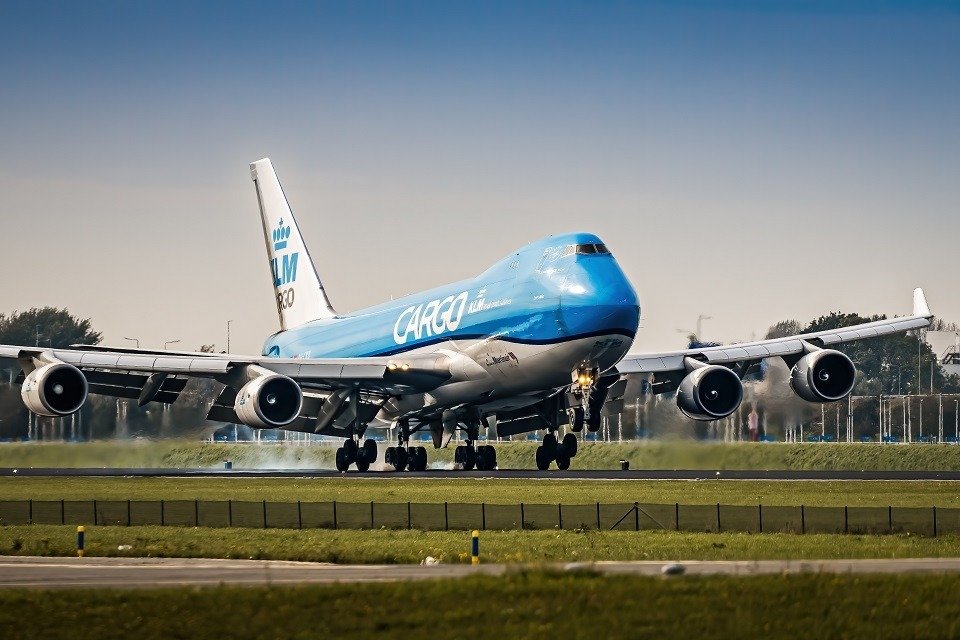
Air France-KLM Martinair Cargo recorded a strong third-quarter performance in 2026, with cargo revenues rising to €677 million and volumes increasing 5% as maritime shipping disruptions, AI-related supply chain demand and limited freighter availability supported air freight demand and yields.
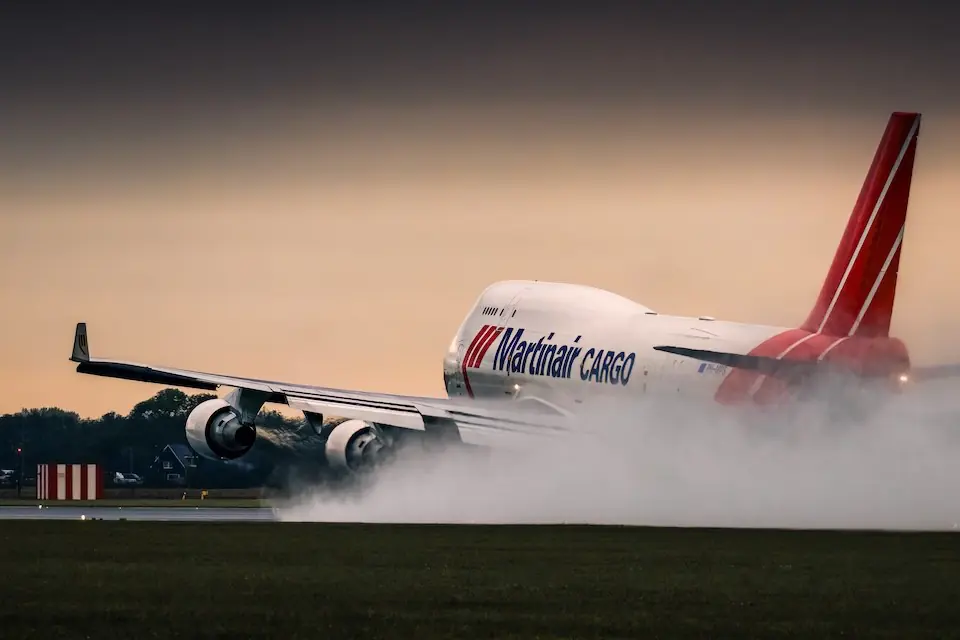
Air France-KLM Martinair Cargo (AFKLMP Cargo) continued to benefit from a shift towards air freight in the third quarter of 2026, as shippers sought alternatives to disrupted maritime supply chains and prioritised the movement of urgent and high-value shipments.
The cargo division reported third-quarter revenues of €677 million, an increase of 25.2% compared with the corresponding period last year. Cargo volumes reached approximately 236,000 tonnes, representing year-on-year growth of 5%.
Related Post


Cargo traffic, measured in revenue tonne-kilometres (RTK), increased by 8% to 1.817 billion RTK, outpacing the 2.3% expansion in available capacity, which reached 3.948 billion available tonne-kilometres (ATK).
The stronger traffic performance pushed the cargo load factor up by 2.4 percentage points to 46%, highlighting the ability of the airline group to generate additional demand without a comparable increase in capacity.
The results reflect a favourable operating environment for air freight, with geopolitical disruptions affecting ocean shipping routes, growing demand associated with artificial intelligence supply chains and continued pressure on available freighter capacity.
Maritime disruptions and AI demand support air freight growth
Air France-KLM attributed its strong cargo performance primarily to the continued shift of certain shipments from ocean to air, particularly goods requiring faster and more dependable transportation.
Disruptions affecting maritime routes around the Suez Canal and Strait of Hormuz encouraged some shippers to move urgent and high-value products by air to minimise delays and maintain supply chain continuity.
At the same time, demand associated with AI supply chains contributed to a tighter air freight market. The movement of technology-related equipment and other high-value shipments created additional opportunities for the group to attract cargo volumes and secure full freighter charter business.
These developments supported cargo yields across the group’s international network, with demand continuing to grow faster than available capacity.
The group also highlighted the contribution of full freighter charters to its commercial performance, providing additional opportunities to capture demand in a market characterised by restricted capacity.
However, scheduled and unscheduled maintenance limited the availability of freighter aircraft during the quarter, preventing a more substantial expansion of cargo capacity.
E-commerce weakness weighs on Asia-Europe shipments
Despite the overall improvement, not all market segments experienced similar growth.
Air France-KLM reported a sharp decline in e-commerce shipments originating in Asia following the introduction of taxation on small parcels in July 2026.
The regulatory change affected a segment that had previously generated significant volumes for international air cargo operators, particularly on Asia-Europe routes.
Nevertheless, the decline in e-commerce shipments was more than offset by stronger demand from other cargo categories, including AI-related supply chains and urgent shipments diverted from maritime transportation.
The results underline the changing composition of international air freight demand, with technology-related shipments and supply chain resilience increasingly influencing airline cargo performance.
Cargo growth strengthens the group’s third-quarter performance
The cargo division’s results contributed to the broader financial performance of Air France-KLM Group.
For the third quarter of 2026, group revenues increased by 7.6% to approximately €9.9 billion, while net income rose by 22.1% to €938 million.
Cargo remained an important contributor to the group’s international operations, supported by its combination of passenger aircraft belly capacity and dedicated freighter services.
The group operates its cargo activities under the Air France KLM Martinair Cargo brand, connecting customers to more than 300 destinations through the combined networks of its three airlines.
Its two principal cargo hubs are Paris-Charles de Gaulle and Amsterdam Airport Schiphol.
KLM consolidates cargo handling operations at Schiphol
The strong cargo performance coincided with a separate announcement by KLM outlining plans to consolidate its cargo handling activities at its own warehouse at Amsterdam Airport Schiphol.
Under the restructuring initiative, KLM Cargo intends to handle all freight carried on both passenger aircraft and dedicated freighter services within its own cargo facility.
The move forms part of a broader programme aimed at improving productivity, simplifying operations and strengthening the airline’s financial performance.
According to KLM, consolidating cargo handling at its own warehouse will help prepare the business for a new cargo terminal scheduled for completion in 2035.
The initiative is also intended to strengthen Schiphol’s position as a cargo transfer hub by enabling KLM to attract additional connecting freight through the airport.
The airline plans to accommodate higher cargo volumes through more efficient processes, increased automation and more flexible deployment of employees, rather than relying on additional recruitment.
The announcement marks an important development in KLM’s cargo handling strategy, particularly given its existing relationship with external ground handling providers.
In July 2024, Menzies Aviation announced a five-year agreement to provide cargo warehouse and ramp handling services for KLM and Martinair freighter operations at Schiphol.
The latest consolidation plans indicate a change in the organisation of KLM’s cargo handling activities as the airline prepares for its future terminal infrastructure.
Capacity constraints and changing trade flows shape the outlook
Air France-KLM’s third-quarter performance highlights the importance of capacity management in an air freight market influenced by geopolitical developments and changing global supply chain requirements.
While maritime disruption has encouraged some shippers to use air transportation, demand from AI-related industries has added another source of growth, supporting freight rates and commercial yields.
At the same time, the decline in Asian e-commerce shipments demonstrates how regulatory developments can quickly alter established cargo flows.
Limited freighter availability, partly due to maintenance requirements, has also reinforced the importance of optimising existing aircraft capacity.
For Air France-KLM, the combination of stronger cargo demand, improved load factors and higher revenues provides a positive indication of the division’s commercial resilience.
The planned consolidation of KLM’s handling operations at Schiphol adds another dimension to the group’s longer-term strategy, linking stronger cargo performance with infrastructure development and operational efficiency.
As international trade patterns continue to evolve, the group’s ability to balance capacity, specialised handling requirements and network connectivity will remain central to sustaining growth across its global air cargo business.