
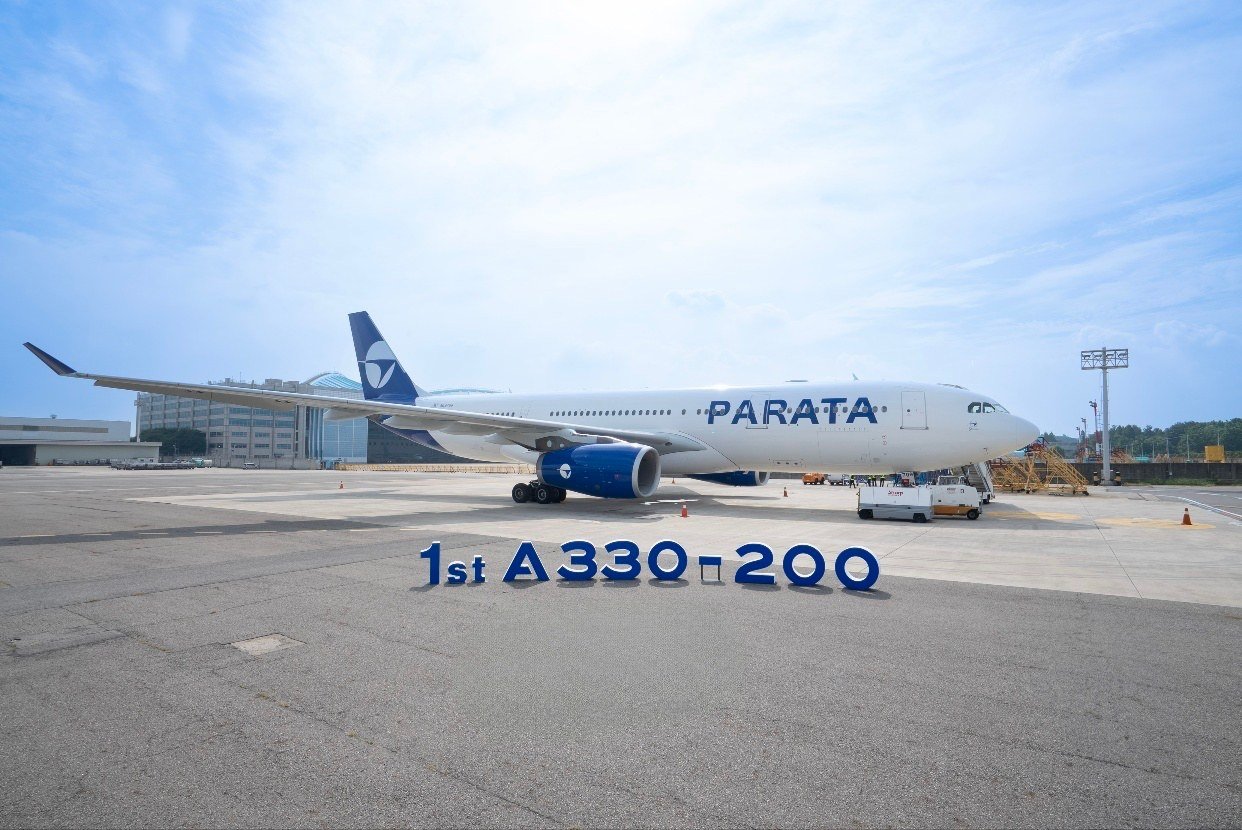
- Parata Air (WE) is entering the China market with a new Shenzhen–Incheon service on the Airbus A330, opening belly-hold capacity on a direct South China–Korea lane.
- WE854 departs Shenzhen at 03:30 and arrives Incheon at 08:05 on Tue, Wed, Fri and Sat. The matching return, WE853, links Incheon back to Shenzhen. Service starts with the first Incheon departure on 9 November and the first Shenzhen departure on 10 November.
- Shenzhen–Incheon is its first scheduled China gateway, with the airline reporting itself to be positioning for growth on one of Asia’s busiest air-freight trades.
South Korean carrier launches its first scheduled China route with four weekly Airbus A330-200 flights, creating additional belly-hold cargo capacity between Shenzhen and Incheon. Extrans Air has been appointed cargo General Sales Agent in Shenzhen.
South Korean airline Parata Air is expanding its international network with the launch of a new scheduled service between Shenzhen, China, and Incheon, South Korea, marking its entry into the Chinese market.
The new route, operated using Airbus A330-200 aircraft, will provide additional passenger aircraft belly-hold capacity on one of Asia’s important regional trade corridors. The service is expected to support shipments between the Pearl River Delta, one of China’s leading manufacturing and technology centres, and South Korea.
Related Post

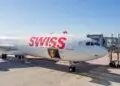

Operations are scheduled to begin on 9 November 2026, with the inaugural departure from Incheon to Shenzhen, followed by the first Shenzhen–Incheon departure on 10 November. The airline plans to operate four flights weekly.
Four weekly flights connect Shenzhen and Incheon
The Shenzhen–Incheon service will operate under flight number WE854, departing Shenzhen at 03:30 and arriving at Incheon at approximately 08:05. The published operating days are Tuesday, Wednesday, Friday and Saturday.
The return service, WE853, connects Incheon with Shenzhen, providing a direct air link between the two major business and industrial centres.
The overnight departure from Shenzhen and early-morning arrival in South Korea offer freight forwarders an additional option for moving time-sensitive shipments across the corridor.
The aircraft’s belly-hold capacity is expected to accommodate a range of commodities, including electronics, fashion products, automotive components and general cargo, subject to aircraft capacity, cargo acceptance requirements and booking availability.
Additional opportunities for regional air cargo
Shenzhen is a major manufacturing, technology and export hub in southern China, with extensive supply chains serving international markets. Its industrial base generates demand for the movement of electronics, precision components, consumer products and other time-sensitive shipments.
The new connection provides freight forwarders with another passenger-aircraft option for transporting cargo to South Korea, while offering shippers access to belly capacity on a scheduled service.
For Parata Air, the route represents an important step in expanding its regional presence and developing cargo opportunities alongside its passenger network.
The airline has been positioning itself for growth in the Asian market, with the Shenzhen route becoming its first scheduled gateway in China.
Extrans Air appointed cargo GSA in Shenzhen
Extrans Air has been identified as Parata Air’s cargo General Sales Agent (GSA) in Shenzhen.
The appointment provides a local commercial contact for freight forwarders seeking cargo space and booking information on the new service.
With the introduction of the Shenzhen–Incheon connection, Parata Air is adding capacity to an important regional trade lane while strengthening its position in the South Korean and wider Asian aviation markets.
The service also offers freight forwarders another option for supporting supply chains connecting China’s manufacturing sector with South Korea’s industrial and commercial markets.
Strengthening the China–South Korea air cargo link
The launch comes as airlines continue to develop connectivity between major Asian manufacturing centres and regional distribution hubs.
Although the new service is primarily a passenger operation, its Airbus A330-200 aircraft will provide additional belly-hold capacity for cargo customers. This distinction is important for freight forwarders planning shipments, as available cargo space will depend on passenger loads, baggage requirements and operational restrictions.
Parata Air’s entry into Shenzhen therefore adds another scheduled option to the China–South Korea air cargo market, with potential benefits for shippers requiring regular regional connectivity.