
Freight forwarders are warning of continued shipment delays at Bangkok’s Suvarnabhumi Airport as cargo handlers struggle to clear accumulated backlogs, with disruption now affecting both import and export operations amid rising year-end peak-season volumes.
Cargo operations at Thailand’s main international airport remain severely congested following widespread flooding in late September 2026, which disrupted staffing and warehouse activities.
The situation initially deteriorated when flooding across Bangkok prevented a significant number of employees from reaching Suvarnabhumi Airport. The resulting staff shortages affected cargo handling, shipment deliveries and the transfer of freight to aircraft.
Related Post

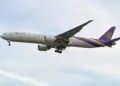


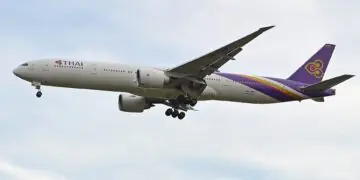
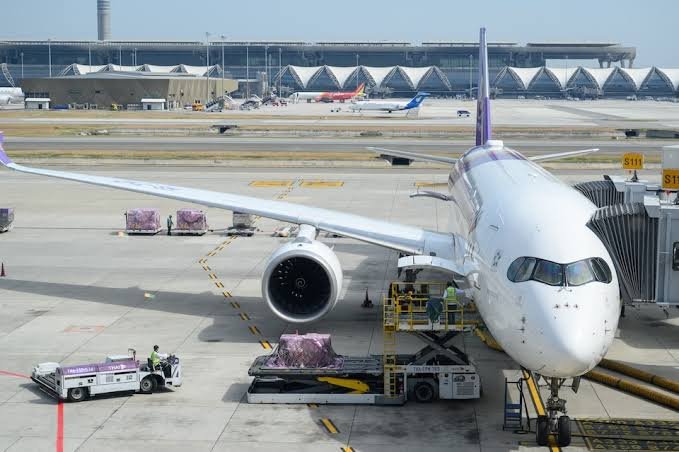
Thai Airways temporarily suspended inbound, outbound and transit cargo acceptance at its cargo terminal from 1–6 October to manage the disruption and address the growing backlog.
Although operations subsequently resumed, accumulated shipments have continued to strain warehouse capacity and handling resources.
In its latest operational update, freight forwarder Dimerco reported that the Thai Airways cargo terminal was still working through import backlogs accumulated in September. The disruption has now extended to export shipments as increasing seasonal volumes place additional pressure on airport handling capacity.
Reports indicate that more than 1,000 cargo lots remain outstanding, with approximately 700–800 pallets awaiting breakdown. Large volumes of inbound freight are still occupying unit load devices (ULDs), restricting the availability of equipment required to process outbound shipments.
The congestion has also exposed weaknesses in cargo tracking and warehouse management systems. Difficulties identifying shipment storage locations have made it harder for warehouse personnel to locate consignments, complete release procedures and arrange customer collections.
Airlines and freight forwarders have responded with temporary booking restrictions and adjustments to cargo acceptance procedures to ease pressure on the affected facilities.
According to industry reports, some carriers have restricted Bangkok-bound shipments, while others have favoured cargo transported in intact unit load devices that can be released without requiring additional breakdown operations.
The disruption is also affecting export schedules, with some shipments reportedly being rolled to flights two or three days later than originally booked.
While operations at Bangkok Flight Services (BFS) have shown signs of improvement, truck queues and handling delays continue to affect cargo movements.
Thai Airways has introduced measures to address the backlog, including additional personnel, handling equipment and improvements to shipment-location tracking. The airline is also working with Airports of Thailand (AOT) to identify additional warehouse capacity and improve cargo processing.
The Thai Airfreight Forwarders Association (TAFA) has called for better communication, more accurate shipment-status information and improved coordination between airlines, handlers and freight agents to accelerate cargo clearance.
With the year-end peak season adding further pressure to regional air freight networks, forwarders are advising shippers to allow additional lead time when arranging shipments through Bangkok and to confirm cargo acceptance and handling arrangements with their carriers before dispatch.
The continuing congestion highlights the importance of efficient warehouse management, accurate cargo visibility and sufficient handling capacity in maintaining the reliability of major international air freight gateways.