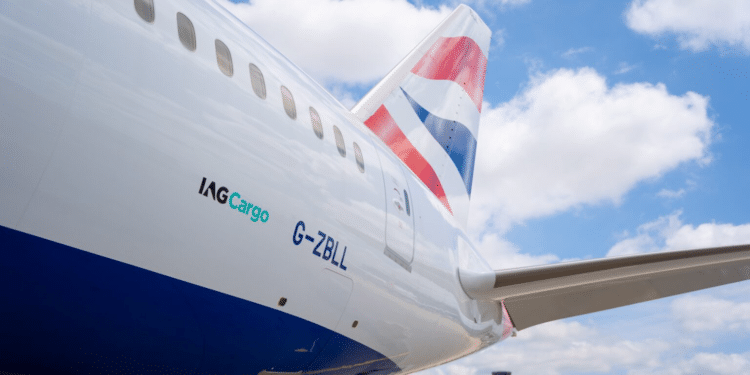

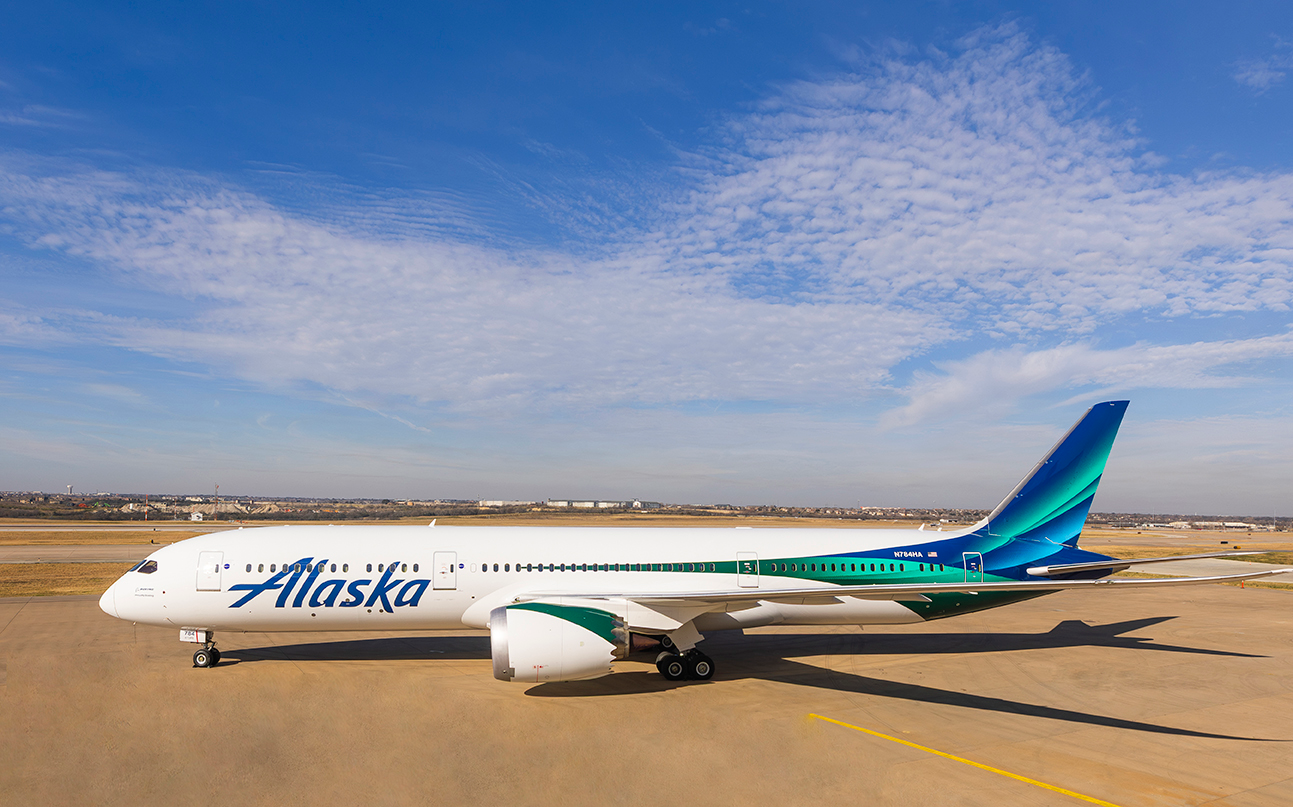
Alaska Airlines has launched a new daily cargo service between London Heathrow and Seattle, marking a significant expansion of the carrier’s international freight network and opening a new transatlantic trade corridor linking the United Kingdom with the U.S. Pacific Northwest, Asia and Alaska.
The year-round service commenced on May 21 and is being operated using Boeing 787-9 aircraft, strengthening Seattle’s growing role as a strategic international cargo gateway for the airline. The launch represents another major step in Alaska’s long-term expansion strategy as it seeks to build Seattle into a larger global hub for both passenger and cargo operations.
The airline said the new London route enhances connectivity for cargo moving between Europe and key markets across North America and Asia, while also creating access to remote destinations in Alaska and Hawai‘i that are not widely served by other carriers.
Related Post



Seattle currently connects nonstop to more than 100 destinations through Alaska’s network, including daily widebody operations to Tokyo Narita, Seoul Incheon and Honolulu, alongside freighter services across Alaska. Multiple daily services between Seattle and Honolulu also provide cargo connectivity onwards to Sydney, Osaka and Tokyo Haneda.
Building a Global Cargo Gateway Through Seattle
The London Heathrow launch follows the recent introduction of Alaska Airlines’ Seattle–Rome service in April, which the airline said has already begun generating diverse cargo flows between Europe and the Pacific Northwest.
According to the carrier, exports from Seattle to Europe have included Pacific Northwest seafood products such as clams shipped to Italy, while imports into Seattle from Europe have featured espresso machines and other consumer products. Freight arriving from Europe is also being distributed onwards to major West Coast markets including Los Angeles, San Francisco and Vancouver.
Ian Morgan, Vice President of Cargo at Alaska Airlines, said the expansion reflects the carrier’s growing role within international supply chains and its ability to bridge cargo flows between Asia, North America and Europe through Seattle.
“We are excited for our customers to see where we fit into the global supply chain,” Morgan said. “With this expansion, we can connect from Japan or South Korea to Europe via Seattle while still serving cargo needs throughout the West Coast and more remote places like Hawai‘i and communities in the state of Alaska that no one else can serve like we can.”
The airline’s broader long-term strategy includes operating at least 12 long-haul international destinations from Seattle by 2030, while expanding its overall fleet to approximately 550 aircraft by 2035, including additional widebody aircraft capable of supporting further international cargo growth.
Diverse Commodity Demand Emerging from U.K. Market
Alaska Air Cargo said freight forwarders in the United Kingdom have already shown strong interest in the new service, particularly for shipments involving seafood, automotive components, motorcycles and products associated with the health and wellness sector.
Cargo sales and services in the U.K. market are being managed by Wexco Cargo GSSA, which said the route is attracting attention due to Alaska’s extensive domestic and regional network connectivity beyond Seattle.
Des Vertannes, Managing Director of Wexco Cargo GSSA, noted that the airline’s broad network reach is creating opportunities for a wide variety of cargo commodities moving between Europe and North America.
“We are seeing enquiries for a diverse set of commodities, courtesy of Alaska’s wide cargo network, which has been well received by the local market,” Vertannes said. “The daily schedule from London into Seattle is key, as it will organically develop the hub into a truly global gateway.”
Industry observers note that Seattle’s location provides strategic advantages for transpacific and transatlantic cargo flows, particularly for technology, e-commerce, perishables and high-value industrial shipments requiring rapid onward distribution across North America and Asia.
World Cup Logistics Could Create Niche Cargo Opportunities
The carrier also sees potential growth opportunities tied to major international sporting and media events, particularly with Seattle serving as one of the host cities for this summer’s FIFA World Cup tournament activities.
Vertannes highlighted potential demand for broadcast and production equipment moving from the United Kingdom into Seattle ahead of the event.
“One of the more interesting profiles brought into scope with the combination of the launch timing and the fact Seattle is home to one of the host stadiums for this summer’s World Cup will be the import of studio, television and video equipment from the U.K.,” he said. “An exciting potential niche to start.”
The movement of media and broadcasting equipment has become an increasingly specialised segment within the air cargo industry, particularly around major international sporting events where rapid deployment, secure handling and time-critical delivery are essential.
Expanding Role in International Cargo Markets
Alaska Air Cargo’s latest expansion signals the airline’s increasing ambition to compete more actively in long-haul international freight markets while leveraging Seattle as a central connecting hub between Asia, Europe and North America.
The addition of London Heathrow — one of the world’s busiest international cargo gateways — provides the carrier with access to a major European logistics market while supporting growing trade links between the United Kingdom and the U.S. West Coast.
As global supply chains continue to diversify and shippers seek alternative routings with strong regional connectivity, Alaska’s integrated network model combining widebody international operations with extensive domestic reach could position the airline for further cargo growth in the years ahead.