
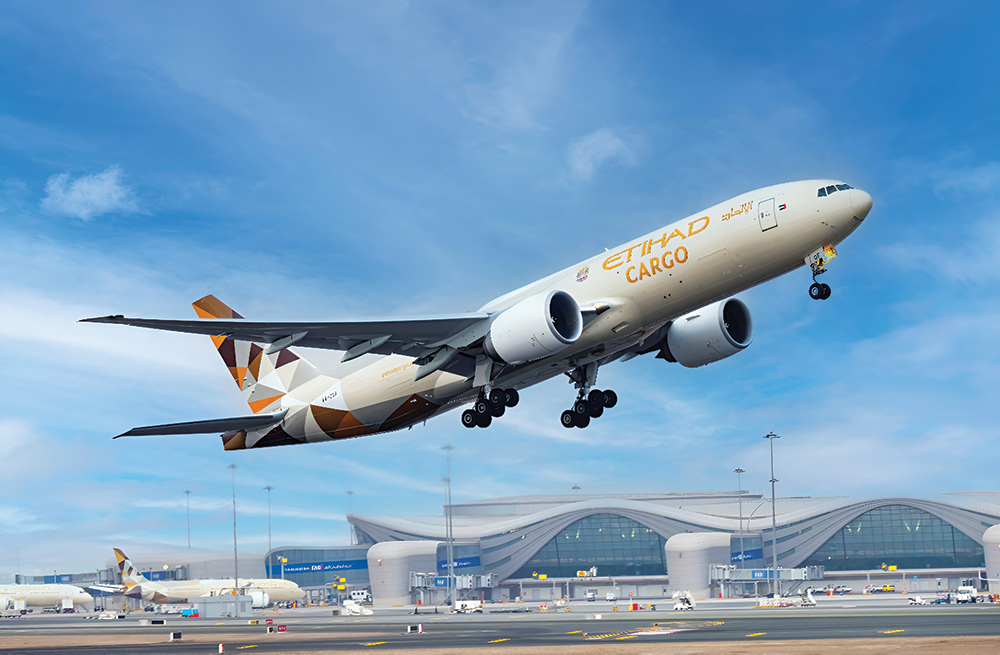
Etihad Airways is set to launch a new scheduled service to Dhaka, Bangladesh, from 26 June 2026, reinforcing growing trade and cargo flows between the United Arab Emirates and one of South Asia’s fastest-expanding export markets.
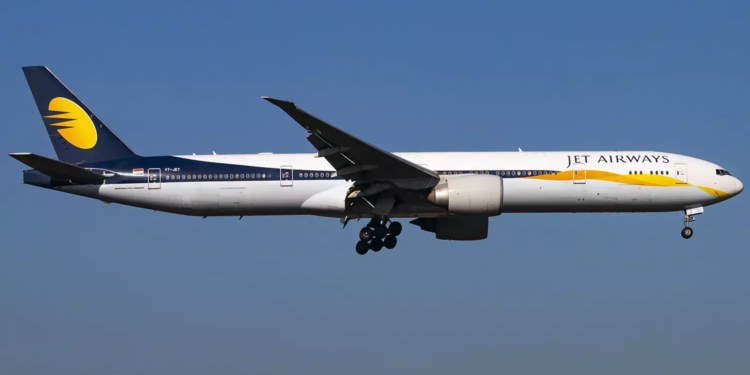
The Abu Dhabi-based carrier will operate four weekly flights on the Abu Dhabi–Dhaka route, using Boeing 777 aircraft that provide substantial bellyhold cargo capacity alongside passenger operations. The new service is expected to play a key role in strengthening logistics links between Bangladesh’s export-driven economy and global markets via Etihad’s Abu Dhabi hub.
Strengthening a key South Asia trade corridor
The introduction of the Dhaka route reflects sustained demand for both passenger and cargo capacity between the UAE and Bangladesh, a corridor heavily supported by labour mobility, apparel exports and rising consumer trade flows.
With Bangladesh continuing to expand its position as a global hub for ready-made garments, textiles and light manufacturing exports, the additional widebody capacity is expected to ease pressure on existing cargo routes and provide improved connectivity to Europe, the Middle East and North America through Abu Dhabi.
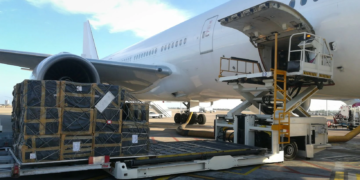
The Boeing 777 deployment will enable increased uplift for general cargo, time-sensitive shipments and high-volume export consignments, particularly in the apparel and perishables segments.
Cargo uplift through Abu Dhabi hub
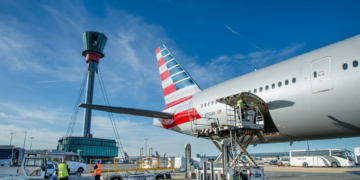
Etihad’s hub-and-spoke model at Abu Dhabi International Airport will allow cargo originating in Dhaka to be consolidated and redistributed across the airline’s global network. The additional frequencies are expected to improve transit times and provide exporters with greater flexibility in routing options.
The airline has indicated that the service will be designed to support both passenger and freight demand, with cargo playing a significant role in overall route economics.
Strategic network expansion aligned with demand growth
Etihad Airways Chief Executive Officer Antonoaldo Neves highlighted Dhaka as a strategically important market, noting strong demand fundamentals across both passenger and cargo segments. He added that the new route reflects the airline’s broader strategy of deploying capacity where demand growth is strongest, while strengthening trade connectivity across key emerging markets.
The addition of Dhaka forms part of Etihad’s wider network expansion strategy, as the carrier continues to scale operations in line with recovery in global trade flows and increasing demand from South and Southeast Asia.
Supporting Bangladesh’s export growth
The new service is expected to provide additional support for Bangladesh’s export economy by improving access to international markets and increasing the reliability of air freight capacity on a critical trade corridor.
Industry stakeholders anticipate that improved frequency and widebody lift will help reduce congestion on existing routes while enhancing supply chain efficiency for exporters operating in time-sensitive sectors.
As global supply chains continue to shift toward greater resilience and diversification, direct long-haul connectivity between Dhaka and major international hubs such as Abu Dhabi is expected to play an increasingly important role in sustaining export competitiveness.