
Specialized art logistics operation underscores the critical role of air cargo in safeguarding cultural heritage and transporting high-value masterpieces across continents
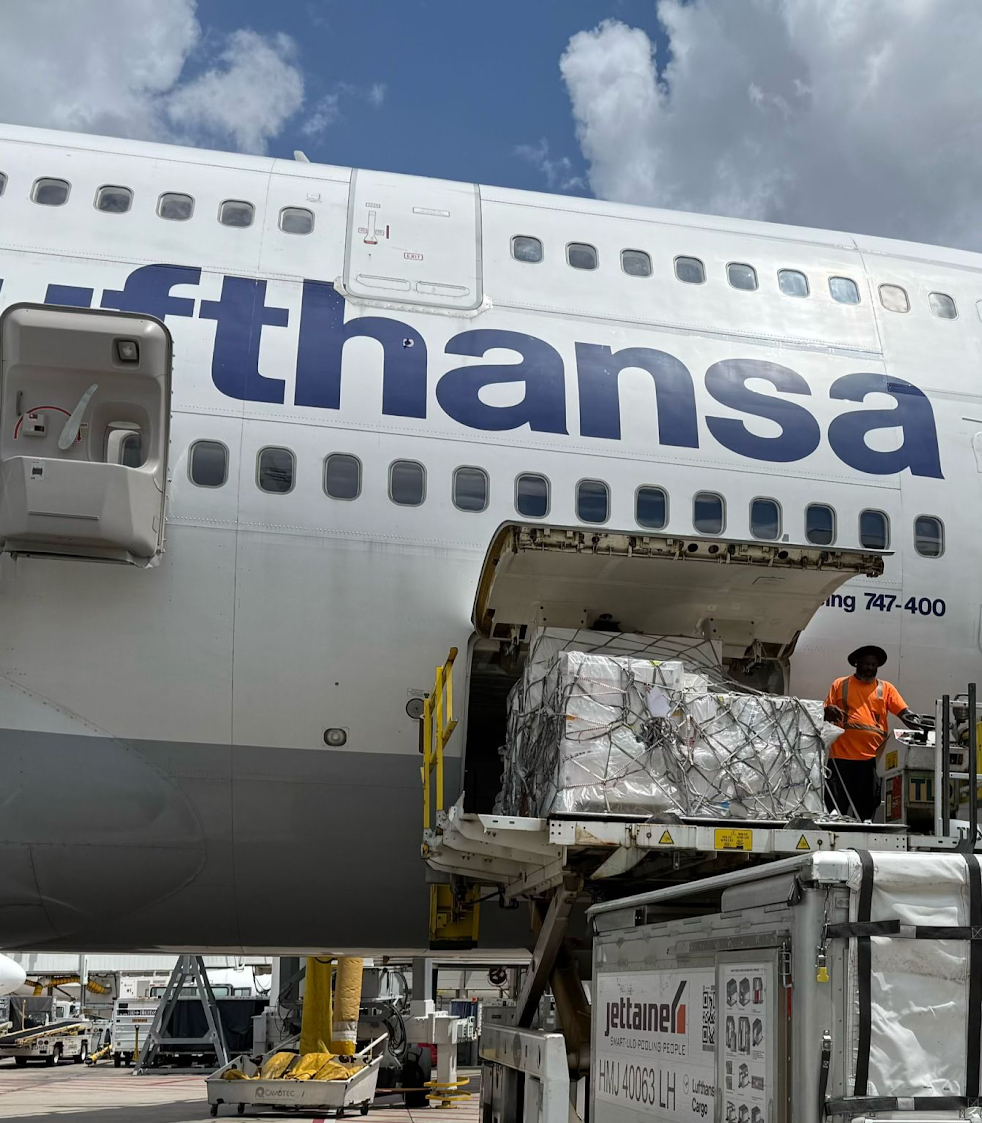
Lufthansa Cargo has once again demonstrated the capabilities of specialized air freight logistics by transporting an invaluable collection of modern art masterpieces from Berlin’s renowned Museum Berggruen to the United States for a major international exhibition in Houston.
The shipment supported the opening of “Picasso–Klee–Matisse: Masterpieces from the Museum Berggruen” at The Museum of Fine Arts, Houston, one of the most significant exhibitions of European modern art to be presented in the United States this year. The exhibition, which opened to the public on May 20, features more than 95 paintings, watercolours, drawings and sculptures from the celebrated German collection.
Related Post
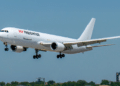

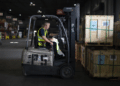

The project highlights the increasingly important role of specialized air cargo providers in facilitating the global movement of cultural treasures, where precision handling, security, environmental control and risk management are as critical as transportation itself.
Transporting Cultural Heritage Across Continents
Moving internationally recognized artworks requires far more than conventional freight services. Every shipment involves meticulous planning, stringent security measures and carefully controlled handling procedures designed to preserve the integrity of irreplaceable cultural assets.
Lufthansa Cargo was selected to manage the transportation of the collection following its successful involvement in previous international movements of Museum Berggruen artworks, including exhibitions staged during the museum’s global tour initiatives in 2024.
The latest transatlantic operation involved transporting a diverse collection of works created by some of the most influential artists of the twentieth century, including Pablo Picasso, Paul Klee and Henri Matisse. The artworks represent a significant portion of Museum Berggruen’s collection and offer American audiences a rare opportunity to experience one of Germany’s most important holdings of modern art.
For air cargo specialists, shipments of this nature demand highly coordinated logistics processes that extend well beyond standard freight handling procedures.
Precision Logistics for High-Value Art Cargo
The transportation of fine art is among the most demanding sectors within the specialized logistics industry. Artworks often require customized packaging, climate-controlled environments, vibration protection, continuous monitoring and strict chain-of-custody procedures throughout transit.
Lufthansa Cargo’s dedicated handling teams worked closely with international art logistics specialist Hasenkamp and Museum Berggruen representatives to ensure the safe movement of every piece from Berlin to Houston.
From collection and packing through airport handling, aircraft loading, international transportation and final delivery, each stage of the journey was managed under carefully controlled conditions designed to protect the artworks from physical damage, environmental fluctuations and security risks.
Industry experts note that even minor variations in temperature, humidity or handling conditions can pose significant risks to fragile paintings, sculptures and historical artefacts, making specialized air cargo expertise essential for such projects.
Growing Importance of Art Logistics in Air Cargo
The global art market has become an increasingly important niche segment for the air cargo industry. Museums, galleries, auction houses and private collectors regularly rely on specialized logistics providers to transport valuable collections for exhibitions, acquisitions and international cultural exchanges.
As museums continue to expand international collaboration and touring exhibitions, demand for secure, temperature-controlled and highly customized transportation solutions continues to rise.
For cargo carriers, art logistics represents a premium market segment that requires advanced operational capabilities, highly trained personnel and specialized infrastructure.
Lufthansa Cargo has invested significantly in this sector, offering tailored solutions for valuable and sensitive shipments ranging from fine art and antiques to luxury goods, scientific equipment and other high-value commodities.
Supporting Global Cultural Exchange
Beyond its logistical complexity, the transportation of Museum Berggruen’s collection reflects the broader role air cargo plays in supporting cultural exchange and international collaboration.
Exhibitions such as “Picasso–Klee–Matisse: Masterpieces from the Museum Berggruen” allow institutions to share important cultural assets with global audiences while strengthening relationships between museums and cultural organizations worldwide.
The successful movement of these artworks demonstrates how modern cargo networks enable museums to overcome geographical barriers and bring world-class collections to new audiences.
According to Lufthansa Cargo, the artworks arrived safely in Houston following careful handling by its specialist teams, reinforcing the trust placed in the carrier by museums and cultural institutions handling some of the world’s most valuable and irreplaceable objects.
Beyond Logistics: Protecting Cultural Value
For carriers operating within the art logistics sector, success is measured not only by operational performance but also by the ability to preserve cultural heritage.
Every shipment represents decades, and often centuries, of artistic achievement, historical significance and cultural value. As a result, specialized cargo providers must balance efficiency with an uncompromising commitment to preservation and security.
The Museum Berggruen project serves as another example of how air cargo continues to facilitate global cultural engagement while supporting the safe movement of some of the world’s most treasured works of art.
As international museum collaborations expand and demand for traveling exhibitions continues to grow, specialized air cargo solutions will remain an indispensable component of the global cultural ecosystem, ensuring that masterpieces can be shared across borders while remaining protected for future generations.