
Texel Air Australasia has become one of the first dedicated cargo airlines to establish operations at Western Sydney International (Nancy-Bird Walton) Airport (WSI), signing an agreement to operate charter air freight services from the airport’s new 24-hour Cargo Precinct ahead of the commencement of commercial freight operations later this month.
The move marks another milestone in the development of Australia’s newest international airport, with the first scheduled freighter services set to begin on 26 July 2026—almost three months before the airport welcomes its first passenger flight on 25 October 2026. The timeline and cargo precinct details align with official announcements from Western Sydney International Airport and participating cargo operators.
Texel Air strengthens presence in Australia’s growing freight market
Under the agreement, Texel Air Australasia will operate charter cargo services from WSI’s purpose-built freight precinct, supporting scheduled freight, aircraft-on-demand charters and time-critical logistics solutions across domestic and international markets.
Related Post


The airline joins an expanding cargo community at the airport that already includes Qantas Freight, Menzies Aviationand dnata Cargo, positioning Western Sydney International as a major new logistics gateway for Australia.
Texel Air currently operates a fleet of Boeing 737-800 Boeing Converted Freighters (BCF), serving domestic freight requirements while also providing international charter capabilities for a broad range of cargo sectors.
Founder and Chairman John Chisholm said the new airport aligns closely with the airline’s long-term growth strategy.
According to Chisholm, unrestricted 24-hour operations will provide significantly greater operational flexibility than Australia’s traditional curfew-constrained airports, enabling faster aircraft utilisation and improving supply chain resilience for customers across the region.
Curfew-free airport designed for round-the-clock logistics
Unlike Sydney Kingsford Smith Airport, Western Sydney International has been developed as a fully operational 24-hour international airport, allowing unrestricted freight movements throughout the day and night.
Simon Hickey, Chief Executive Officer of Western Sydney International, said the addition of Texel Air further strengthens the airport’s growing cargo ecosystem as preparations continue for the launch of commercial operations.
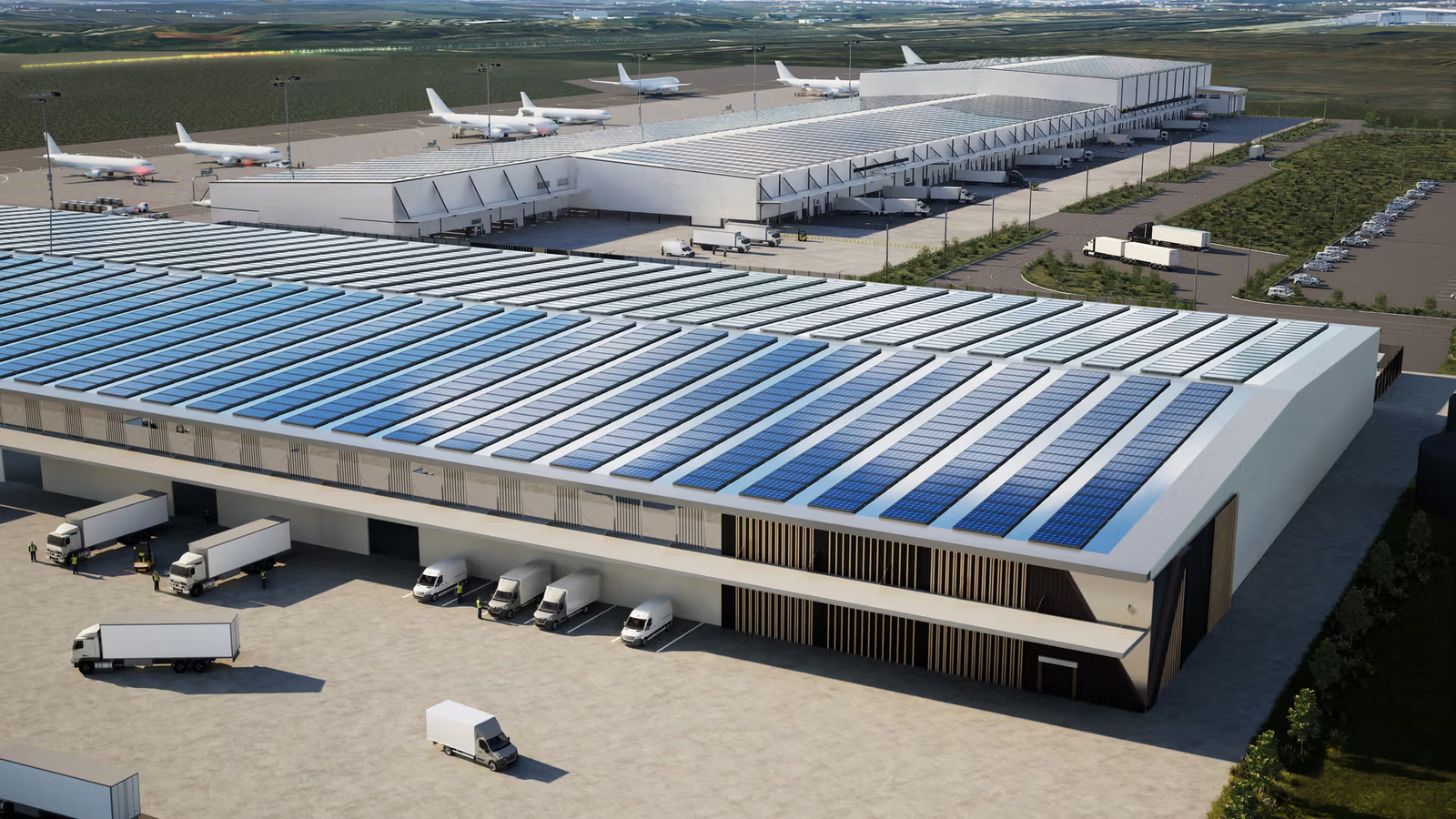
The airport’s integrated Cargo Precinct has been designed to maximise efficiency through direct connections to the upgraded Northern Road, while offering close proximity to the major industrial centres at Kemps Creek and the Western Sydney Aerotropolis.
The strategic location is expected to improve connectivity for exporters, importers and freight forwarders while reducing transport times between manufacturing centres, warehouses and international markets.
Cargo precinct built for long-term expansion
Western Sydney International’s dedicated freight precinct has been designed with substantial room for future growth as Australia’s air cargo demand continues to expand.
When fully developed, the precinct will feature:
- Up to 75,000 square metres of cargo warehousing
- Parking positions for eight wide-body freighter aircraft simultaneously
- Initial annual handling capacity of at least 220,000 tonnes of air cargo
- Direct landside access supporting rapid freight distribution across New South Wales
The facility is expected to play a key role in supporting Australia’s manufacturing, pharmaceutical, perishables and e-commerce sectors while providing additional overnight freight capacity for domestic and international supply chains.
Freight operations begin ahead of passenger services
Commercial cargo operations will officially commence on 26 July 2026, making freight the airport’s first operational business segment.
Qantas Freight is scheduled to launch regular services the following day using Airbus A321P2F and Airbus A330 Freighter aircraft, further establishing the airport as an important freight hub from day one.
Passenger services will follow on 25 October 2026, when Jetstar operates the inaugural commercial passenger flight between Sydney and the Gold Coast using an Airbus A320.
International passenger services will then gradually expand with:
- Air New Zealand commencing Auckland flights on 26 October 2026
- Singapore Airlines launching daily Singapore services from 23 November 2026
- Qantas beginning operations on 28 March 2027, with four weekly services each to Brisbane and Melbourne using QantasLink Embraer E190 aircraft.
A major investment in Australia’s aviation future
Western Sydney International forms the centrepiece of the Australian Government’s A$18 billion investment programme across Western Sydney, incorporating new road infrastructure, freight corridors and the future Sydney Metro Airport rail connection.
The airport has been under development for more than 15 years.
Major construction contracts were awarded in 2021, followed by commencement of extensive airside works in 2022.
Key project milestones included completion of the 3.7-kilometre runway in January 2024 and completion of the passenger terminal, cargo precinct and associated infrastructure in June 2025.
Since then, the airport has undergone a comprehensive 12-month operational readiness and testing programme ahead of the commencement of commercial services.
New gateway expected to transform Australian air cargo
Designed as Australia’s first full-service, curfew-free international airport in decades, Western Sydney International is expected to handle up to 10 million passengers annually during its initial phase while significantly expanding the nation’s freight capacity.
For the cargo industry, the airport offers an opportunity to improve overnight distribution, increase aircraft utilisation and strengthen supply chain resilience through dedicated cargo infrastructure and unrestricted operating hours.
With Texel Air joining the airport ahead of its freight launch, Western Sydney International continues to build the foundation for what is expected to become one of Australia’s most important integrated passenger and cargo aviation hubs.