
Textron Aviation and autonomous aviation company Merlin have unveiled the Cessna SkyCourier UX concept, combining the twin-engine SkyCourier platform with Merlin Pilot autonomy technology to explore new approaches to military resupply and contested logistics.
Revealed at the Air, Space & Cyber Conference in National Harbor, Maryland, the concept is intended to examine how an autonomous cargo aircraft could help sustain forces operating from dispersed locations when conventional logistics routes are constrained, vulnerable or unavailable. Rather than introducing a new production aircraft, the initiative uses the existing, FAA-certified Cessna SkyCourier as the foundation for evaluating autonomous and pilot-optional cargo operations.
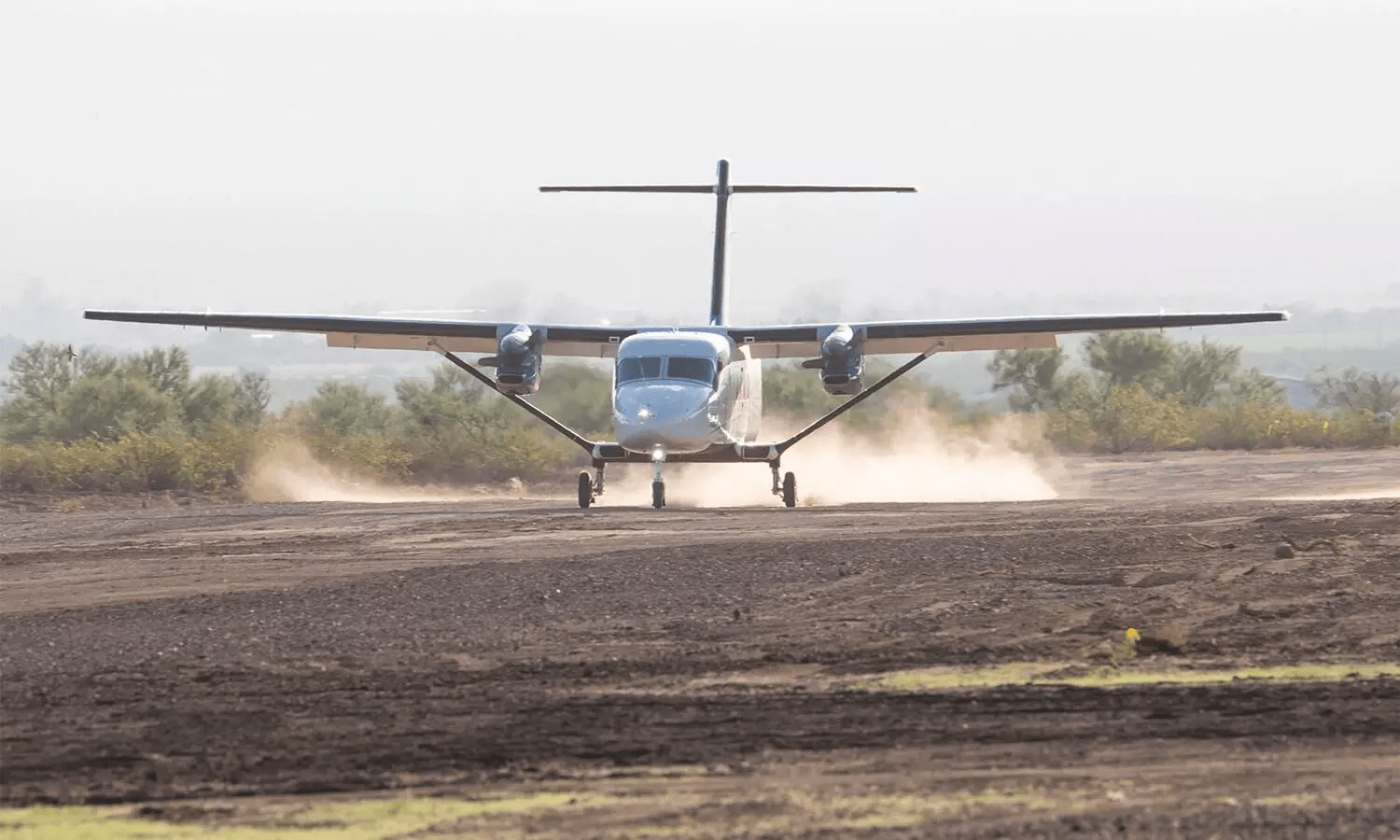
The SkyCourier UX is being positioned between smaller tactical cargo drones and larger military airlifters. Its proposed role would be the movement of cargo and critical supplies across the final stages of distribution networks, including intra-theatre logistics and support for expeditionary operations. The concept is designed around the SkyCourier’s existing short-field capabilities and its ability to operate from unimproved runways, potentially giving military operators another option when established infrastructure is unavailable or disrupted.
Related Post

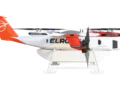
A key element of the concept is the integration of Merlin Pilot, Merlin’s aircraft-agnostic autonomous flight system. The companies are exploring fully autonomous take-off and landing as well as configurations in which the removal of an onboard crew could allow the aircraft to be designed more specifically around cargo requirements. One configuration under consideration replaces conventional cockpit volume with additional cargo space and incorporates a forward-loading arrangement with a large nose opening. The design is also being evaluated with the SkyCourier’s kneeling capability and integrated loading systems to improve cargo access and usable volume.
“Military planners are increasingly focused on how to sustain forces across distributed and contested operational environments,” said Bob Gibbs, vice president, Defense and Special Mission Sales at Textron Aviation. He said the SkyCourier UX concept is intended to examine practical solutions by combining an established, certified aircraft platform with new autonomous technology.
Merlin CEO and founder Matt George said the concept combines the company’s autonomy technology with a proven aircraft platform to explore cargo operations designed around autonomy rather than an onboard crew. Merlin says its autonomy system has already completed hundreds of autonomous flights involving aircraft including Cessna Caravans and Beechcraft King Airs.
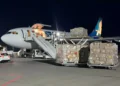
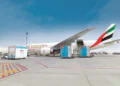
The SkyCourier UX is currently a concept, with further engineering studies and evaluations planned to assess autonomous and pilot-optional resupply operations. Based on the companies’ current design objectives, the proposed aircraft would carry approximately 6,000 pounds of payload, accommodate up to three LD3 cargo containers and operate from austere runways. Potential missions identified by the companies include hub-to-spoke distribution, expeditionary-base resupply, transportation of critical repair parts, medical-supply delivery and logistics support for island and remote-airfield operations.
The programme also builds on an aircraft platform already in production. Textron says the SkyCourier’s existing manufacturing system, global support network and sustainment infrastructure could provide a foundation for evaluating future autonomous and pilot-optional applications without requiring an entirely new airframe and industrial base. The SkyCourier freighter is already designed to carry up to three LD3 containers and a 6,000-pound payload.
For Merlin, the initiative comes as the company continues to advance its autonomy technology and certification work. In August 2026, Merlin announced that two components of Merlin Pilot—the Flight Control Computer and Automated Communication System—had reached Stage of Involvement 3 with New Zealand’s Civil Aviation Authority, in coordination with the FAA under a bilateral aviation safety framework.
The companies’ latest concept reflects growing industry interest in using autonomy to extend the flexibility of existing cargo aircraft. For military logistics, the SkyCourier UX is intended to explore whether a relatively compact, autonomous platform can provide additional lift and access to austere locations without committing larger crewed transport aircraft to lower-capacity distribution missions. The concept remains at the evaluation stage, with engineering work expected to determine how the proposed aircraft and autonomous systems could progress toward operational capability.