
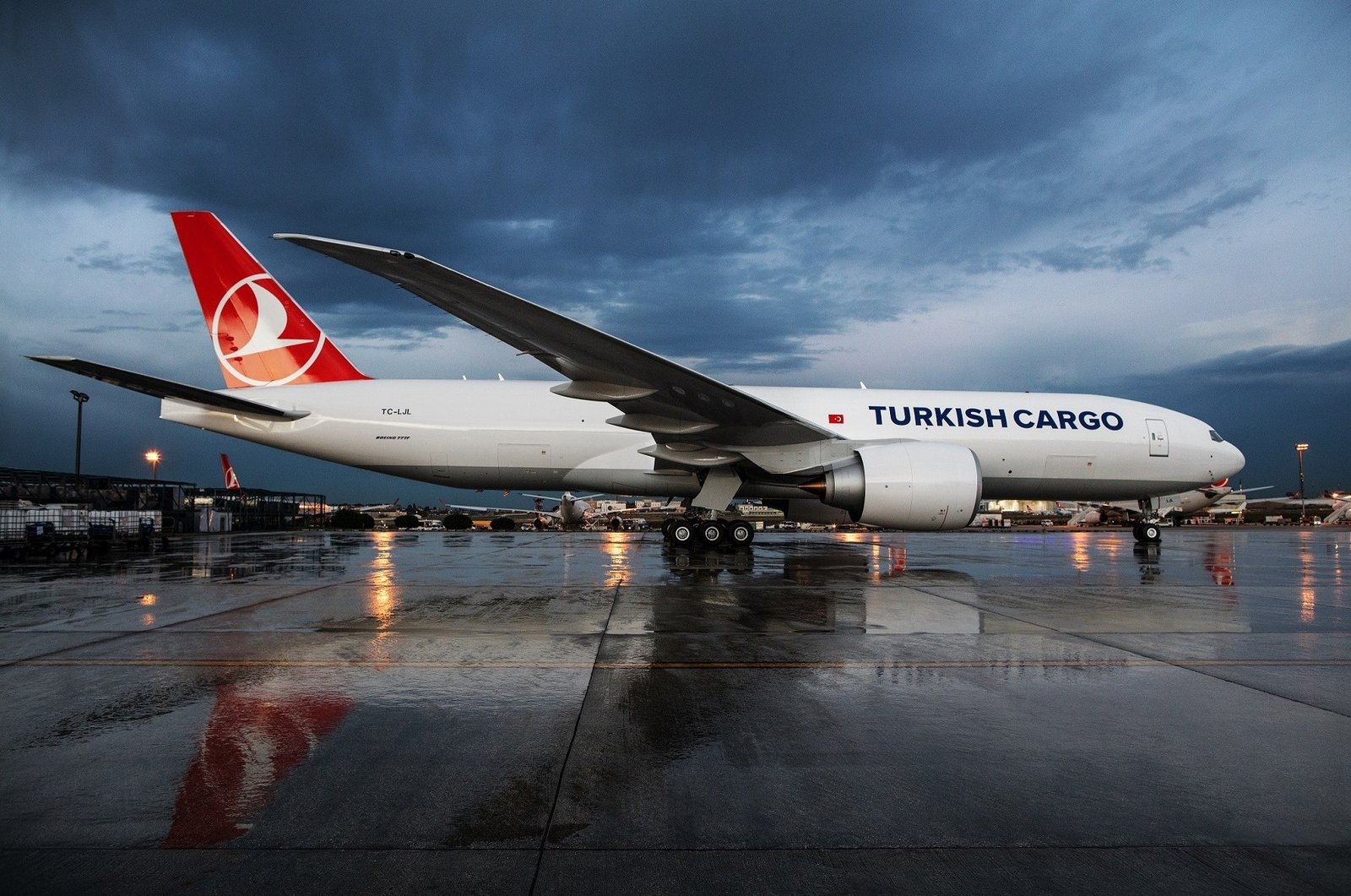
Turkish Cargo has expanded its international freighter network with the launch of scheduled cargo operations between Istanbul, Türkiye, and Yerevan, Armenia, establishing a new direct air freight connection between the two neighbouring countries.
The cargo division of Turkish Airlines completed its first scheduled Istanbul–Yerevan–Istanbul cargo operation on 15 November 2026, marking a new development in regional air freight connectivity.
The inaugural operation was announced by Yusuf Parlak, Cargo Manager for Georgia, Azerbaijan and Armenia at Turkish Airlines, in a LinkedIn post published on 15 November.
Related Post


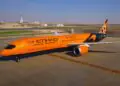
“As Turkish Cargo, we have successfully completed our first scheduled Istanbul – Yerevan – Istanbul cargo operation on 15 November,” Parlak said.
The new connection is expected to strengthen transportation links between Türkiye and Armenia, while providing additional opportunities for cargo movements and international trade through Turkish Cargo’s Istanbul hub.
Strengthening regional trade connectivity
The launch represents a further development in air transportation links between Türkiye and Armenia, where efforts to improve cross-border connectivity have gained momentum.
Turkish Airlines commenced scheduled passenger flights between Istanbul and Yerevan in March 2026. The introduction of dedicated cargo operations adds another dimension to the developing air transport relationship between the two markets.
Through its Istanbul hub, Turkish Cargo can connect shipments originating in Armenia with its wider international network, offering access to destinations across Europe, Asia, the Middle East and other global markets.
The new operation could also provide opportunities for businesses and freight forwarders seeking additional air freight routing options between the South Caucasus and international trading centres.
However, Turkish Cargo has not yet publicly specified the frequency, aircraft type or cargo capacity allocated to the new route.
Network expansion supported by infrastructure investment
The Yerevan development comes as Turkish Cargo continues to expand its international network and invest in infrastructure at Istanbul Airport.
A major component of this strategy is the second phase of its SMARTIST cargo terminal development, which is designed to increase annual handling capacity from approximately two million tonnes to 4.5 million tonnes.
The expansion is being developed with Lödige Industries as the technology partner, building on the automated cargo handling systems installed at the original facility.
The SMARTIST 2 project is intended to increase handling efficiency, improve operational capacity and strengthen Istanbul’s position as an international air cargo gateway.
The investment is particularly significant as Turkish Cargo continues to develop its global network and accommodate growing demand for international freight services.
Expanding strategic cooperation with Air China Cargo
Turkish Cargo has also strengthened its international network through a strategic partnership with Air China Cargo.
Under the arrangement announced earlier in 2026, Air China Cargo operates scheduled freighter services between Chengdu Shuangliu International Airport and Istanbul, creating an additional cargo connection between China and Türkiye.
The cooperation is intended to improve capacity options and support growing freight demand between the two markets.
Combined with the development of regional routes such as Yerevan, the initiative reflects Turkish Cargo’s broader strategy of strengthening Istanbul’s role as a connecting point for international air freight.
Additional freighter capacity planned for 2027
Turkish Airlines is also preparing to expand its dedicated freighter fleet through the acquisition of two Boeing 777-300ERSF converted freighters.
On 29 October 2026, aircraft lessor AerCap announced that it had signed lease agreements with Turkish Airlines for the two converted aircraft.
Deliveries are scheduled between March and September 2027, following passenger-to-freighter conversions at Etihad Engineering’s maintenance, repair and overhaul facility in Abu Dhabi.
The Boeing 777-300ERSF is a widebody converted freighter designed to provide additional long-haul cargo capacity.
The aircraft will complement Turkish Airlines’ existing dedicated freighter operations and support its longer-term cargo expansion plans.
Istanbul strengthens its position as a regional cargo gateway
The launch of Istanbul–Yerevan cargo operations adds another regional connection to Turkish Cargo’s international network at a time when the airline is investing in both infrastructure and fleet capacity.
With the SMARTIST terminal expansion, additional international partnerships and planned freighter deliveries, Turkish Cargo is pursuing a broader strategy to strengthen its cargo handling capabilities and international reach.
For freight forwarders and shippers, the new Armenia connection introduces another potential routing option through Istanbul, linking the South Caucasus with the airline’s extensive global network.
As regional trade and transport links continue to develop, the route represents a further step in expanding direct air freight connectivity between Türkiye and Armenia.