
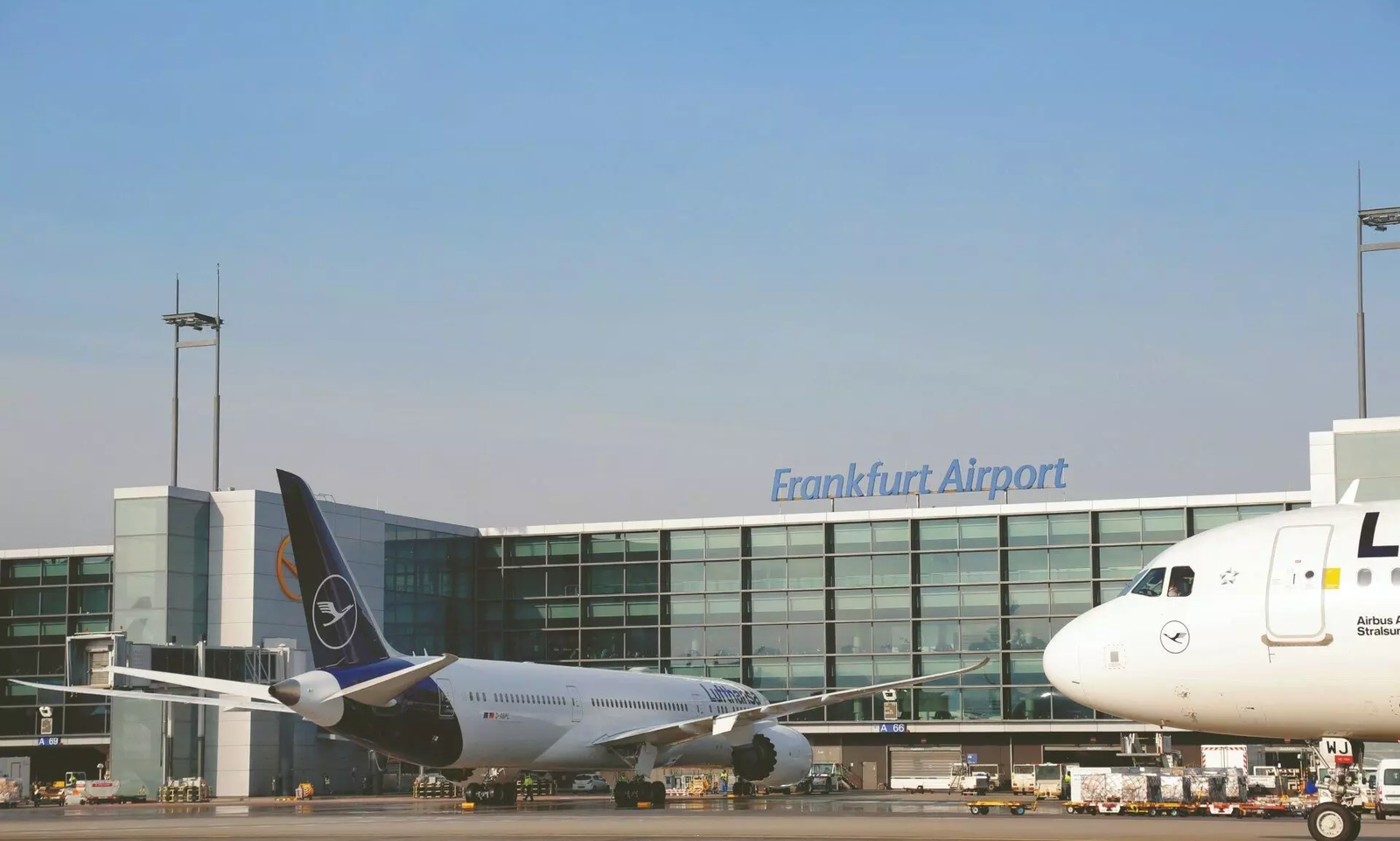
Frankfurt Airport, Europe’s foremost air cargo hub, recorded a modest year-on-year rise in cargo volumes in January 2026, according to the latest traffic figures published by Fraport AG. The airport handled 150,044 metric tonnes of freight and mail during the month, marking a 1.2 percent increase on the same period last year—a sign of steady demand in an uneven global airfreight market.
The uptick at Frankfurt was accompanied by a slight 1.1 percent rise in aircraft movements, with 31,284 take-offs and landings, while total maximum take-off weights (MTOW) climbed 0.6 percent to around 2.0 million metric tonnes, underscoring incremental growth in flown cargo payloads.
Fraport’s January report also highlighted broader traffic momentum across its portfolio of airports, with strong passenger growth complementing the cargo performance, though specific freight data for group airports beyond Frankfurt was not disclosed in the initial release.
Related Post

The January results build on Frankfurt’s resilient airfreight trajectory seen through 2025, when the airport handled approximately 2.1 million tonnes of cargo, maintaining its position as Europe’s busiest cargo gateway amid sustained e-commerce demand and logistical shifts driven by global supply chain realignments.
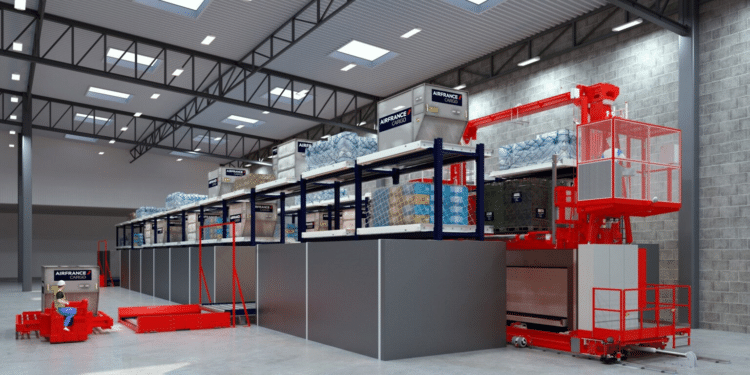
Industry observers note that while cargo growth remains positive, it is tempered by broader economic and capacity pressures. Strategic investments in infrastructure, such as the ongoing CargoHub master plan and expanded partnerships with logistics providers, aim to bolster FRA’s long-term competitive edge. Fraport and partners are prioritising space optimisation, digitalisation and process innovation to meet future freight demand efficiently and sustainably.
As global air cargo markets navigate post‑pandemic volatility, Frankfurt’s cargo figures in early 2026 suggest cautious resilience, underpinned by diversified routing, expanded handling capabilities and a continued role as a key European distribution node within international supply chains.