
Cathay Cargo is positioning itself for the next phase of air cargo growth with plans to modernise its freighter fleet through the introduction of the new-generation Airbus A350F while expanding its specialised perishables logistics business across Asia.
The cargo division of Cathay Pacific is leveraging its strong passenger network and cargo hub at Hong Kong International Airport to drive capacity and capture growing export demand from southern China and Southeast Asia.
Preparing for next-generation freighter capacity
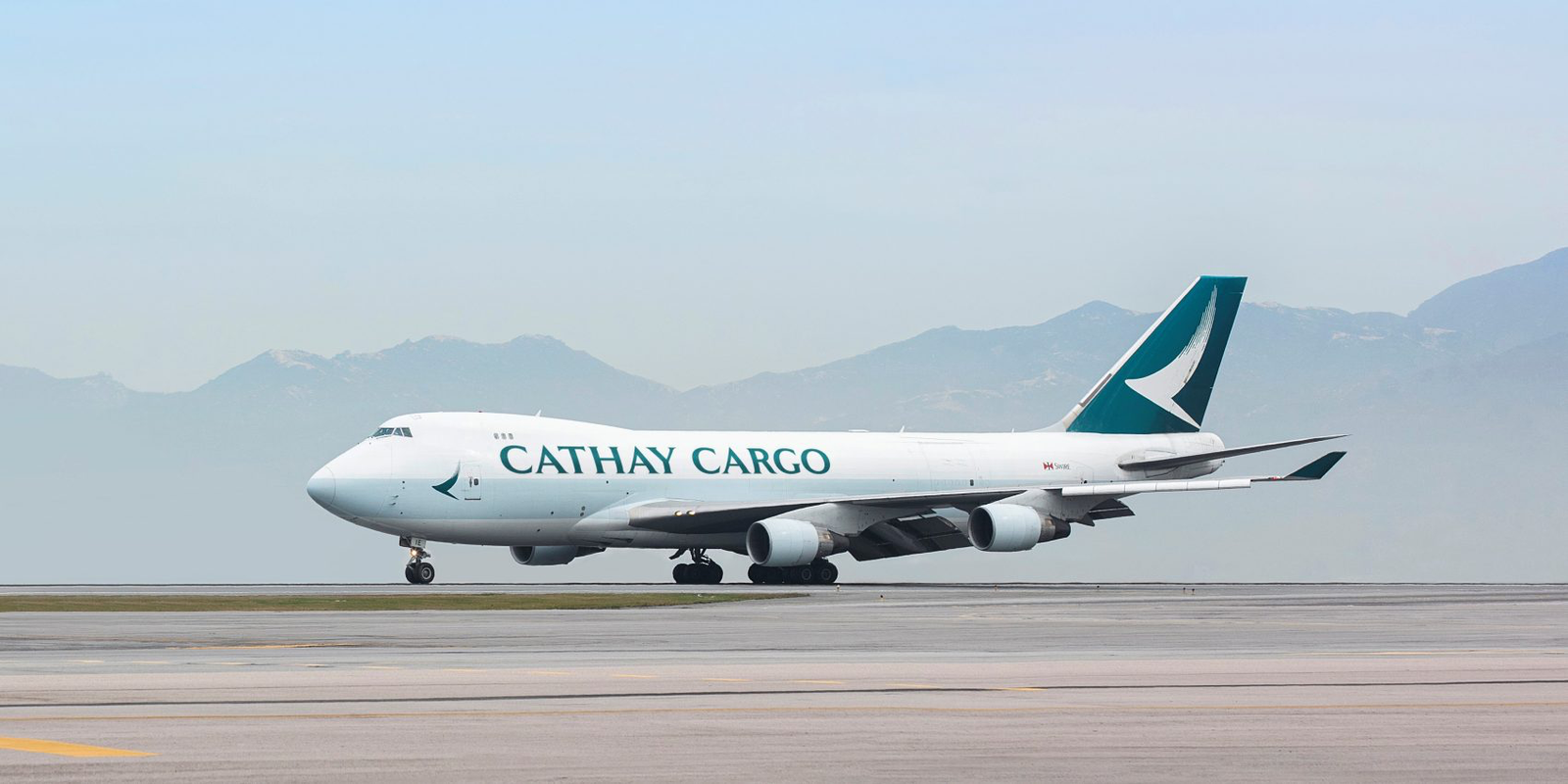
Cathay Pacific currently operates a fleet of 179 aircraft under its control, including 20 dedicated freighters — all Boeing 747 Freighter variants. While the airline benefits from extensive belly cargo capacity on its passenger fleet, the freighter segment remains comparatively limited.
To address future demand and modernise its cargo fleet, the airline placed an order with Airbus in December 2023 for six A350 freighters, alongside purchase rights for up to 20 additional aircraft.
According to James Evans, General Manager Cargo Commercial at Cathay Cargo, the additional freighter capacity will play a crucial role in supporting cargo flows from Hong Kong and strengthening the airline’s long-term growth strategy.
“We’ve got huge capacity in our bellies, but we’ve only got 20 freighters,” Evans said, highlighting the importance of expanding the dedicated cargo fleet.
The A350F was a logical selection for Cathay Pacific, which already operates 47 passenger variants of the A350 aircraft family. The freighter version will introduce significant efficiency gains, including a payload capacity of up to 111 tonnes, a range of approximately 4,700 nautical miles, and up to 40% lower fuel burn and carbon emissions compared with older freighter models.
However, Cathay’s first A350F delivery is not expected until at least 2028, with additional aircraft scheduled to enter service through 2029. Until then, the airline expects its freighter capacity to remain relatively stable.
Evans noted that while the global air cargo industry has been discussing potential widebody freighter shortages—caused by supply chain disruptions, limited aircraft conversion feedstock and delays to new aircraft programmes—Cathay currently has no immediate plans to lease additional freighters.
“We are always monitoring opportunities,” Evans said. “But our focus right now is preparing for the arrival of the A350 freighters and optimising the capacity and network we already operate.”
Leveraging Hong Kong’s role as a regional cargo gateway
Cathay Cargo continues to benefit from the strategic position of Hong Kong as a major global logistics hub. The airport functions as a critical transhipment centre linking global air cargo flows with the rapidly expanding Guangdong–Hong Kong–Macao Greater Bay Area (GBA).
The GBA is one of the world’s most dynamic manufacturing and export regions, generating significant air cargo volumes across electronics, high-tech goods and consumer products.
Evans said Hong Kong’s location at the centre of this economic zone provides Cathay Cargo with access to substantial production and export demand.
“There are huge volumes and business out of the Greater Bay Area, and Hong Kong sits at the heart of that,” he said.
The airline currently holds an estimated 25–30% share of total cargo capacity operating from Hong Kong when both passenger belly and freighter capacity are combined.
Additionally, growing manufacturing output in Southeast Asia has contributed to increased cargo flows into Hong Kong for onward international distribution.
“There has been double-digit growth out of Southeast Asia, and we have been beneficiaries of that as well,” Evans explained.
Maintaining strong long-haul cargo networks
Cathay Cargo continues to deploy a significant proportion of its freighter operations on routes to the Americas, where demand for long-haul cargo capacity remains strong.
The airline typically operates between 33 and 38 freighter flights per week to destinations across North and Latin America, with additional services introduced during peak seasons.
Evans noted that cargo demand can shift rapidly between markets, requiring airlines to remain agile in allocating capacity.
“With aircraft, you have the flexibility to redeploy capacity to where it is needed. Being able to pivot and adjust quickly is critical in air cargo,” he said.
This flexibility allowed Cathay to redirect capacity to other regions when e-commerce volumes from Asia to the United States temporarily declined following regulatory changes affecting cross-border shipments.
According to Evans, e-commerce demand has since recovered and continues to represent only one component within a diversified cargo portfolio that includes industrial goods, consumer products and specialised cargo shipments.
Expanding perishables logistics through intermodal connectivity
A key growth segment for Cathay Cargo is the transportation of perishable goods, particularly fresh seafood, fruit and other temperature-sensitive products.
The airline has been developing its Fresh solution logistics service alongside the launch of an innovative Air-Land Fresh Lane initiative connecting Hong Kong with mainland China.
The corridor uses temperature-controlled trucks equipped with GPS tracking and secure electronic locks to transport perishable cargo across the Hong Kong–Zhuhai–Macao Bridge directly into the Greater Bay Area. Shipments move under a single air waybill, streamlining cross-border documentation and reducing transit time.
Cathay was the first airline to utilise the new logistics corridor, which was developed in cooperation with authorities in Hong Kong and Guangdong.
The airline has already conducted trial shipments of high-value seafood products including live lobsters and geoducks, while continuing to refine cross-border documentation processes, terminal handling procedures and intermodal trucking integration.
“We see the Air-Land Fresh Lane as a major opportunity,” Evans said. “The Greater Bay Area is a large and growing consumption market.”
Digitalisation supporting cargo operations
Alongside fleet and network development, Cathay Cargo is investing heavily in digitalisation to improve cargo visibility and operational efficiency.
The airline has been an early adopter of the International Air Transport Association’s ONE Record data protocol, a digital standard designed to create a single, shared shipment data record accessible to all stakeholders across the air cargo supply chain.
In December 2024, Cathay became the first airline to implement ONE Record within certain forwarder integrations, enabling the exchange of electronic air waybill data and shipment status updates via application programming interfaces (APIs).
The following month, Sinotrans Hong Kong Air Transportation Development became the first Hong Kong-based freight forwarder to submit shipment documentation through the system.
Cathay Cargo has also integrated the platform with customs systems in multiple markets, allowing customers to receive real-time clearance updates from authorities including the European Union’s ICS2 Import Control System, as well as customs agencies in the United States, Canada and the United Arab Emirates.
Initially available through Cathay’s EzyCargo platform and ONE Record API connections, the service is expected to be rolled out more broadly across the airline’s cargo customer base.
Positive outlook for cargo demand
Despite ongoing market volatility, Cathay Cargo remains optimistic about growth prospects.
The airline reported a 9.4% year-on-year increase in cargo volumes in 2025, driven by strong demand for specialised cargo solutions and a robust peak season.
Looking ahead, Evans expects overall cargo carrying capacity to increase by around 5–7% as additional passenger aircraft enter the fleet, boosting belly capacity and creating new network opportunities.
“I remain positive about the outlook,” he said. “Our scale, our location and our ability to adjust capacity quickly give us strong advantages as the market continues to evolve.”