
More than three‑quarters of United States airfreight forwarders are reporting significant operational challenges linked to the ongoing conflict in the Middle East, according to new survey data released by the Airforwarders Association (AfA). That disruption is reverberating through the air cargo sector, driving cost increases, longer transit times and logistical uncertainty for freight professionals who play a vital role in keeping global supply chains moving.
The AfA survey, conducted among its membership of freight forwarding firms, indicates that 75 % or more of respondents are experiencing disruption, with 29 % describing the impact as significant and 38 % reporting a moderate effect on day‑to‑day operations. Rising operational costs were also a recurring theme, with over two‑thirds of forwarders citing measurable increases, including 27 % noting significant cost inflation and 41 % reporting moderate rises.
Brandon Fried, executive director of the Airforwarders Association, highlighted the constellation of pressures facing the industry. “This data shows a sector under sustained pressure from global events beyond its control, with disruption, cost inflation and uncertainty compounding daily operational challenges,” he said, pointing to the widespread effects of geopolitical developments on air logistics networks.
Related Post

Survey respondents identified several key operational stress points: rate volatility, flight cancellations, capacity constraints and extended transit times. These issues are compounded by growing customer service demands and space embargoes that restrict available lift on critical trade routes. As airlines adjust schedules, reroute flights and sometimes curtail service to or through the conflict‑affected regions, forwarders have been forced to adapt quickly to maintain cargo flows.
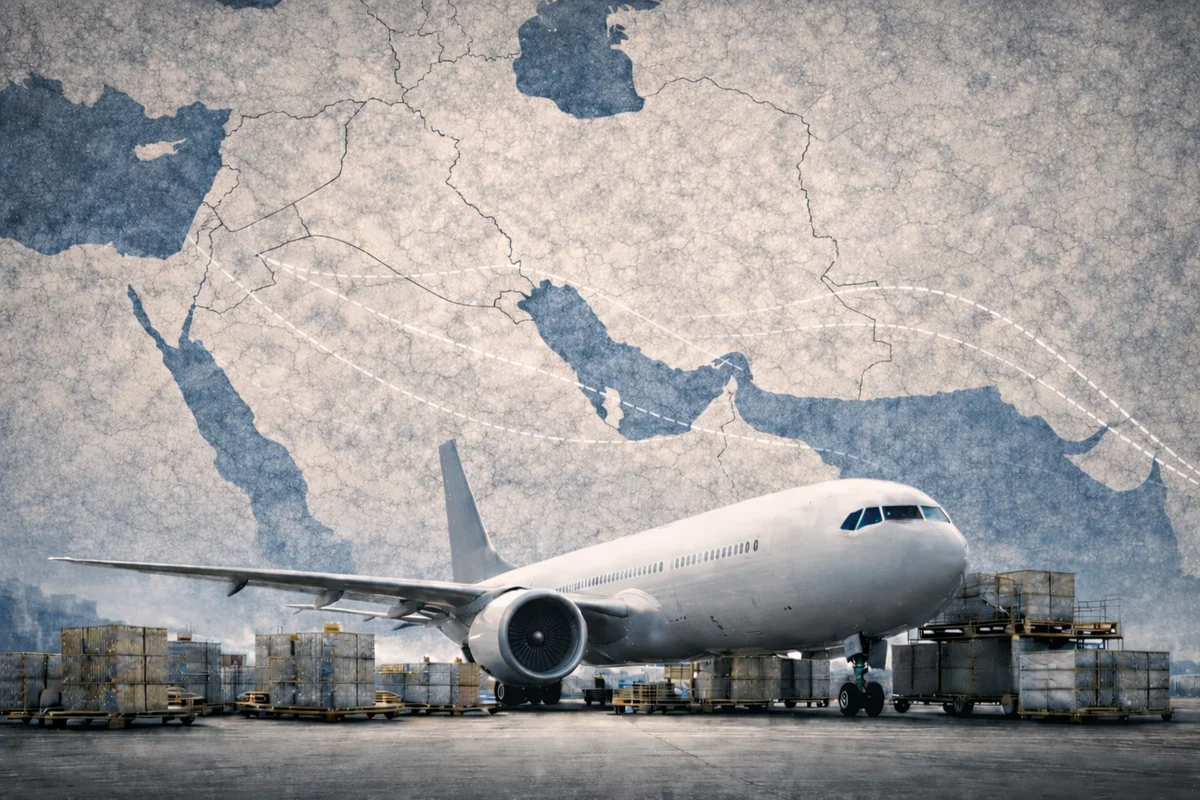
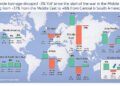
The Middle East plays a pivotal role in global air transport, serving as an important hub for connections between Asia, Europe and the Americas. Disruption in the region has broader implications across the logistics ecosystem. Analysts note that instability can ripple into freight operations around the Strait of Hormuz and key Gulf airspace, tightening capacity and putting upward pressure on both freight costs and transit times—a dynamic also reflected in broader freight market reporting.
In addition to external conflict‑related pressures, the AfA is raising concerns about domestic policy instability, particularly the prolonged shutdown of the US Department of Homeland Security. The organisation has urged US policymakers to resolve the impasse and ensure Transportation Security Administration (TSA) personnel are paid, warning that unresolved regulatory and staffing uncertainties could further degrade aviation and air cargo operations. “Ending uncertainty, whether operational or regulatory, is critical to maintaining the resilience and reliability of the air cargo sector,” Fried added.
This latest survey follows an earlier assessment by the association in the current cycle, which documented the adverse effects of US tariffs on freight volumes handled by members. Together, these findings underscore the multifaceted challenges confronting forwarders as they navigate a marketplace buffeted by geopolitical tensions, shifting trade flows and policy headwinds.
For freight forwarding professionals, the current environment demands both real‑time operational adaptation and long‑term strategic planning to sustain cargo movement in the face of evolving disruptions. With global trade routes under pressure from conflict‑related airspace restrictions and cost inflation, the sector’s ability to maintain reliable, efficient freight services remains a central concern for shippers and supply chain stakeholders alike.