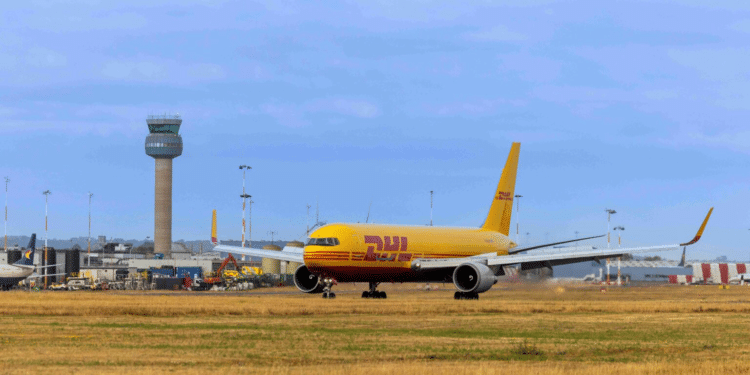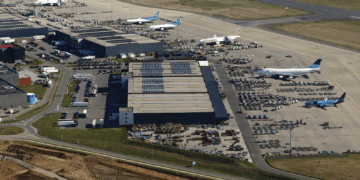

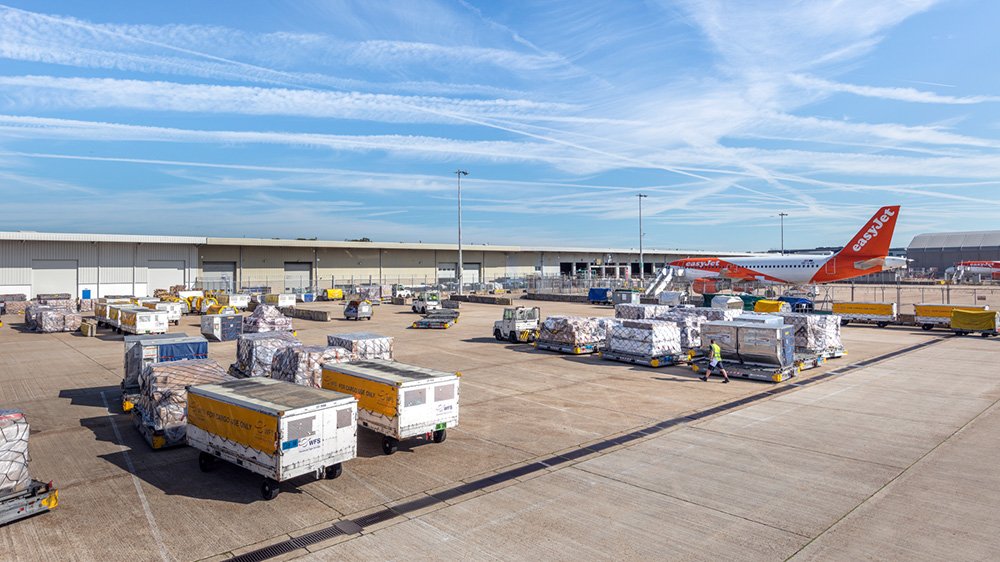
London Gatwick Airport has taken a strategic step to reinforce the long-term resilience and growth of its air cargo operations with the acquisition of full control over the World Cargo Centre Gatwick, a key logistics asset supporting international freight flows through the airport.
The 1,747-square-metre facility, located directly adjacent to the airfield, plays a critical role in the handling and processing of cargo moving through Gatwick’s network. Its integration into the airport’s operational estate marks a significant development in the airport’s broader strategy to secure and optimise essential freight infrastructure.
Strengthening a Passenger-Driven Cargo Model
Unlike dedicated cargo hubs, a substantial proportion of freight handled at London Gatwick is transported in the belly hold of long-haul passenger aircraft. These services support vital trade corridors linking the United Kingdom with key global markets across Asia, Africa, and the Middle East.
Related Post


By bringing the World Cargo Centre under full airport control, Gatwick aims to enhance operational coordination between airside and landside processes, ensuring smoother cargo flows and improved efficiency for freight operators and logistics partners.
The move is also expected to safeguard continuity for businesses operating within the facility while reinforcing the infrastructure needed to support ongoing and future demand for air freight services.
Supporting Long-Term Airfield and Infrastructure Planning
Airport officials have indicated that the acquisition will play a supporting role in Gatwick’s long-term development plans, including its proposed Northern Runway programme. Ensuring direct control over critical cargo infrastructure is seen as essential to maintaining operational flexibility as the airport evaluates future capacity expansion options.
Freight operations at Gatwick are increasingly viewed as a strategic component of the airport’s broader economic contribution to the South East of England, particularly as global supply chains continue to rely heavily on time-sensitive and high-value air cargo transport.
Jonathan Pollard, Chief Commercial Officer at London Gatwick, highlighted the importance of freight to the airport’s overall role in supporting trade and economic activity.
“Freight is a crucial part of how London Gatwick supports trade and economic growth across the South East and beyond,” Pollard said. “Bringing the World Cargo Centre fully into our estate secures the infrastructure that already keeps goods moving, strengthens resilience, and ensures we are ready to support future growth – while maintaining continuity for the businesses operating on site.”
Cargo Demand Outlook Remains Positive
The acquisition comes at a time when air freight demand continues to show resilience across global markets, supported by sustained growth in e-commerce, pharmaceutical logistics, and high-value supply chains.
While Gatwick does not operate as a dedicated cargo hub, its role in facilitating bellyhold freight remains an important part of the UK’s wider air cargo ecosystem, particularly for long-haul international connectivity.
Industry analysts note that ensuring control over key cargo infrastructure within passenger-centric airports is becoming increasingly important as airlines and airport operators seek to optimise efficiency, improve turnaround times, and protect capacity within constrained airfield environments.
With the integration of the World Cargo Centre, Gatwick is positioning itself to maintain stable and efficient freight operations while preparing for potential long-term infrastructure expansion aligned with future aviation demand.