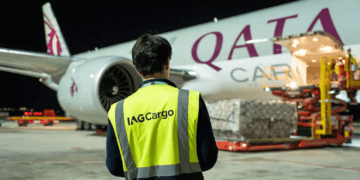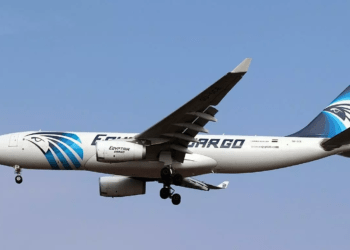
Heathrow Airport has reported handling nearly £300 billion worth of trade in 2025, reinforcing its position as the United Kingdom’s primary hub for international air cargo and a critical gateway for global supply chains.
According to the latest UK Government trade data, the airport processed approximately £293 billion in goods over the course of the year, accounting for more than a quarter of total UK trade by value. The figures highlight Heathrow’s outsized role in facilitating high-value international commerce through air freight.
Cargo volumes at the airport also recorded modest growth in 2025, rising 0.8% year on year to 1.5 million tonnes. The increase was supported by stronger inbound volumes, reflecting sustained demand for air transport of high-value and time-sensitive goods.
Related Post



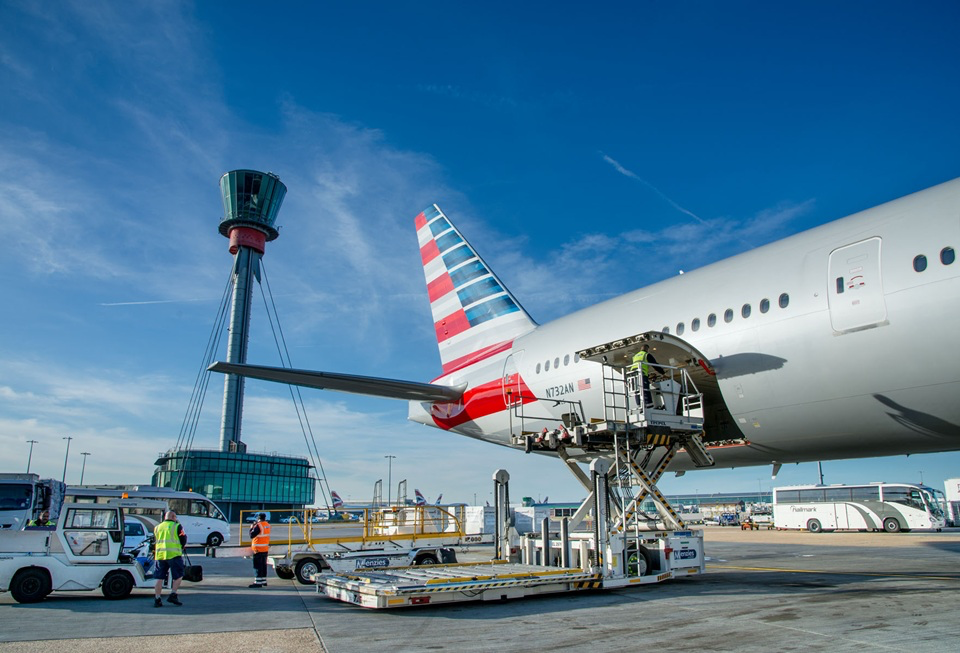
Of the total trade value processed through Heathrow, around £166 billion comprised imports, while approximately £127 billion represented exports. On average, each aircraft departing or arriving at the airport carried an estimated £600,000 worth of cargo, underscoring the high-value nature of shipments handled through the hub.
Government data further indicates that Heathrow dominates the UK air cargo landscape, accounting for roughly 75% of total air freight value nationwide. More than 90% of the airport’s trade is conducted with non-European Union markets, highlighting its strategic importance in connecting the UK to long-haul global trade routes.
The airport has described its role as the country’s only hub airport as central to sustaining international trade flows, particularly for sectors reliant on rapid and reliable logistics, including pharmaceuticals, manufacturing, and high-value consumer goods.
However, Heathrow has also reiterated concerns over capacity constraints, stating that current infrastructure is operating at its limits. The airport has consistently argued that expansion is necessary to accommodate future trade growth and maintain the UK’s competitiveness in global markets.
In November 2025, the UK government approved Heathrow Airport Limited’s long-discussed third runway proposal. The project includes a 3.5-kilometre runway and significant associated infrastructure works, including a tunnel to carry the M25 motorway beneath the expanded airfield.
James Golding, Head of Cargo and Airline Partnerships at Heathrow, emphasized the airport’s central role in enabling national trade flows. He noted that Heathrow supports a wide range of critical supply chains, from inbound pharmaceuticals to exports of British consumer goods, including food products such as biscuits and other packaged goods.
Golding added that planned expansion would be essential to ensuring the UK maintains sufficient capacity to grow trade volumes, support employment across logistics and manufacturing sectors, and remain competitive in an increasingly globalized economy.
As global trade patterns continue to evolve, Heathrow’s position as the UK’s dominant air cargo hub underscores its strategic importance not only to aviation, but also to the broader national economy.