
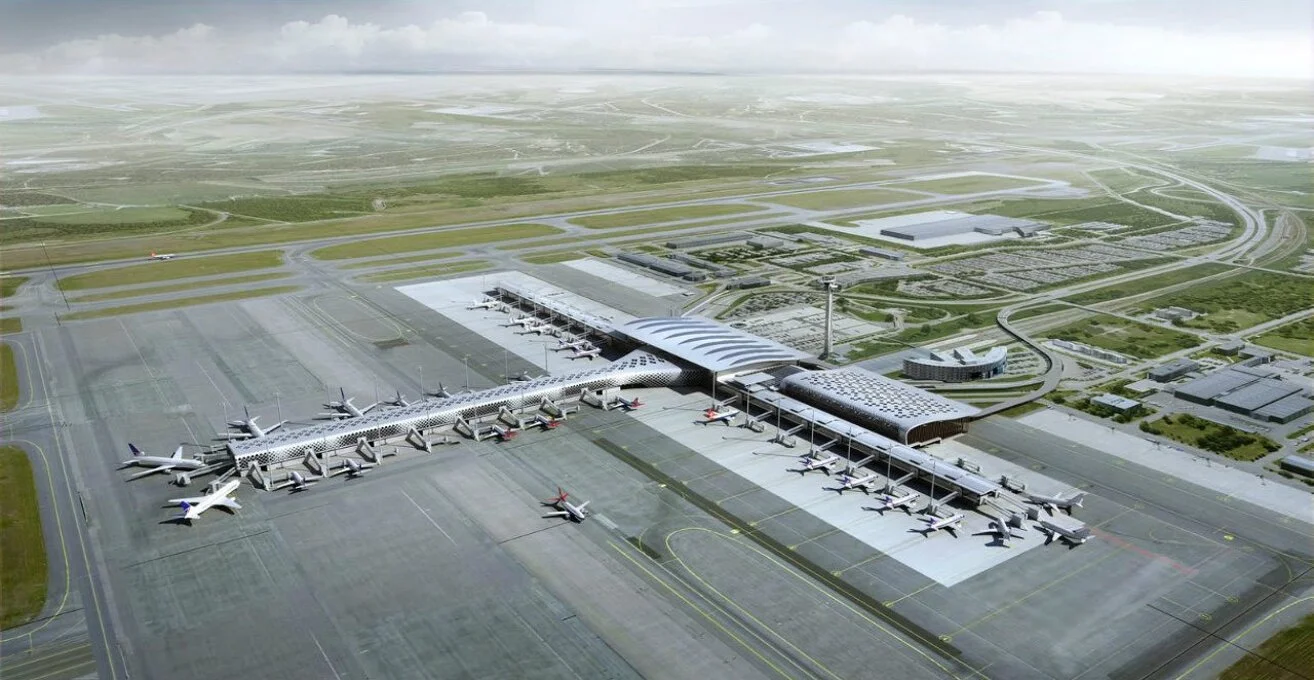
Oslo Airport has outlined an ambitious modernisation strategy centred on the development of a new cargo hub, as part of broader efforts to strengthen capacity, efficiency, and competitiveness in response to rising demand across passenger and freight segments.
The initiative, led by state-owned airport operator Avinor, reflects mounting pressure on Norway’s primary aviation gateway, where rapid growth in cargo volumes and increasing passenger traffic are stretching existing infrastructure. Airport Director Thorgeir Landevaag described the plan as a comprehensive rethinking of the airport’s long-term development, aimed at ensuring operational resilience for decades to come.
At the core of the proposal is the relocation of the current cargo area to the western side of the airport, where new cargo and logistics terminals will be developed. The move is designed to significantly expand handling capacity while improving operational efficiency and reliability for critical export sectors.
Related Post



Air cargo plays a vital role in Norway’s economy, particularly in the export of seafood, the country’s second-largest export category. Oslo Airport serves as a key node in global cold chain logistics, making capacity expansion essential to maintaining delivery performance and supporting international trade flows.
The new cargo hub is also expected to generate wider economic benefits, including job creation and enhanced business development opportunities across the Eastern Norway region. By relocating cargo operations, the airport will free up central space that can be repurposed to support passenger growth and the expansion of airline networks.
In parallel, Avinor is planning measures to optimise existing infrastructure, including improved utilisation of the airport’s two runways. Operational enhancements such as rapid exit taxiways are expected to increase aircraft movement capacity without requiring significant additional land or environmental impact. These improvements could delay the need for a third runway, while still accommodating projected growth.
Capacity constraints are already evident, particularly in aircraft parking during peak periods and overnight operations. The proposed restructuring allows for more efficient use of existing infrastructure, offering a cost-effective alternative to building new facilities in less central areas.
The modernisation plan also includes a longer-term vision for terminal expansion, although this remains at a conceptual stage. Overall, the project is expected to be implemented in phases, with the cargo hub development identified as the first priority. Subject to regulatory approvals and investment decisions, the full programme could extend through to 2040.
As global supply chains continue to evolve and demand for air freight capacity grows, Oslo Airport’s strategy reflects a proactive approach to infrastructure planning—balancing immediate operational needs with long-term national logistics priorities.