
“The IEA’s assessment of potential jet fuel shortages is sobering. We have also estimated that by the end of May we could start to see some cancellations in Europe for lack of jet fuel. This is already happening in parts of Asia. Along with doing everything possible to secure alternative supply lines, it’s important that authorities have well-communicated and well-coordinated plans in place in case rationing becomes necessary, including for slot relief,” said Willie Walsh, IATA’s Director General.
The International Air Transport Association (IATA) has raised urgent concerns over a potential jet fuel supply crisis that could begin disrupting airline operations in Europe by late May, as geopolitical tensions continue to strain global energy markets and logistics chains.
According to IATA, early signs of disruption are already visible in parts of Asia, where constrained fuel availability has begun to affect flight schedules. The situation is expected to intensify if supply conditions do not stabilise in the coming weeks.


IATA Director General Willie Walsh described the latest assessment from the International Energy Agency (IEA) as “sobering,” warning that limited jet fuel availability could force airlines in Europe to cancel flights as early as the end of May. He stressed the need for proactive coordination between industry stakeholders and government authorities to mitigate the impact of a potential supply crunch.
This has been driven in large part by escalating tensions linked to the Iran conflict, which have significantly disrupted fuel supply chains. A critical chokepoint, the Strait of Hormuz, has seen closures and restrictions, severely limiting the flow of crude oil and refined products into key markets, particularly Europe. As a result, jet fuel prices have surged, reportedly doubling since the onset of the conflict.
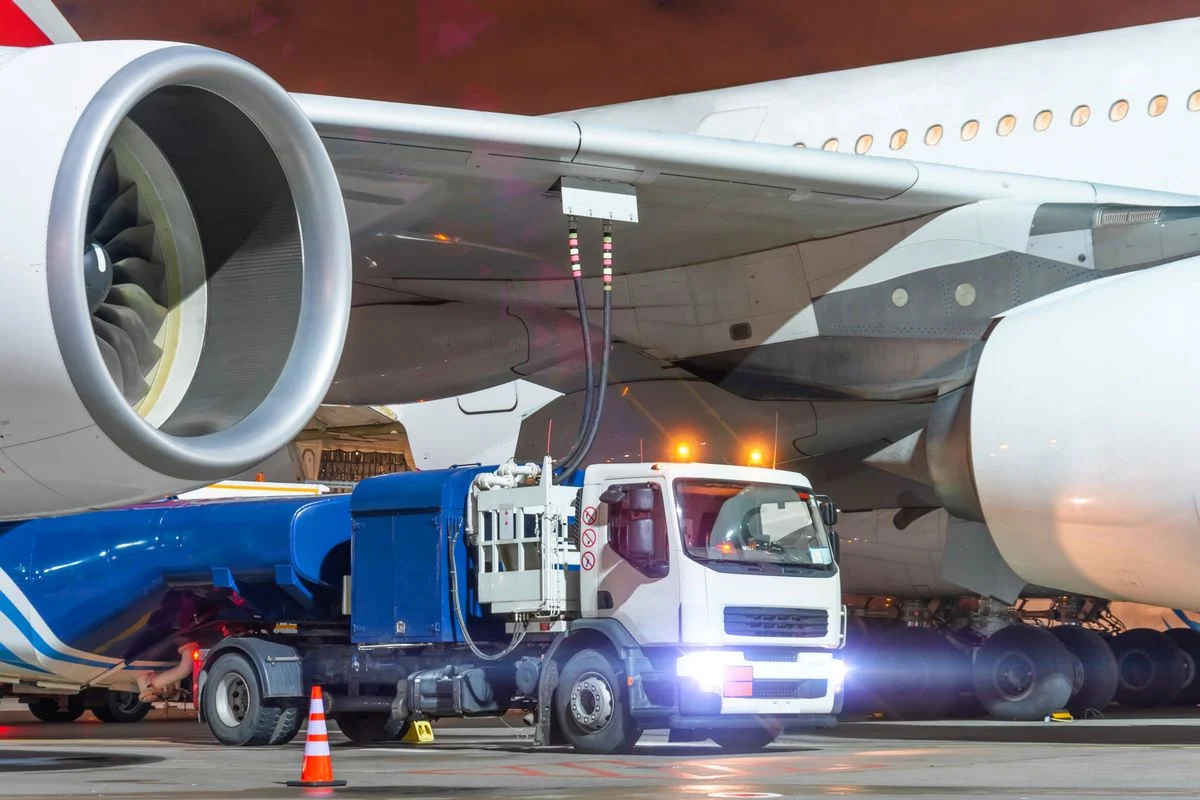
Europe’s heavy reliance on imported jet fuel has heightened its vulnerability, with the IEA indicating that regional reserves may only cover a matter of weeks. This timing is particularly concerning as airlines prepare for the peak summer travel season, when both passenger demand and air cargo volumes typically rise sharply.
Carriers are already beginning to adjust operations in response to this. Measures include scaling back flight frequencies, optimising route networks, and introducing fuel surcharges to offset escalating costs. These developments are expected to have a ripple effect across global air cargo supply chains, potentially impacting capacity, transit times, and freight rates.
IATA has urged governments and aviation authorities to establish clear and coordinated contingency plans. These include ensuring transparent communication with airlines, preparing for possible fuel rationing scenarios, and implementing operational flexibilities such as slot relief to help carriers manage reduced capacity efficiently.
Walsh emphasised that while airlines are actively seeking alternative fuel supply routes, coordinated policy responses will be critical to maintaining operational continuity and minimising disruption to passengers and cargo flows alike.
The evolving situation highlights the aviation sector’s continued exposure to geopolitical risk and underscores the importance of resilient fuel supply strategies as the industry works to balance operational demands with external uncertainties.