
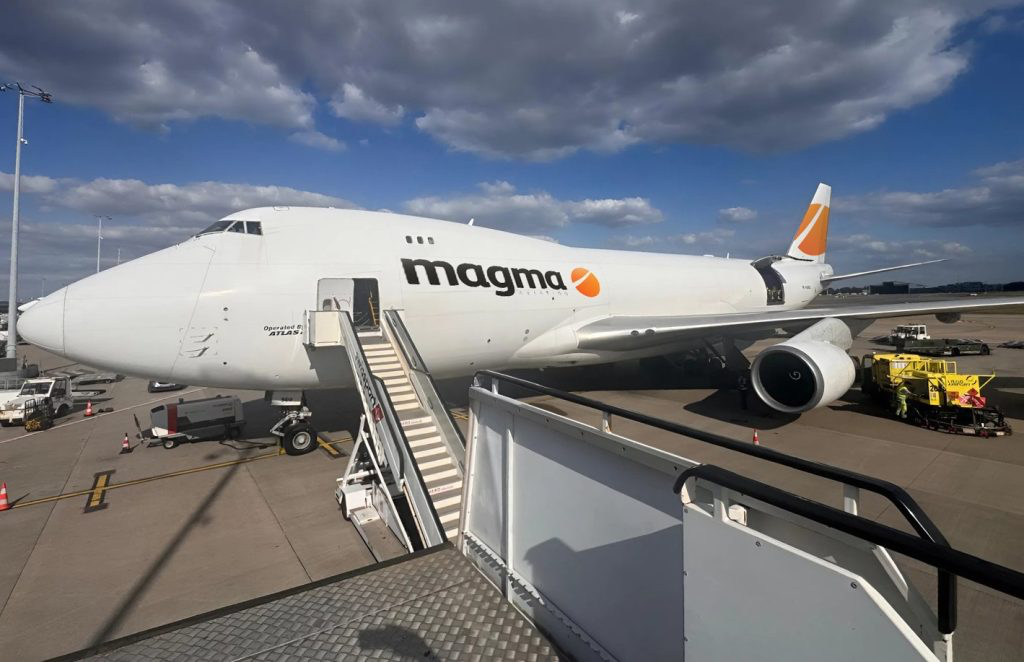
Global air cargo specialist Magma Aviation has strengthened its environmental strategy through an expanded partnership with Air Atlanta, focusing on reducing fuel consumption and enhancing operational efficiency across its flight network.
Central to this collaboration is the deployment of SkyBreathe, an advanced eco-flying platform developed by OpenAirlines. The system is designed to monitor fuel usage in real time and identify opportunities for optimisation through detailed analysis of operational data.
SkyBreathe enables airlines to evaluate a wide range of performance metrics, from flight trajectories to fuel burn patterns, allowing for targeted, data-driven decision-making. By highlighting inefficiencies and recommending corrective actions, the platform supports flight operations teams in implementing practical measures that improve both environmental performance and cost efficiency.
Related Post


According to Magma Aviation, insights generated through the platform have played a key role in identifying areas where operational adjustments can deliver measurable sustainability gains. These improvements align with broader industry efforts to reduce carbon emissions while maintaining operational reliability in a challenging market environment.
The results of these initiatives are already evident. In 2025, Magma Aviation reported a reduction in fuel consumption of more than 250,000 kilograms across its operations. This translated into an estimated decrease of approximately 800,000 kilograms of CO₂ emissions, marking a significant milestone in the company’s sustainability journey.
The partnership with Air Atlanta reflects a growing trend within the air cargo sector toward leveraging digital technologies to support environmental objectives. As regulatory scrutiny intensifies and pressure mounts to decarbonise aviation, tools such as SkyBreathe are becoming increasingly integral to airline strategies aimed at improving fuel efficiency and reducing emissions.
By combining operational expertise with advanced analytics, Magma Aviation is positioning itself to further enhance performance while contributing to industry-wide sustainability goals. The collaboration underscores the role of technology-driven solutions in shaping a more efficient and environmentally responsible future for air cargo operations.