
A new strategic collaboration between two major global air freight operators is reshaping connectivity between Asia and Europe, as Turkish Cargo and Air China Cargo launch scheduled freighter services linking China and Turkey through a dedicated Chengdu–Istanbul corridor.
The agreement introduces three weekly cargo frequencies between Chengdu Shuangliu International Airport and Istanbul Airport, marking a significant expansion of east–west air cargo capacity at a time of sustained demand growth across Asia–Europe trade lanes.
Strengthening a Key Eurasian Logistics Bridge
Under the partnership, Air China Cargo is operating scheduled freighter services on the route, integrating into Turkish Cargo’s global distribution network centred at Istanbul. The arrangement enhances connectivity from China’s western manufacturing and export hub in Chengdu to a broad range of international destinations via Türkiye’s strategic transcontinental hub position.
Turkish Cargo stated that the new corridor will enable more efficient distribution across its global network while reinforcing Istanbul’s role as a central transfer point linking Asia, Europe, the Middle East, and Africa.
The introduction of three weekly frequencies adds incremental capacity to an already highly competitive Asia–Europe cargo market, where demand has been shaped by e-commerce expansion, electronics manufacturing, and time-sensitive industrial supply chains.
Fleet Capacity and Operational Synergies
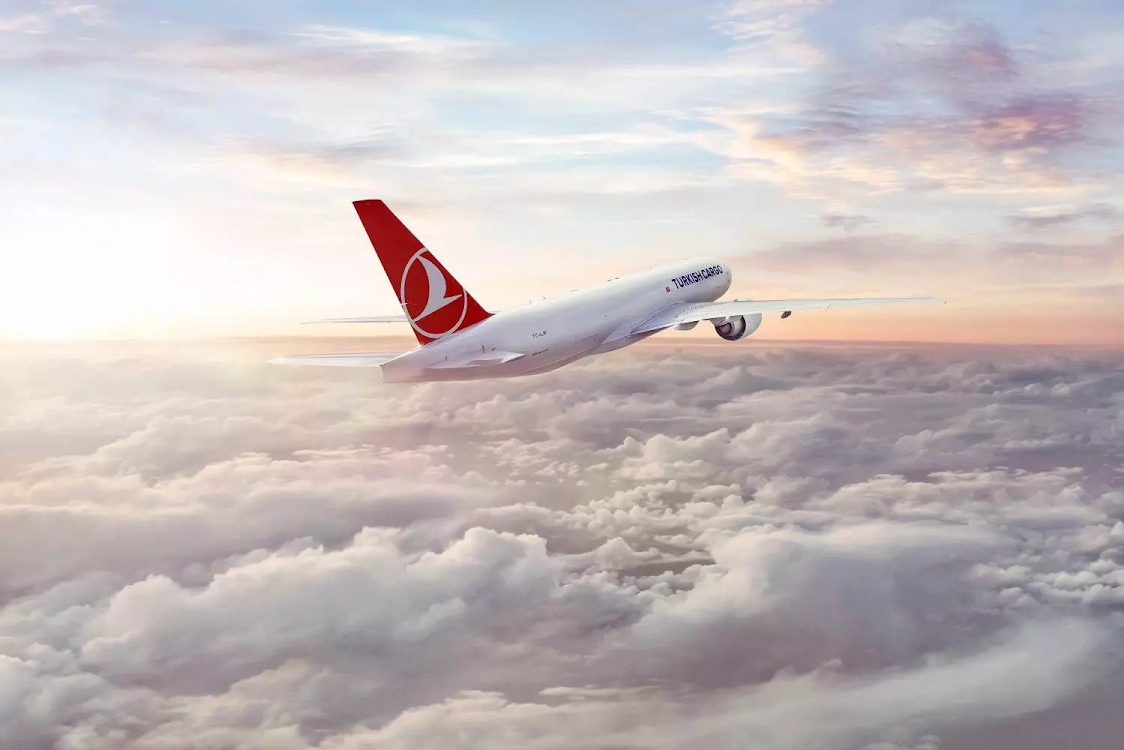
While aircraft deployment details have not been formally disclosed, Air China Cargo operates a mixed wide-body freighter fleet including Boeing 777 freighters, Boeing 747-400Fs, and Airbus A330-200 passenger-to-freighter conversions. Turkish Cargo similarly operates a modern long-haul freighter fleet comprising Boeing 777Fs and Airbus A330-200Fs, with additional aircraft on order.
The carrier’s future fleet expansion plans include further Boeing 777Fs and next-generation Airbus A350F freighters, aligning with broader capacity growth strategies aimed at supporting rising global cargo demand.
Industry observers note that the partnership reflects increasing cooperation between major carriers seeking to optimise network utilisation while addressing structural capacity constraints across key intercontinental routes.
Istanbul’s Growing Role as a Global Cargo Hub
The Chengdu–Istanbul link further strengthens Istanbul’s position as one of the most important air cargo transit hubs between Asia and Europe. Its geographic advantage enables efficient redistribution of cargo flows to Europe, the Middle East, and Africa, reducing transit times and improving network flexibility for shippers.
The development aligns with Turkish Cargo’s long-term infrastructure and fleet expansion strategy, which includes investments in digitalisation, terminal capacity, and dedicated e-commerce logistics capabilities.
In January, Turkish Cargo advanced its operational infrastructure with the launch of the second phase of its SmartIST air cargo terminal and a new dedicated e-commerce facility, designed to support high-volume parcel flows and improve processing efficiency across its global network.
China–Turkey Trade Corridor Expands
The new partnership underscores the growing importance of China–Türkiye trade flows, particularly as manufacturers diversify logistics routes amid shifting global supply chain dynamics. Chengdu, a key industrial and technology hub in western China, continues to strengthen its role as a major origin point for electronics, machinery, and high-value exports destined for Europe and beyond.
The addition of scheduled freighter capacity is expected to enhance resilience in the corridor, offering more predictable uplift options for exporters and freight forwarders operating between the two regions.
Strategic Fleet Expansion Supports Long-Term Growth
Turkish Airlines has outlined an ambitious long-term growth trajectory under its 2033 vision, targeting a fleet size of 813 aircraft, with the dedicated freighter segment expected to expand significantly in line with global cargo demand.
The expansion of freighter capacity is central to supporting rising volumes in e-commerce, automotive parts, pharmaceuticals, and industrial supply chains, all of which continue to drive structural growth in air cargo demand between Asia and Europe.
Outlook: Network Integration and Capacity Competition
The launch of scheduled Chengdu–Istanbul freighter services highlights a broader industry trend toward deeper inter-carrier collaboration and network integration in response to persistent capacity imbalances across global air cargo markets.
As demand for Asia–Europe connectivity remains strong, particularly from technology and manufacturing sectors, strategic partnerships such as this are expected to play a growing role in shaping capacity allocation, improving network efficiency, and supporting long-term trade flows between key economic regions.