
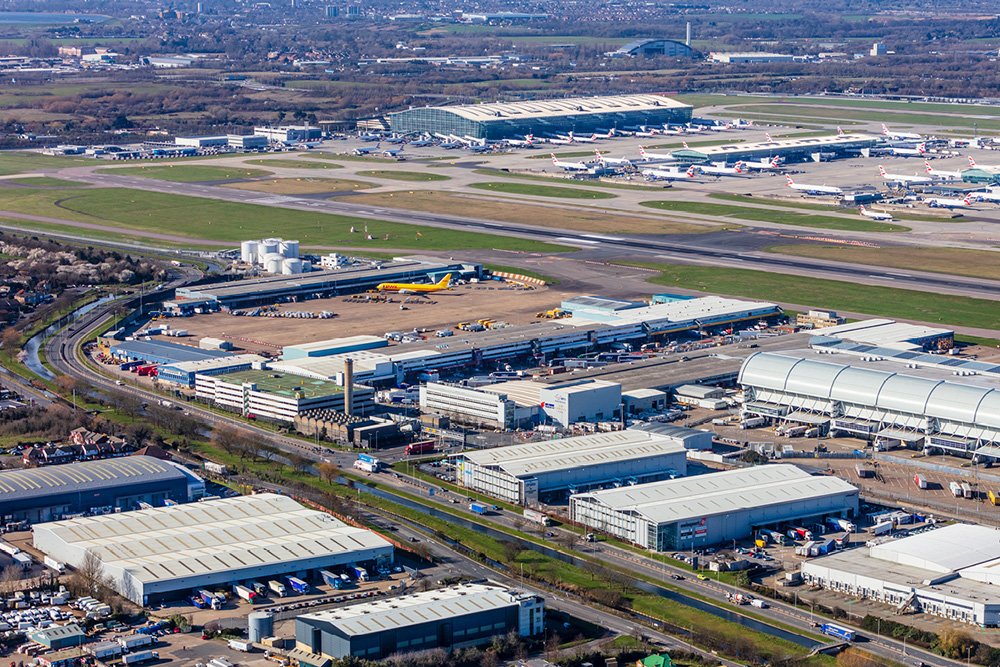
- Heathrow Airport has denied reports that China Investment Corporation is considering selling its 10 percent stake, stating the investor has no intention to divest or concerns over expansion costs
- Scrutiny centres on Heathrow’s £33bn third runway and wider redevelopment, with rising capital requirements, delays and regulatory uncertainty prompting a more cautious stance among investors and airlines
- The financial outlook now hinges on regulatory decisions by the Civil Aviation Authority and the airport’s ability to sustain returns, despite continued government backing and confidence from CEO Thomas Woldbye
Heathrow Airport has denied reports suggesting that China Investment Corporation (CIC) is considering selling its 10 percent stake in the airport amid growing scrutiny over the financial implications of Heathrow’s proposed third runway expansion programme.
The airport operator stated that it had been in direct communication with CIC, which reportedly confirmed that it has “no intention” of divesting its shareholding and holds no concerns regarding the costs associated with Heathrow’s long-term development plans.
The clarification follows increasing market speculation surrounding investor sentiment toward Heathrow’s multi-billion-pound expansion strategy, particularly as projected costs for the proposed third runway and associated infrastructure continue to rise.
Related Post


£33 Billion Expansion Programme Under Intensifying Scrutiny
At the centre of the debate is Heathrow’s ambitious expansion blueprint, now estimated to require approximately £33 billion in total investment. The figure includes not only construction of the long-discussed third runway but also wider airport redevelopment projects involving terminal upgrades, supporting transport infrastructure, operational enhancements, and airfield reconfiguration.
The programme is widely viewed as one of the most complex and politically sensitive infrastructure projects in the United Kingdom.
Industry observers note that while the expansion remains strategically important for maintaining Heathrow’s status as a leading global aviation hub, the financial and regulatory landscape surrounding the project has become increasingly challenging.
Years of planning delays, environmental opposition, legal disputes, inflationary pressures, and evolving government policy frameworks have contributed to rising uncertainty around project execution timelines and final capital requirements.
Additional concerns stem from the extensive infrastructure works linked to the runway proposal, including the reconfiguration of sections of the M25 motorway, one of the country’s busiest transport corridors.
Airlines and Investors Monitor Financial Risks
The expansion debate has also drawn attention from airline operators, many of whom have expressed concerns regarding potential increases in airport charges needed to finance the project.
Industry stakeholders warn that higher operating costs at Heathrow could ultimately affect airline economics, ticket pricing, and passenger demand, particularly in a competitive international aviation environment.
For institutional investors, the issue is increasingly centred on long-term return profiles rather than Heathrow’s strategic market importance. Analysts note that while Heathrow remains a critical gateway for international passenger and cargo traffic, the scale of required capital expenditure has intensified scrutiny over future profitability and regulatory certainty.
Attention is now shifting toward the upcoming review by the Civil Aviation Authority (CAA), which will determine how Heathrow can recover investment costs through airport charges levied on airlines.
Market analysts indicate that even relatively modest adjustments to the regulator’s allowed rate of return could significantly influence shareholder confidence and future investment calculations.
Government Maintains Support for Expansion
Despite the financial and operational concerns, political support for Heathrow expansion remains broadly intact at the national level.
UK Chancellor Rachel Reeves has stated that delivery of the third runway by the mid-2030s remains achievable, although many industry participants continue to regard that timeline as ambitious given the complexity of planning approvals, regulatory procedures, environmental assessments, and construction requirements still ahead.
Meanwhile, Heathrow CEO Thomas Woldbye has continued to express confidence in the airport’s long-term demand outlook, maintaining that London’s position as a major international aviation and trade centre will sustain strong traffic growth in the decades ahead.
Cargo Sector Closely Watching Expansion Developments
The proposed expansion also carries major implications for the global air cargo sector. Heathrow remains one of Europe’s most significant freight gateways, handling high-value and time-sensitive cargo flows including pharmaceuticals, perishables, aerospace components, and e-commerce shipments.
Additional runway and terminal capacity could substantially strengthen the airport’s cargo handling capabilities and improve connectivity for international supply chains. However, prolonged delays or cost escalations may continue to create uncertainty for logistics providers, freight operators, and investors linked to the airport’s long-term growth strategy.
As regulatory decisions approach and financial scrutiny intensifies, Heathrow’s expansion programme is expected to remain one of the most closely monitored infrastructure developments in global aviation.