
- East Midlands Airport has reaffirmed its position as the UK’s leading express air freight hub after handling a record 413,664 tonnes in 2025/26.
- The 12.5% year-on-year growth, driven by major integrators and new cargo airlines, marks the first time volumes have exceeded 400,000 tonnes since the pandemic.
- Continued infrastructure investment and rising demand are set to support further long-term cargo expansion at the airport.
East Midlands Airport has reaffirmed its position as the United Kingdom’s leading express air freight hub after recording its strongest cargo performance since the pandemic, handling more than 413,000 tonnes of freight during the 2025/26 financial year.
The airport processed a record 413,664 tonnes of cargo between April 2025 and March 2026, marking a 12.5 percent year-on-year increase and representing an additional 46,000 tonnes compared with the previous financial period. The performance also marks the first time freight volumes at the airport have exceeded the 400,000-tonne threshold since the COVID-19 pandemic.
According to airport figures, the growth accounted for more than one-third of total air cargo growth recorded across the UK aviation market during the period.
Related Post


Express Freight Demand Drives Growth
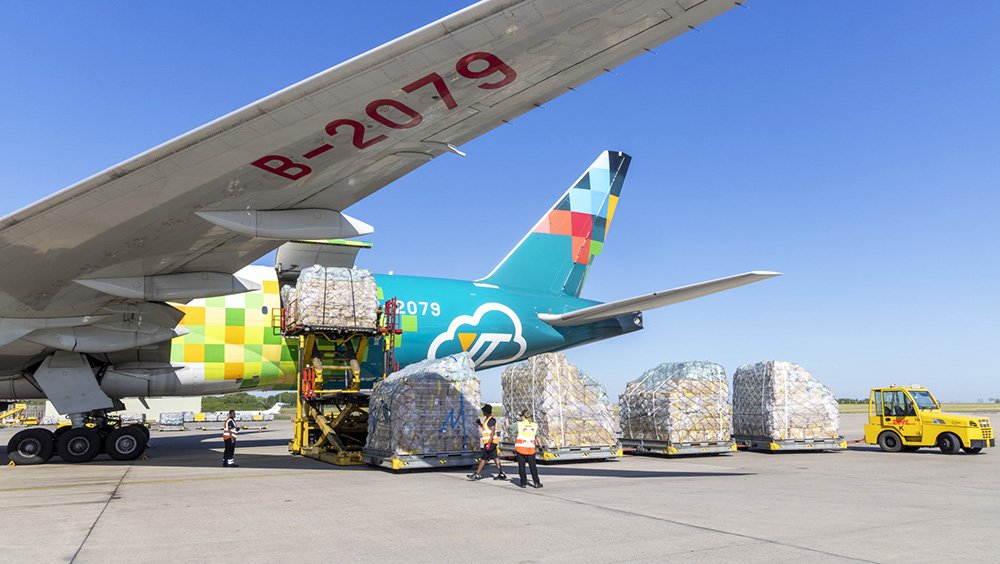
East Midlands Airport has continued to strengthen its role as a critical logistics gateway for express freight and e-commerce distribution, supported by major integrator operations led by DHL, UPS, and FedEx.
The airport’s cargo operations experienced substantial growth during the pandemic when global supply chains relied heavily on dedicated freighter capacity for the transportation of pharmaceuticals, medical supplies, e-commerce shipments, and time-sensitive goods. During that period, annual cargo throughput reached approximately 448,000 tonnes — the highest level in the airport’s history.
While volumes moderated following the pandemic peak, they remained consistently above pre-pandemic levels. The latest figures indicate that cargo demand has now returned close to those historic highs, driven by rising international trade activity, growing express delivery demand, and expanding long-haul freight operations.
Airport officials also reported a surge in new airline activity, with seven additional cargo operators launching services at East Midlands Airport during the second half of 2025 alone, further strengthening the airport’s position within the UK freight market.
Infrastructure Investments Support Expansion Plans
To accommodate continued growth, the airport has accelerated investment in cargo infrastructure and operational capacity.
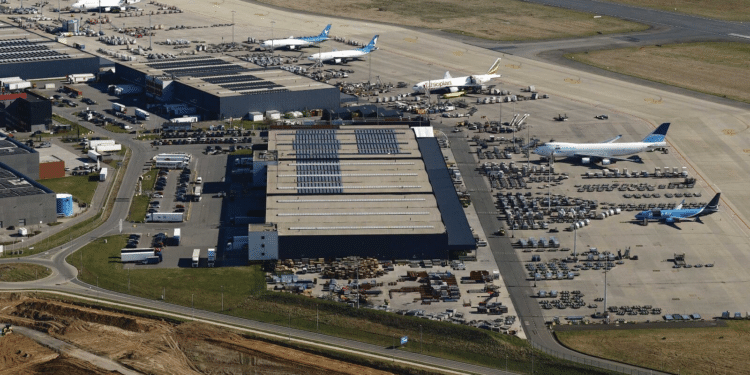
Recent developments include the construction of additional parking stands for freighter aircraft, expanded secure gatehouse facilities, and improved airside access for cargo operators.
Ground handling company Swissport has also relocated to a larger cargo facility at the airport to support increasing freight volumes, while logistics operator YunExpress recently opened a new cargo handling facility on-site.
In parallel, East Midlands Airport unveiled long-term development plans aimed at expanding cargo operations through the development of four additional logistics sites adjacent to the runway. The project is expected to support more than 21,000 jobs and contribute an estimated £3.9 billion to the regional economy over the coming decades.
Airport projections indicate that freight demand could rise by approximately 54 percent over the next 20 years, reinforcing the need for continued infrastructure expansion and operational investment.
Larger Aircraft Driving Efficiency Gains
Despite the increase in cargo volumes, the airport recorded a decline in total freight aircraft movements during the same period.
Annual cargo flight movements fell by approximately 3.1 percent, or nearly 2,000 flights, to slightly above 60,000 annual movements. Airport officials attributed the reduction primarily to fewer short-haul European services and increased utilisation of larger widebody freighter aircraft operating on longer intercontinental routes.
The trend reflects broader changes in global air cargo networks, where airlines are prioritising higher-capacity aircraft and consolidated long-haul operations to improve efficiency and optimise operating costs.
Adam Andrews, Commercial Director at East Midlands Airport, described the results as a significant milestone for the airport’s long-term cargo strategy.
He noted that the airport’s central location within the UK, direct access to national road networks, dedicated freighter operations, and 24-hour operating capability continue to provide strong competitive advantages for time-critical logistics and express freight services.
Unlike several UK airports that rely heavily on bellyhold cargo transported on passenger aircraft, East Midlands Airport remains heavily focused on dedicated cargo aircraft operations, enabling faster turnaround times and greater operational flexibility for freight carriers.
The latest growth figures further reinforce the airport’s role as a major logistics gateway for the UK’s air cargo sector as demand for express delivery, e-commerce distribution, and time-sensitive freight services continues to expand globally.