
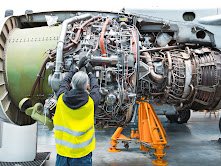
The International Air Transport Association (IATA) and the International Airlines Technical Pool (IATP) have announced a new partnership aimed at helping airlines navigate ongoing supply chain challenges by improving access to aircraft parts and increasing visibility of available maintenance resources.
The collaboration comes as airlines worldwide continue to face shortages of components, longer repair turnaround times and rising maintenance costs, all of which have affected fleet availability and operational reliability. The initiative has been announced by IATA and IATP as part of broader efforts to improve resilience across the aviation maintenance ecosystem.
Responding to persistent supply chain pressures
Aircraft manufacturers, maintenance providers and airlines have spent the past several years dealing with disruptions across the aerospace supply chain, from parts shortages to delays in engine overhauls and repairs.
Related Post


According to Stuart Fox, IATA’s Director of Flight and Technical Operations, stronger collaboration across the industry is essential if airlines are to overcome these challenges.
“Supply chain constraints continue to create operational and financial pressure for airlines,” Fox said.
“Addressing these challenges requires practical cooperation across the industry. By combining IATP’s technical pooling expertise with IATA’s technical expertise, we can help airlines access serviceable materials and strengthen maintenance resilience.”
Combining pooling with digital visibility
The new agreement focuses on two key areas.
The first is improving airlines’ access to serviceable aircraft parts and maintenance resources.
Under the partnership, IATA will support IATP’s long-established technical pooling programmes, which allow member airlines to share aircraft components, equipment and maintenance capabilities instead of maintaining large inventories individually.
The initiative will be supported by IATA’s MRO SmartHub, a digital platform designed to improve visibility of available aircraft materials and help airlines identify serviceable parts more quickly.
According to IATA, combining technical pooling with better data on parts availability should enable airlines to source components more efficiently while reducing downtime caused by supply chain disruptions.
Sharing technical knowledge and best practices
The second part of the partnership focuses on closer cooperation in technical operations, safety and quality assurance.
The two organisations plan to expand the exchange of technical expertise and industry best practices through programmes including the IATA Operational Safety Audit (IOSA) and the IATA Safety Connect community platform.
The aim is to help airlines strengthen maintenance standards while improving operational resilience across their technical organisations.
Wider access to MRO SmartHub
Alongside the partnership, IATA also announced that it will make the core functions of MRO SmartHub available to eligible airlines at no cost through a new data participation programme.
Initially, the initiative will be open to airlines that are members of participating organisations, including IATA, IATPand the Latin American and Caribbean Air Transport Association (ALTA), with the possibility of expanding access in the future.
Fox said improving visibility of available aircraft materials is becoming increasingly important as airlines continue to manage constrained supply chains.
“Improving visibility of available aircraft materials is essential to helping airlines manage today’s supply chain challenges,” he said.
“Broader access to MRO SmartHub will help airlines identify serviceable parts more efficiently, support better materials management and complement existing industry pooling programmes.”
Smarter maintenance planning
Originally launched in 2019, MRO SmartHub has recently been upgraded with enhanced analytical capabilities.
The platform now provides deeper insights into parts availability, usage trends and potential shortages while helping airlines locate certified serviceable inventories from accredited suppliers.
By giving maintenance teams better information on available components, the system is expected to support more efficient procurement decisions and improve planning across airline maintenance operations.
IATA also believes wider use of the platform will encourage greater participation in industry pooling programmes, allowing airlines to make better use of shared maintenance resources.
The value of technical pooling
For decades, IATP has operated a collaborative model that enables airlines to share critical maintenance assets, reducing costs while improving operational flexibility.
Today, the organisation’s network provides members with access to more than 6,600 aircraft parts across 350 stations, line maintenance support at more than 900 locations, and worldwide aircraft recovery services.
According to Giorgio Pietra, Chief Executive Officer of IATP, the current supply chain environment has highlighted the value of collaborative approaches.
“For decades, IATP has enabled airlines to share critical technical resources through pooling,” Pietra said.
“The value of the IATP pool model is even more evident during the current supply chain challenges. Pooling and digital materials visibility are complementary tools that help airlines access the parts and support they need to maintain operations.”
Essam Hanafy, Chairman and Custodian of IATP, added that these capabilities play an important role in helping airlines keep aircraft in service while controlling maintenance costs.
“These capabilities help airlines maintain fleet availability, reduce costs and maintain operational continuity in an increasingly challenging operating environment.”
Building a more resilient maintenance network
As supply chain disruption continues to affect airlines worldwide, improving access to aircraft parts has become a key priority across the aviation industry.
By combining IATP’s collaborative pooling model with IATA’s digital maintenance tools, the two organisations hope to give airlines greater flexibility in sourcing components, reducing aircraft downtime and maintaining operational reliability.
For carriers facing continued pressure on maintenance schedules and fleet availability, initiatives that improve access to serviceable parts could become an increasingly important part of building a more resilient aviation supply chain.