
EcoCeres expands SAF programme with SF Airlines at Ezhou
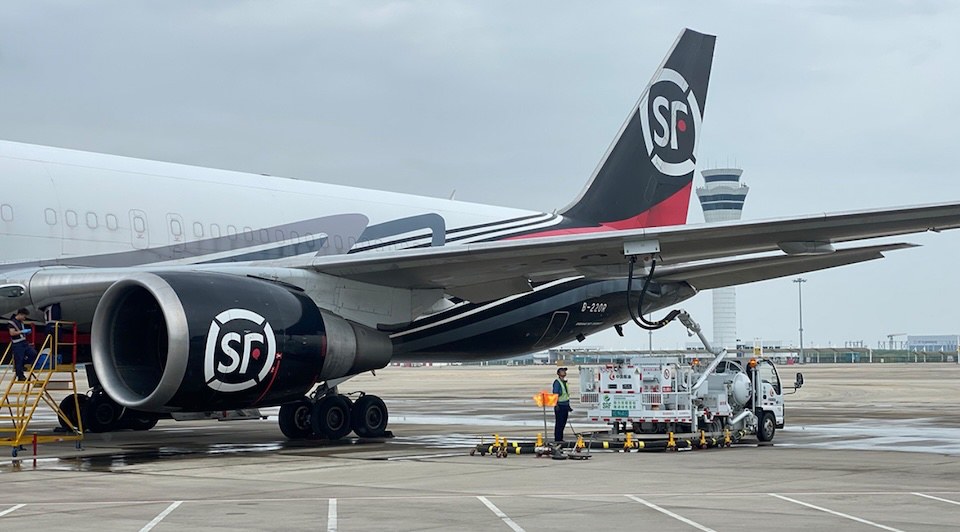
EcoCeres is expanding its sustainable aviation fuel (SAF) activities in China through a new partnership with SF Group, China National Aviation Fuel Group (CNAF) and the Second Research Institute of the Civil Aviation Administration of China (CASRI).The programme will see SF Airlines use EcoCeres-produced SAF on outbound freighter flights from Ezhou Huahu International Airport in Hubei, with CNAF responsible for blending and supplying the fuel through existing aviation-fuelling infrastructure.The initiative is designed to demonstrate how SAF can be integrated into cargo airline operations at scale, while providing a traceable mechanism for managing the fuel’s environmental attributes.EcoCeres said its waste-based SAF can deliver up to a 90% reduction in lifecycle greenhouse gas emissionscompared with conventional jet fuel, depending on feedstock and production conditions. The company has separately stated that its SAF products can achieve reductions of up to 94.4% compared with fossil jet fuel.The companies have not disclosed what proportion of SF Airlines’ Ezhou departures will initially use SAF or the volume of fuel involved.
SAF moves into cargo operations
The Ezhou programme builds on EcoCeres’ earlier SAF pilot in China, launched in March with CASRI, CNAF, China Southern Airlines, Air China Cargo, Sichuan Airlines and Huarong Chemical.Under that initiative, SAF produced at EcoCeres’ Zhangjiagang facility was blended by CNAF and used to refuel commercial flights at Chengdu Shuangliu International Airport. The project also tested the use of AnchorTrace, a Scope 3 SAF environmental-attribute registration and retirement platform developed by CNAF and CASRI.The latest programme extends this model into dedicated air cargo operations, with Ezhou providing a significant platform for SF Airlines’ freighter network.Ezhou Huahu is the principal hub of SF Airlines, giving the programme potential relevance beyond an individual SAF demonstration. The integration of renewable fuel into the carrier’s regular freighter operation could provide a model for wider adoption across China’s cargo network.James Tam, Co-Chairman of EcoCeres, said the project demonstrated how renewable fuel producers, aviation fuel infrastructure providers and cargo operators could work together within existing systems.“By integrating SAF into existing aviation fuel systems, we are working together with our partners to build a replicable, scalable and verifiable pathway for lower-emissions air cargo development in China,” he said.SF Airlines Chairman Li Sheng said the project represented an expansion of the group’s capabilities across the SAF supply chain, from sourcing and blending through to fuelling and freighter operations.
Tracking environmental attributes
A key element of the programme is the use of AnchorTrace, which is designed to support lifecycle tracking, registration and retirement of SAF environmental attributes.This traceability is increasingly important as airlines and cargo customers seek to quantify and report emissions reductions associated with sustainable aviation fuel.EcoCeres’ SAF is produced from waste-based feedstocks and is designed as a drop-in fuel compatible with existing aircraft and airport fuelling infrastructure. The company’s Zhangjiagang production facility in Jiangsu has annual production capacity of 350,000 tonnes, while its newer Johor facility in Malaysia adds a further 420,000 tonnes of annual capacity.The company also received China’s SAF export “White List” recognition and an airworthiness certificate for its Zhangjiagang subsidiary earlier this year, supporting its ability to supply SAF to domestic and international aviation markets.
Cargo sector gains another SAF pathway
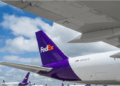
For the air cargo sector, the Ezhou programme is significant because dedicated freighter operations provide an additional pathway for SAF deployment beyond passenger aviation.SF Airlines operates one of China’s largest dedicated freighter networks, while Ezhou has been developed as a major cargo hub. The use of SAF on outbound freighter services therefore creates an opportunity to link fuel decarbonisation directly with cargo supply chains and customers seeking to reduce Scope 3 emissions.EcoCeres said it plans to build on the programme by expanding its SAF presence across Hong Kong and mainland China, linking regional feedstock supply and production with demand from both passenger and cargo operators.The development comes as China’s SAF ecosystem moves from pilot projects towards broader commercial deployment, with fuel producers, airlines, airports and fuel suppliers increasingly testing how SAF can be incorporated into existing aviation infrastructure.For SF Airlines, the partnership provides an opportunity to integrate lower-carbon fuel into its freighter operation, while for EcoCeres it represents another step towards establishing a scalable SAF supply chain serving China’s rapidly developing air cargo sector.