
Related Post

- AI, digitalisation, e-commerce, shifting trade patterns, sustainability, geopolitics and workforce pressures are reshaping the industry, with e-commerce already representing around 20 percent of global air cargo volumes by the end of 2025.
- The Middle East conflict and closure of the Strait of Hormuz disrupted maritime and energy flows, pushing more cargo towards airfreight amid rising costs and constrained capacity. Lessons from Covid-19 are again highlighting the value of supply-chain partnerships and alternative routes.
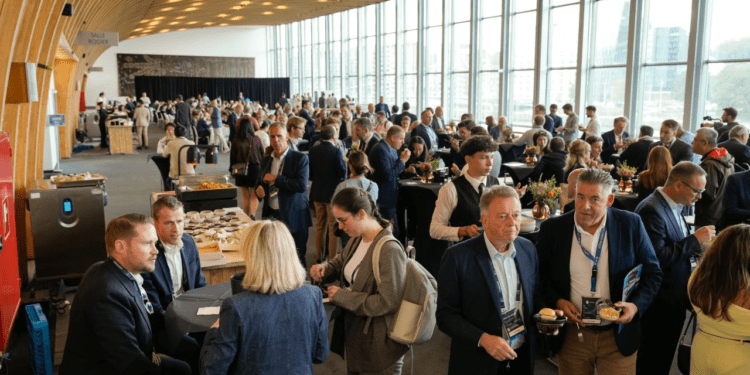
- TIACA ACF 2026 will bring together industry leaders to address economic conditions, shipper needs, dynamic partnerships, practical AI adoption, regulation and the leadership skills required to operate in an increasingly complex air cargo environment.
The global economy and society in general are being altered by AI, digitalization, shifting trade patterns, sustainability, security and workforce challenges, as many things converge. The question for air cargo leaders is no longer what is changing—but whether we are moving fast enough to respond. At the close of 2025, e-commerce accounted for approximately 20% of air cargo volumes worldwide, AI investments were ramping up with air cargo, a major
beneficiary of transportation with high tech data centers and upgraded energy infrastructure in high demand.
Geopolitical tensions and uncertainty of tariffs meant consumers were still a little hesitant but overall air cargo continued to demonstrate growth. We then reached the end of Feb 2026 and tensions in the middle east erupted and a
full-scale conflict was off in full force. With the strait of Hormuz closed, an energy stranglehold started, as around 20% of global oil demand is satisfied by oil passing through the Strait, 80% of which is destined for Asia.
The maritime industry dropped anchor, as major shipping lanes closed. But the global economy kept moving, so they turned to air. But with costs rising, and capacity becoming more difficult to procure, the time for collaboration was clearly upon us.
Calling upon the lessons learned during the covid crisis, supply chain partners opened up and helped forge new pathways to connect cargo to their destination. And as the international trading landscape continues to evolve, new partnerships established on common grounds of quality customer-centric solutions, become even more valuable.
Air cargo lives in a complex world and requires unique leadership skills to be able to respond effectively.
The TIACA ACF 2026 conference program will feature many industry leaders from across the globe who are chartering new paths through these challenging times. Sessions will tackle leaderships views, industry economic perspectives, the voice of the shipper, the need for dynamic partnerships, embracing AI with practical solutions, regulatory insights, and so many more topics from thought leaders and industry shapers.