
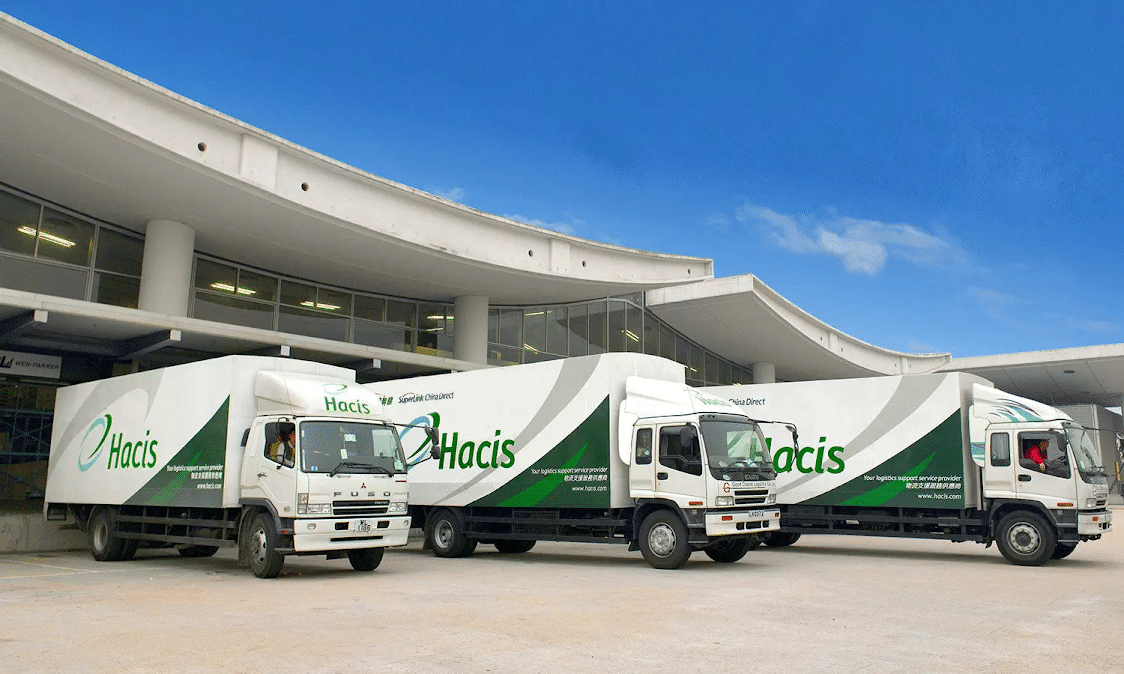
Hong Kong Air Cargo Industry Services Limited (Hacis) is expanding its SuperLink China Direct road feeder network to Vietnam, creating an alternative route for Vietnamese exporters to access international markets through Hong Kong International Airport (HKIA).
The initiative follows a successful pilot shipment carried by road from Vietnam through mainland China to Hong Kong. The trial, conducted in partnership with Vietnam-based U&I Logistics Corporation and Xuan Cuong Joint Stock Company, marks the first extension of the SuperLink China Direct network beyond mainland China.
The pilot consignment comprised 100 kg of whole-bean roasted coffee. It travelled from Vietnam through the Huu Nghi international border crossing into China, continued via Pingxiang to Wuzhou in Guangxi, and was subsequently transported to Hacis’ SuperTerminal 1 cargo facility at HKIA using a customs-bonded road feeder service.
Related Post



Announced on 22 September, the Vietnam extension is designed to give exporters and freight forwarders greater flexibility in choosing transport routes, combining cross-border road transport with access to Hong Kong’s extensive international air cargo network.
An alternative to conventional air and sea freight
SuperLink China Direct is Hacis’ established customs-bonded road feeder service connecting Hong Kong with mainland China. The Vietnam extension broadens the network’s geographical reach and introduces an additional air-road intermodal option for businesses moving goods into international markets.
For Vietnamese exporters, the model offers an alternative to conventional sea freight and direct air freight. Depending on shipment urgency, cost considerations and onward flight availability, businesses could use the road corridor to connect cargo with international air services from Hong Kong.
U&I Logistics chief executive Nguyen Xuan Phuc said the service provides additional transportation options, particularly for shipments that require faster movement than conventional sea freight but may not justify the cost of a fully air-freighted solution.
The initial target market includes electronics, technology components, industrial products and garments, alongside other high-value and time-sensitive manufactured goods. Coffee served as the pilot commodity, while the longer-term commercial opportunity is expected to centre on Vietnam’s manufacturing and export sectors.
Customs coordination underpins the route
The Single E-lock Scheme is central to the cross-border arrangement. The system enables customs authorities in mainland China and Hong Kong to monitor consignments using electronic seals and GPS tracking, helping improve shipment visibility and reduce the need for duplicate inspections.
According to the participating companies, the approach is intended to streamline border procedures and improve the predictability of cargo movements between Vietnam, mainland China and Hong Kong.
However, the corridor’s commercial performance will depend on effective coordination among logistics providers, customs authorities and transport operators, as well as the availability of reliable onward connections at HKIA.
Demand will determine service development
Hacis executive director Ringo Chan said the Vietnam extension builds on an established cross-border logistics model and creates opportunities to attract additional cargo flows through Hong Kong. The company has indicated that service frequency will initially be demand-driven as it develops the corridor and assesses customer requirements.
The partners are also exploring potential demand from e-commerce operators and exporters of higher-value consumer goods. As volumes develop, service arrangements could be adjusted to accommodate different cargo profiles and shipping requirements.
Gary Lau, chairman of the Hongkong Association of Freight Forwarding and Logistics (HAFFA), has called for closer coordination among regional customs authorities and transport departments to simplify clearance procedures. He has also proposed establishing additional Single E-lock designated zones in Vietnam or Guangxi to improve access to the service.
For the wider logistics industry, the initiative highlights the potential of combining road and air transport to diversify regional cargo corridors. It could provide exporters with another option for reaching international markets while creating opportunities for freight forwarders and logistics providers to develop more flexible routing solutions.
The immediate priority for Hacis and its partners is to build customer demand and establish a reliable operating model. Although the successful pilot demonstrates the route’s feasibility, its longer-term prospects will depend on competitive transit times, cost efficiency, customs coordination and sufficient shipment volumes to support regular services.