
Postal operators participating in the International Post Corporation (IPC) sustainability programme have reduced their combined annual CO₂ emissions by more than 41% since 2008, highlighting continued progress towards the sector’s climate targets.
The latest figures were released for Green Postal Day 2026, an initiative bringing together postal operators from across the Americas, Europe, Asia, Africa and Oceania to highlight progress in reducing the environmental impact of postal and parcel networks.
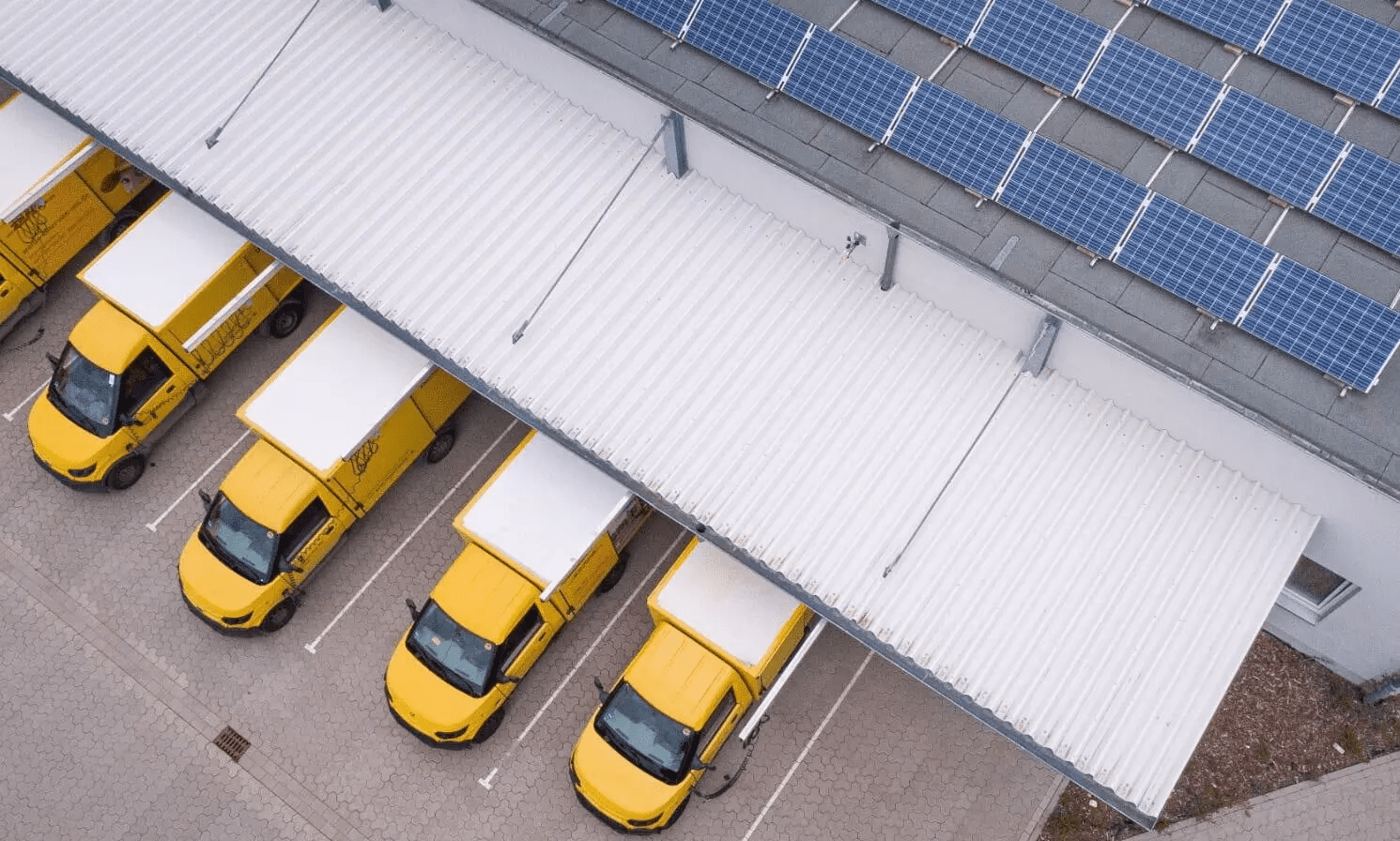
The reduction has been supported by greater use of renewable energy at postal facilities and the transition towards alternative-fuel and electric delivery fleets. IPC data shows that 35% of postal fleets now use alternative fuels, while 28% are electric. Postal operators have therefore already exceeded their 2030 target for fleet electrification, five years ahead of schedule.
Related Post



Deutsche Post Reaches 40,000 Electric Vehicles
Deutsche Post has emerged as one of the most significant examples of fleet electrification, with 40,000 electric delivery vehicles now operating in Germany.
Through its Deutsche Post and DHL brands, the company operates what DHL describes as the world’s largest electric delivery fleet operated by a postal operator within a single market. The vehicles are supported by 44,400 charging points, with 95% of the electricity used for charging coming from renewable sources.
The company is also extending its decarbonisation efforts beyond last-mile delivery. Deutsche Post currently operates 50 electric trucks and 570 bio-CNG trucks for mail and parcel transportation, reflecting a growing focus on reducing emissions from longer-distance road transport.
DHL Group CEO Tobias Meyer said the progress made in delivery electrification demonstrates what can already be achieved, while calling for further action in long-haul transportation and air freight.
The next phase of decarbonisation, he said, will require continued efforts across the entire transportation value chain.
E-Commerce Sector Welcomes Progress
The postal sector’s sustainability efforts are also receiving positive feedback from e-commerce businesses.
An IPC survey of 2,500 e-retailers across 19 countries found that 70% were satisfied with the sustainability performance of postal operators. The survey covered markets including Europe, North America, Asia and the Middle East.
The findings come as online retailers and their customers face increasing pressure to understand the environmental impact of cross-border deliveries.
To improve transparency, 13 postal operators participating in the IPC programme have introduced the IPC Carbon Footprint Calculator, which measures emissions at individual shipment level across the end-to-end transportation chain.
Data from approximately 95 million parcel shipments has already been processed through the initiative. IPC said the tool is intended to provide more detailed and consistent carbon-accounting information for cross-border postal deliveries.
The initiative could also help create a more consistent approach to measuring the emissions associated with individual e-commerce shipments as additional postal operators join the programme.
Renewable Energy and Alternative Fuels
Fleet electrification is only one part of the postal sector’s wider decarbonisation strategy.
According to IPC, 38% of the electricity consumed at postal facilities is now sourced from renewable energy. The organisation’s current 2030 objectives include sourcing 75% of energy used in postal operators’ own buildings from renewable sources and achieving a fleet comprising at least 50% alternative-fuel vehicles, including at least 25% electric vehicles.
The sector’s emissions-reduction programme also includes a target to reduce Scope 1 and Scope 2 emissions by 50% from the 2019 baseline.
The progress recorded since 2008 nevertheless illustrates the scale of the changes already taking place across postal networks, particularly in vehicle fleets and energy use.
Focus Shifts to Long-Haul Transport and Air Freight
With last-mile electrification advancing rapidly, the next challenge for postal operators is increasingly shifting towards heavier transport and aviation.
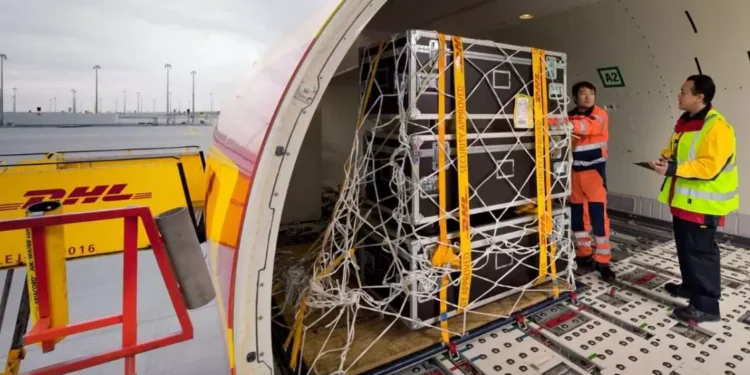
For Deutsche Post, the deployment of electric and bio-CNG trucks is part of that transition. DHL has also identified the decarbonisation of long-haul road transport and air freight as areas requiring further progress.
Nikola Hagleitner, CEO of Post & Parcel Germany, said the deployment of 40,000 electric vehicles demonstrates the company’s continued focus on e-mobility and lower-emission delivery operations. She added that growing customer demand for sustainable logistics solutions is reinforcing the transition.
For the wider postal sector, the challenge is to extend the gains achieved in delivery fleets across the full logistics chain, including linehaul, aviation, facilities and cross-border transportation.
Green Postal Day Marks Collective Progress
Green Postal Day was established in 2019 by the CEOs of postal operators participating in the IPC Sustainability Measurement and Management System (SMMS).
The initiative is intended to highlight the environmental and business benefits of collaboration across the postal sector. The latest programme brings together operators across multiple regions and builds on a sustainability measurement effort that began in 2008.
The latest results show that the sector has made substantial progress in reducing emissions while also accelerating the deployment of electric vehicles and renewable energy.
With fleet electrification already ahead of its 2030 target, attention is now increasingly turning towards the more difficult parts of the logistics chain—particularly heavy road transport and air freight—where further emissions reductions will be required to meet longer-term climate objectives.