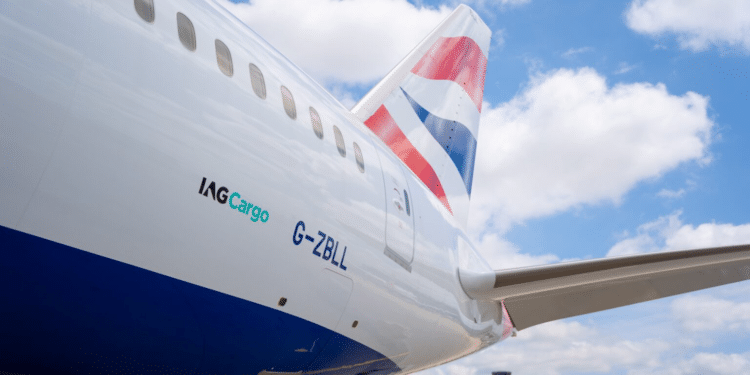

More than 330 aircraft in service underline the twin-engine freighter’s growing role in long-haul cargo operations
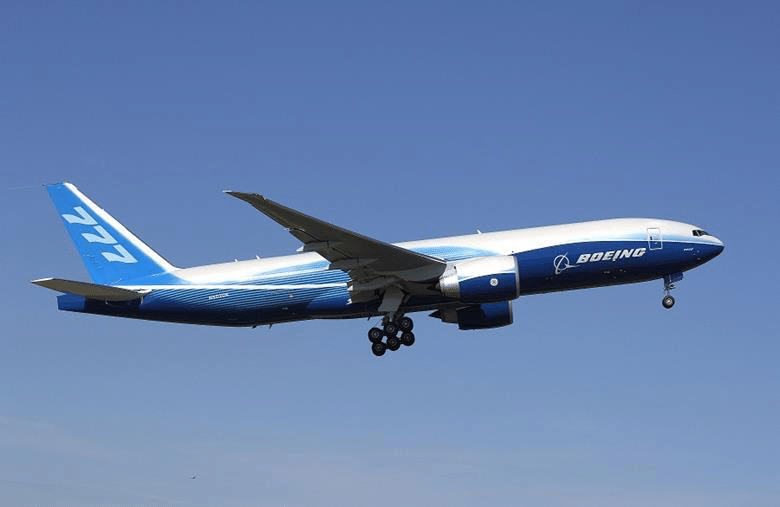
Boeing’s 777 Freighter has become the world’s most widely operated freighter by fleet size, according to figures released by the US aircraft manufacturer, highlighting the aircraft’s expanding role in global air cargo transportation.
The in-service fleet has surpassed 330 aircraft and now transports more annual air cargo than any other freighter type, Boeing said. The manufacturer also estimates that the aircraft accounts for approximately 40% of global freighter capacity, reflecting its extensive use on long-haul routes.
Related Post



The 777F has increasingly become a central part of airline cargo strategies, offering operators substantial payload capability and long-range performance without the need for an additional stop on many intercontinental routes. Boeing’s published specifications list a structural payload of up to 107 tonnes and a range of approximately 5,000 nautical miles at that payload.
High utilisation on long-haul routes
Boeing’s operational data highlights the aircraft’s intensive use across international cargo networks. During 2025, 777 Freighters reportedly accumulated around 6,250 flight hours, averaging more than 17 hours of operation per day.
The manufacturer also reported that 777Fs operated 80% of freighter flights covering more than 6,000 nautical miles during the year. The figures illustrate the aircraft’s importance on long-distance cargo routes connecting major production centres, distribution hubs and consumer markets.
Boeing estimated that goods transported by the 777F fleet in 2025 represented approximately US$4 trillion in trade value. This figure reflects the estimated value of the merchandise carried, rather than revenue generated by airlines or the aircraft programme.
The aircraft’s market position builds on a record of sustained adoption since its entry into service in 2009. In 2024, Boeing reported that the fleet had exceeded 250 aircraft and represented 37% of the global large widebody freighter fleet.
Production outlook shaped by emissions rules
The programme’s future has also been influenced by regulatory requirements governing aircraft fuel efficiency and carbon emissions.
In September 2026, the US Federal Aviation Administration granted Boeing an exemption allowing up to 35 additional 777F aircraft to receive original certificates of airworthiness after the relevant emissions requirements take effect on 1 January 2028.
The exemption is intended to help Boeing meet existing customer demand while it prepares the next-generation 777-8 Freighter, which is expected to replace the current model. Without the exemption, the manufacturer had warned of a potential gap in its large-freighter production offering.
The decision provides additional scope to deliver the existing 777F while development of its successor continues. The 777-8 Freighter is designed to offer increased payload capability and improved efficiency.
Orders and deliveries reflect continued demand
Boeing’s order and delivery figures point to continued activity across its 777 programme. The manufacturer reported 20 deliveries across the overall 777 commercial aircraft programme during the first nine months of 2026. That figure covers the 777 programme as a whole and should not be interpreted as deliveries of the freighter variant alone.
The supplied industry report also cites six 777F orders during 2026 and 38 unfilled orders for the model. These figures should be checked against Boeing’s model-specific order data before publication, as publicly reported programme-level totals may combine passenger and freighter variants.
Across the 777F and next-generation 777-8F programmes, Boeing has secured substantial customer commitments, reflecting operators’ continued investment in large widebody freighters.
With a fleet exceeding 330 aircraft, high utilisation on long-haul routes and regulatory support for a limited number of additional deliveries, the 777 Freighter remains a key aircraft in the global cargo market as operators prepare for the next generation of widebody freighters.