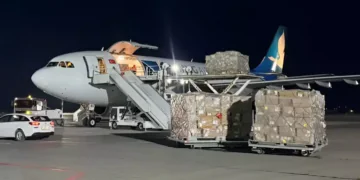

The global air cargo sector is set for continued expansion over the next two decades, with demand for new freighter aircraft expected to remain strong as airlines and cargo operators invest in capacity, fleet renewal and supply chain resilience.
According to Boeing’s 2026 Commercial Market Outlook (CMO), the aviation industry will require more than 2,900 new production and converted freighters between 2026 and 2045 to support growing air cargo demand and replace ageing aircraft.
Boeing forecasts that the global commercial aircraft fleet will expand by nearly 80% to more than 50,000 aircraft by 2045, supported by sustained passenger growth, expanding trade flows and increasing reliance on air freight for high-value and time-sensitive shipments.
Related Post

The manufacturer expects operators worldwide to require approximately 43,625 new aircraft deliveries over the next 20 years, including 930 freighters. These deliveries will include both new-build cargo aircraft and converted freighters, reflecting the continued importance of flexible fleet solutions in meeting market demand.
Boeing said air cargo demand remains resilient despite geopolitical uncertainty and shifting trade patterns. International freighter capacity has increased by 5% year-to-date in 2026, demonstrating the ability of cargo operators to adjust networks and maintain supply chain connectivity during periods of disruption.
Through 2045, global air cargo traffic is forecast to grow at approximately 3.7% annually, exceeding overall trade and economic growth. Boeing said this expansion will be driven by rising demand for the movement of high-value goods, perishables, time-critical shipments and cross-border e-commerce, along with the increasing importance of supply chain reliability.
The outlook also highlights continued growth across freighter categories. Boeing projects that the global freighter fleet will expand from around 2,395 aircraft in 2025 to approximately 4,010 aircraft by 2045, with growth supported by both fleet additions and replacement demand.
Large widebody freighters are expected to play a major role in long-haul cargo networks, with aircraft such as the Boeing 777 Freighter and future 777-8 Freightersupporting international trade lanes. Boeing estimates that more than 8,000 widebody aircraft will be operating globally by 2045, providing additional passenger and cargo capacity.
The manufacturer also highlighted the importance of next-generation freighter aircraft in improving efficiency and sustainability. Fleet modernisation will help operators replace older aircraft with more fuel-efficient models while meeting future environmental and operational requirements.
Boeing’s forecast comes as cargo operators continue to adapt their networks in response to changing market conditions, including geopolitical developments, e-commerce growth and evolving customer expectations.
The company expects air cargo to remain a critical component of global logistics, with freighters continuing to provide essential capacity for industries requiring speed, reliability and worldwide connectivity.