
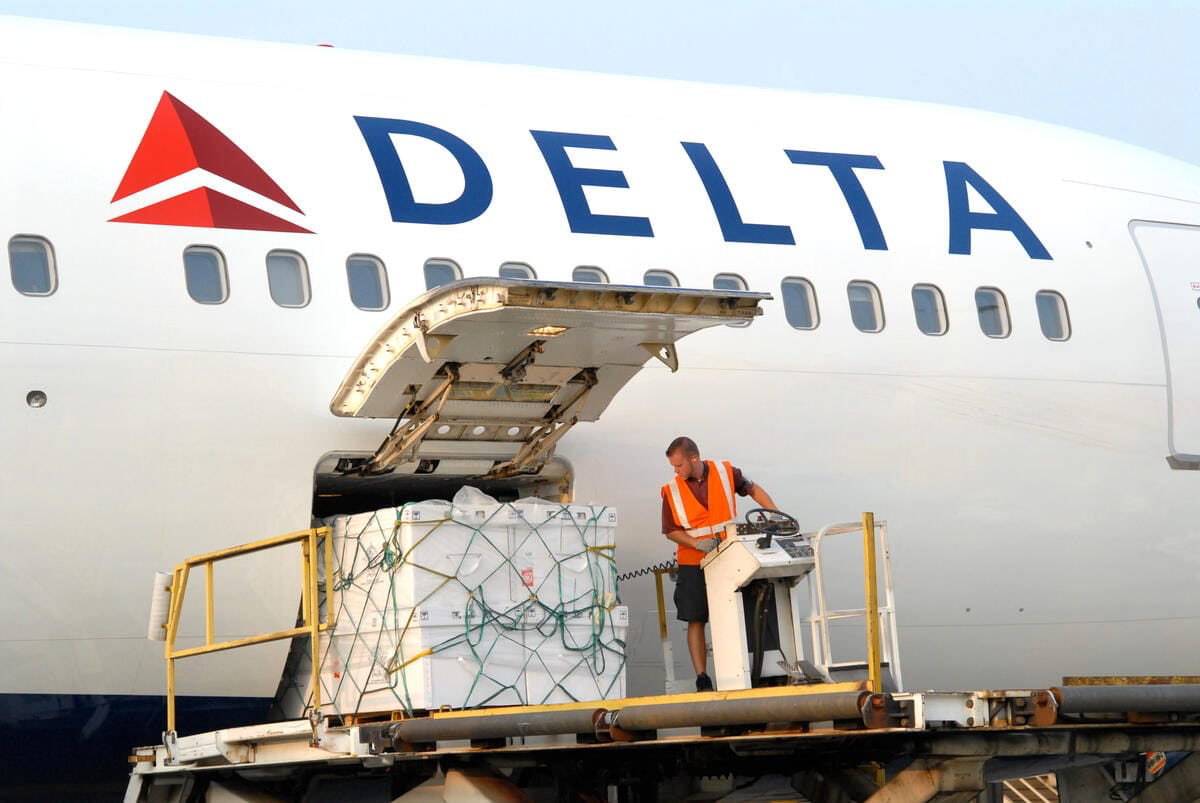
Delta Cargo is strengthening its digital distribution strategy through a new partnership with CargoAi, aimed at giving freight forwarders greater access to real-time cargo rates and electronic booking capabilities.
Delta Cargo and CargoAi have entered into a strategic digital partnership designed to expand the airline’s online booking capabilities and improve connectivity with the global freight-forwarding community.
The agreement was signed during the IATA World Cargo Symposium in Lima, Peru, in April 2026 by Peter Penseel, President of Delta Cargo, and Matthieu Petot, CEO of CargoAi. The collaboration forms part of Delta Cargo’s broader push to modernise the way customers access, evaluate and book its airfreight capacity.
Related Post

Under the agreement, Delta Cargo will integrate with CargoAi’s digital platform to enhance rate visibility and enable eBooking for freight forwarders. The objective is to make Delta’s cargo offering more accessible through digital procurement workflows while reducing friction in the quotation and booking process.
The move comes as airlines and freight forwarders increasingly shift towards digital distribution models that provide faster access to pricing, capacity and booking information. For carriers, these platforms offer an additional route to market; for forwarders, they can reduce reliance on manual rate requests and fragmented booking processes.
The partnership also fits into Delta Cargo’s wider digitalisation programme. The airline has continued to invest in online tools that allow customers to shop, book and manage shipments digitally. In July 2026, Delta Cargo introduced a five-day flexible-date search function on its own website, allowing customers to compare available flight options, schedules, capacity and pricing within a single search. Delta also lists several preferred digital partner platforms through which customers can book cargo.
“Digital innovation is a key pillar of Delta Cargo’s strategy,” said Peter Penseel, President of Delta Cargo, in comments supplied for the partnership announcement. The collaboration with CargoAi, he added, is intended to enhance the digital booking experience by improving visibility and efficiency for freight-forwarding customers.
For CargoAi, the agreement adds another major airline relationship to its digital ecosystem. The company’s CargoMART platform is designed to provide freight forwarders with digital access to airfreight procurement, including rate comparison and booking capabilities, while its airline-facing technology supports digital distribution and connectivity.
Matthieu Petot, CEO of CargoAi, said the partnership reflects Delta Cargo’s focus on digital development and will give freight forwarders greater access to real-time booking and data.
A broader shift in cargo distribution
The Delta-CargoAi agreement reflects a wider transformation in air cargo distribution, as airlines seek to move beyond traditional sales channels and provide customers with more direct, automated access to inventory.
Digital booking is increasingly becoming a competitive differentiator, particularly as freight forwarders demand greater transparency over rates and available capacity. Delta Cargo has already expanded its digital footprint through partnerships with other platforms. In 2024, for example, the carrier expanded its collaboration with Freightos’ WebCargo and 7LFreight, providing real-time pricing and booking options for U.S. export and domestic capacity.
The CargoAi partnership therefore represents another step in Delta Cargo’s evolving digital distribution strategy, potentially broadening the ways in which forwarders can discover and book the carrier’s capacity.
The timing is significant. As air cargo markets become more dynamic and customers increasingly expect the same speed and transparency from freight services that they experience in other digital transactions, airlines are under growing pressure to make capacity easier to find, compare and book.
For Delta Cargo and CargoAi, the partnership signals a move towards a more connected digital cargo marketplace—one in which real-time information and electronic booking become increasingly central to the relationship between airlines and freight forwarders.