

Ethiopian Airlines is celebrating 80 years of continuous operations, marking a milestone that reflects its transformation from a single post-war route into Africa’s largest aviation group and a critical enabler of cargo and trade flows across the continent.
The airline’s journey began in 1946 with its inaugural flight operated by a Douglas C-47, connecting Addis Ababa to Cairo. Eight decades later, Ethiopian Airlines has built an extensive global network spanning more than 140 destinations across five continents, supported by a modern fleet exceeding 140 aircraft.
While the anniversary highlights the airline’s scale and longevity, it also underscores its structural importance within Africa’s aviation ecosystem. Ethiopian Airlines has evolved into a stabilising force in regional air transport, playing a central role in facilitating connectivity, commerce, and logistics across both intra-African and intercontinental markets.
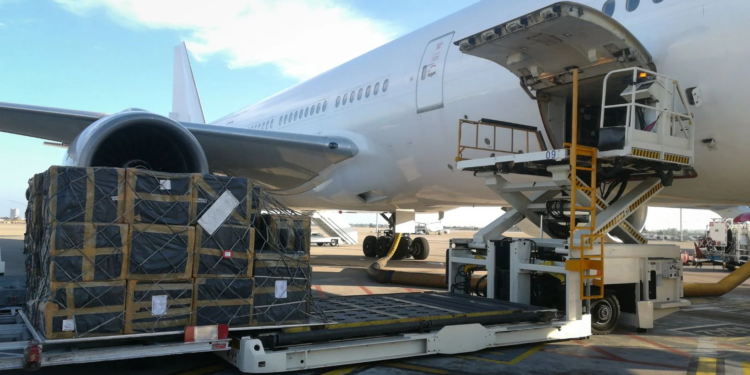
A defining moment in the airline’s modern history came during the COVID-19 pandemic, when it demonstrated operational agility by rapidly converting passenger aircraft into freighters. This strategic pivot enabled the airline to sustain operations at a time when much of the global aviation industry faced unprecedented disruption.
The move also reinforced the strength of Ethiopian Airlines’ cargo division, positioning it as a vital logistics backbone for Africa. During the pandemic, the carrier was instrumental in transporting essential medical supplies, vaccines, and humanitarian aid across the continent, ensuring continuity in critical supply chains and supporting global health responses.
This ability to adapt quickly to shifting market dynamics has become a hallmark of Ethiopian Airlines’ operating model. Cargo continues to play a pivotal role in underpinning network resilience, particularly as the industry navigates ongoing volatility and fluctuating demand patterns.
As part of its 80th anniversary commemorations, the airline has also highlighted the importance of long-standing regional markets such as Nigeria, which forms a key component of its intra-African connectivity strategy. Ethiopian Airlines began operations to Nigeria in 1960, shortly after the country’s independence, and has since developed a strong and enduring presence in the market.
Speaking during anniversary events in Lagos, Firiehiwot Mekonnen, General Manager for Nigeria, emphasized the depth of the relationship, describing Nigeria as a strategic partner rather than simply a destination. The focus on sustained engagement in key African markets reflects the airline’s broader approach to building long-term connectivity and supporting regional economic development.
Looking ahead, Ethiopian Airlines continues to invest in fleet expansion, infrastructure development, and cargo capabilities as part of its long-term growth strategy. These investments are expected to further strengthen its position as a leading global carrier while enhancing its role in supporting Africa’s integration into global trade networks.
At 80 years, Ethiopian Airlines stands not only as a symbol of longevity but as a dynamic force shaping the future of aviation and logistics across Africa and beyond.