

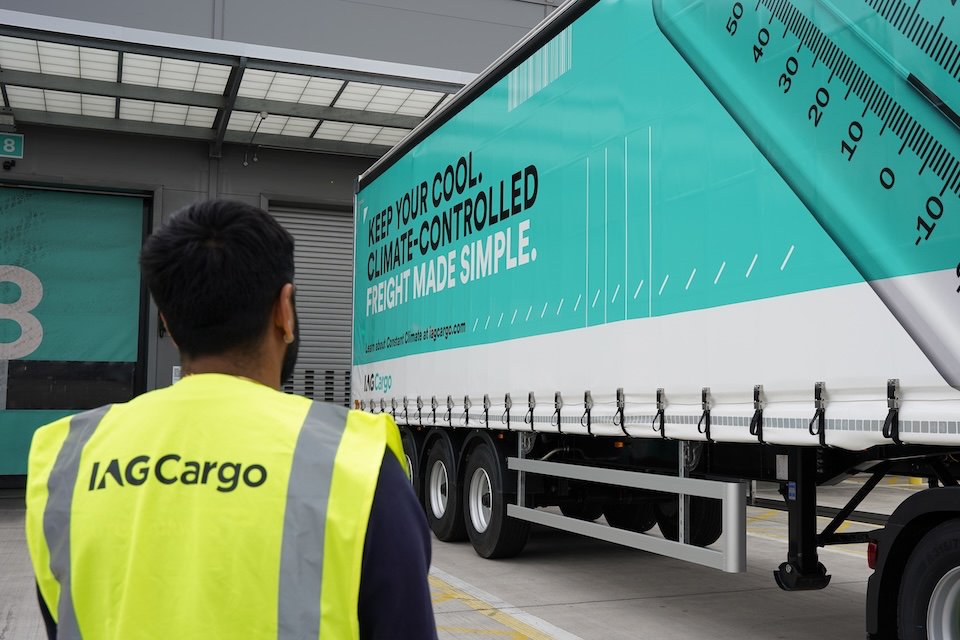
IAG Cargo has expanded its pharmaceutical logistics network with the addition of Kuala Lumpur International Airport to its Constant Climate programme, strengthening its cold-chain capabilities in Southeast Asia.
The new station is designed to handle temperature-sensitive pharmaceutical shipments using both active and passive temperature-control solutions and is certified to Good Distribution Practice (GDP) standards.
The addition takes IAG Cargo’s Constant Climate network to around 100 approved stations worldwide. The company has previously confirmed that its global network comprises approximately 100 locations supporting the transportation of pharmaceuticals, including vaccines, biotechnology products and diagnostic samples.



Kuala Lumpur strengthens Southeast Asia coverage
IAG Cargo said the Kuala Lumpur station responds to growing demand for reliable temperature-controlled logistics for high-value pharmaceutical and healthcare products.
The service will be supported by a daily Kuala Lumpur–London Heathrow flight, giving pharmaceutical shipments access to onward connections across IAG Cargo’s wider Constant Climate network.
Jordan Kohlbeck, head of pharmaceutical at IAG Cargo, said the addition would strengthen the carrier’s presence in Southeast Asia and provide customers with greater flexibility when moving temperature-sensitive products.
“This expansion reflects the growing demand for reliable cold chain solutions, driven by ongoing innovation in life sciences and the increasing need for fast, temperature-controlled transport of biologics, cell and gene therapies, and personalised medicines – all of which rely on the speed and precision that air cargo uniquely provides,” Kohlbeck said.
The daily Kuala Lumpur–Heathrow service is also intended to support faster onward connections. Kohlbeck said the schedule had been designed around an early-morning arrival at Heathrow, allowing shipments to connect with key Constant Climate stations on the same day.
“The daily Kuala Lumpur-London Heathrow schedule has been optimised to enhance service quality and reliability,” he said. “An early morning arrival into London Heathrow enables same-day connections to a number of key Constant Climate stations across the IAG Cargo network.”
Focus on temperature-sensitive pharmaceuticals
IAG Cargo’s Constant Climate product is dedicated to pharmaceutical, healthcare and life-sciences shipments requiring controlled temperature conditions. The company lists vaccines, biotech products and diagnostic samples among the cargo types handled through the service.
The carrier has continued to invest in its pharmaceutical infrastructure as demand for temperature-controlled air freight grows. In 2024, Constant Climate volumes increased by 22% year on year, according to IAG Cargo. The company attributed the growth to increasing demand from the pharmaceutical and life-sciences sectors.
IAG Cargo has also expanded its temperature-controlled infrastructure at London Heathrow. Its New Premia facility includes a dedicated Constant Climate Quality Centre with separate temperature-controlled areas, freezer capacity and cold-storage positions for pharmaceutical shipments. The facility is GDP certified by the UK’s Medicines and Healthcare products Regulatory Agency (MHRA).
Connectivity through the Global Cargo Joint Business
The Kuala Lumpur expansion comes following the launch of the Global Cargo Joint Business involving IAG Cargo, Malaysia Airlines’ cargo division MASkargo and Qatar Airways Cargo.
The partnership is intended to increase connectivity and capacity across the three carriers’ combined cargo networks, providing additional opportunities for shipments moving through Southeast Asia and beyond.
For IAG Cargo, the inclusion of Kuala Lumpur in Constant Climate adds a dedicated pharmaceutical gateway to that broader network while strengthening the role of London Heathrow as a hub for temperature-sensitive cargo.
The expansion also comes as the pharmaceutical industry increasingly relies on specialised logistics for biologics, advanced therapies and other products whose quality and efficacy can depend on maintaining tightly controlled conditions throughout the supply chain.