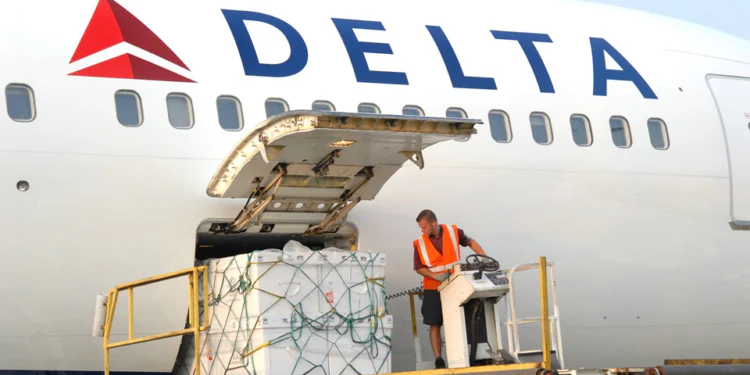

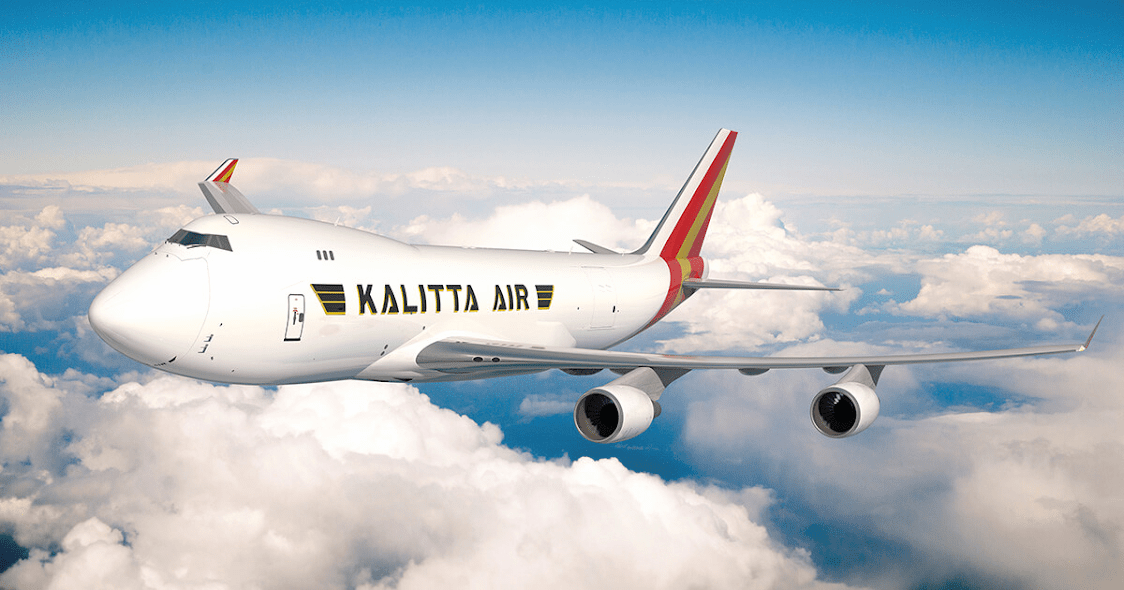
Kalitta Air and Air Atlanta Icelandic have expanded their use of CHAMP Cargosystems’ Cargospot Weight & Balance solution to support their Boeing 777-300ERSF freighter operations, bringing the aircraft onto the same central load-planning platform used across their existing fleets.
Kalitta Air is the global launch operator of the 777-300ERSF, while Air Atlanta Icelandic is the aircraft’s second operator and first European operator. Both carriers are now using Cargospot Weight & Balance in live operations, with the system designed to provide a common digital environment for load planning across different aircraft types.
Unified Load Planning
The move is aimed at improving operational consistency by allowing loadmasters to manage the 777-300ERSF alongside existing aircraft through a single system.
Related Post




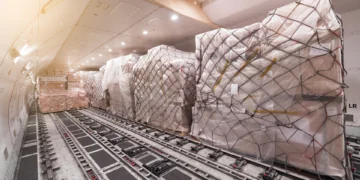
CHAMP said the unified approach reduces the need for additional training associated with separate load-planning platforms and helps create a consistent workflow for loadmasters. Its Cargospot Weight & Balance solution includes an autoload function that calculates weight distribution for the 777-300ERSF, supporting faster preparation of aircraft loading plans.
The system is also designed to optimise aircraft weight distribution and centre of gravity. According to CHAMP, maintaining an optimal centre of gravity can support fuel-efficiency improvements, while faster load planning can contribute to reduced ground time and higher aircraft utilisation.
777-300ERSF Enters Wider Commercial Service
The adoption of the platform comes as the Boeing 777-300ERSF gains a growing role in the freighter market.
Kalitta Air became the launch operator of the AerCap Cargo passenger-to-freighter conversion programme. The first two converted aircraft were delivered to the airline in September 2025, following certification by the Civil Aviation Authority of Israel and the US Federal Aviation Administration.
Kalitta’s current fleet information lists the 777-300ERSF alongside its 777-200F and 747-400F freighters. The airline lists a maximum payload of 224,900 lb (102,000 kg) and total volume of 30,162 cu ft (854 cu m) for the 777-300ERSF.
The aircraft is being deployed by Kalitta on cargo routes linking the US and Japan, while Air Atlanta Icelandic is using its 777-300ERSF to support cargo flows between Asia and Europe, according to CHAMP.
Supporting Fleet Efficiency
For operators managing mixed widebody fleets, integrating a new aircraft type into an established load-planning environment can reduce the operational complexity associated with introducing separate systems.
Toby Ray, Chief Loadmaster at Kalitta Air, said the carrier required a weight and balance solution capable of supporting the 777-300ERSF from entry into service while maintaining consistency with established fleet procedures.
He said the common platform had helped simplify training, improve planning efficiency and support payload and fuel-efficiency objectives.
Magnús Magnússon, Chief Loadmaster at Air Atlanta Icelandic, said extending Cargospot Weight & Balance to the 777-300ERSF had streamlined workflows while retaining the flexibility required for the aircraft’s operational characteristics.
Khaled Chamsuddine, Product Manager Aircraft Operations for Cargospot Weight & Balance at CHAMP, said the system was designed to digitalise and automate load-planning processes while providing loadmasters with control over complex calculations.
Digital Infrastructure for Freighter Operations
The deployment highlights the increasing role of digital load-planning systems as cargo airlines introduce new-generation and converted freighter aircraft.
For Kalitta Air, the 777-300ERSF forms part of its wider 777 fleet expansion alongside its established 747 freighter operation. The airline says the aircraft is being used to meet growing customer demand while supporting the gradual development of its 777 fleet.
By extending an existing Cargospot Weight & Balance environment rather than introducing a separate platform for the 777-300ERSF, Kalitta Air and Air Atlanta Icelandic are seeking to maintain common operational processes across their fleets while supporting the higher-capacity freighter’s entry into service.