

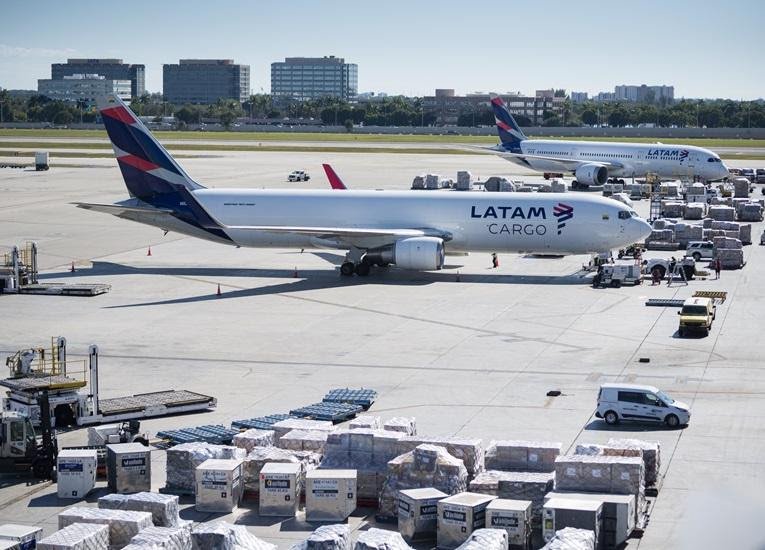
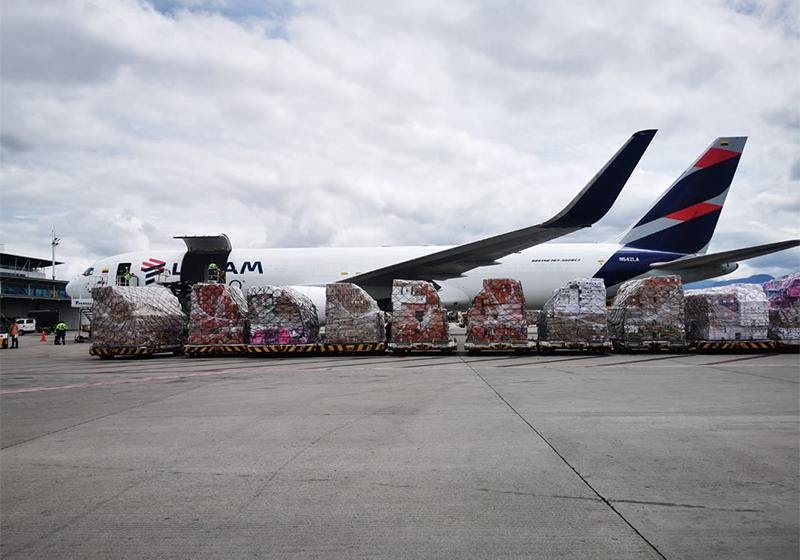
LATAM Cargo has once again secured its position as South America’s leading floral air freight operator, completing its 2026 Mother’s Day peak season with the transport of 24,400 metric tonnes of fresh flowers from Colombia and Ecuador to major consumer markets worldwide—marking the fourth consecutive year the carrier has led the region’s flower export market.
The 21-day operation, one of the most demanding seasonal programmes in the global perishables supply chain, was coordinated through three of South America’s principal floriculture export gateways—El Dorado International Airport, Mariscal Sucre International Airport, and José María Córdova International Airport—with more than 430 dedicated flights deployed to meet international demand ahead of one of the world’s most commercially important flower retail periods.
The operation underscores LATAM Cargo’s growing dominance in temperature-sensitive perishables logistics, supported by a carefully synchronised strategy built around commercial foresight, advance capacity planning and operational precision. According to Claudio Torres Faini, International Commercial Director for South America, the close alignment between LATAM’s commercial and operational teams provides both growers and importers with the confidence to make time-sensitive export commitments backed by guaranteed capacity and consistent service reliability.
Related Post



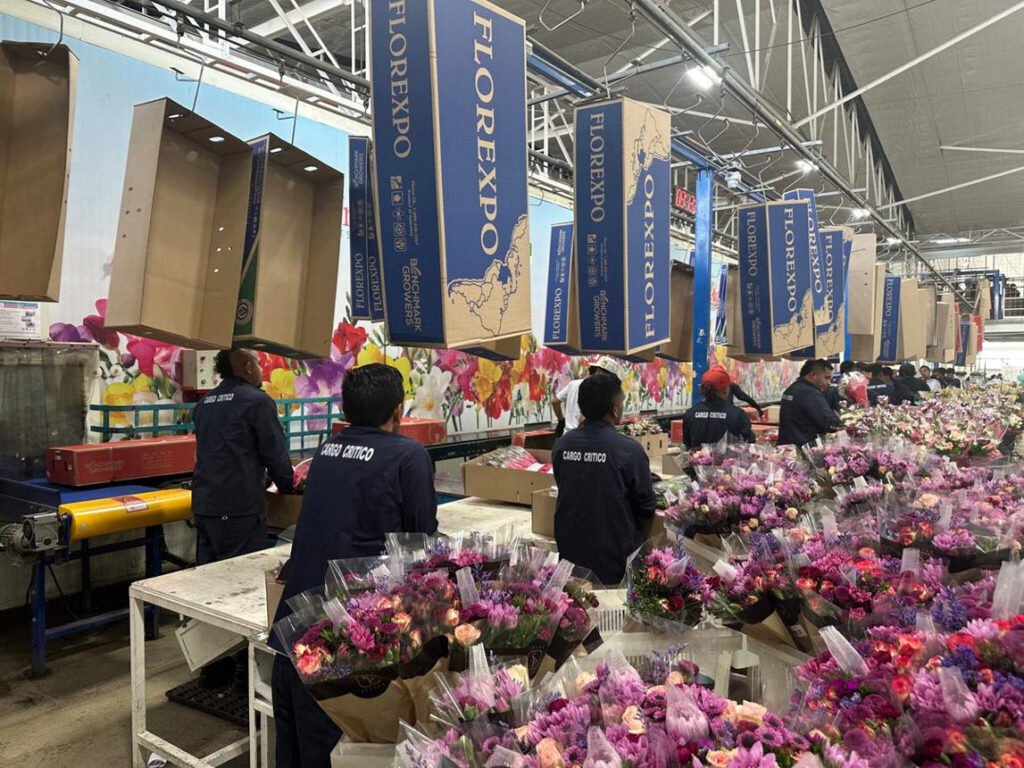
To manage the surge in demand, LATAM more than doubled its ground handling workforce compared with a standard operational week, reinforcing ramp operations, warehouse handling and supervisory teams across all three export hubs. This additional manpower enabled the carrier to maintain service continuity while handling cargo volumes equivalent to approximately 560 million flower stems—an average of more than 300 stems every second leaving South America during the seasonal peak.
The United States continued to account for the largest share of flower exports, reflecting its long-standing position as the principal destination for Colombian and Ecuadorian floriculture products. However, LATAM reported significant growth across non-traditional markets, with Europe, Oceania, Chile and Brazil all posting strong year-on-year increases, highlighting the expanding geographic diversification of South America’s fresh flower trade.
Behind the scenes, LATAM worked closely with growers, exporters and logistics partners, receiving volume forecasts several days ahead of shipment cut-offs. This advance visibility allowed the airline to accurately allocate aircraft capacity, warehouse resources and staffing levels across the supply chain—from cargo acceptance to final uplift—ensuring product freshness and on-time delivery throughout the network.
The success of the Mother’s Day programme further strengthens LATAM Cargo’s strategic position in the global perishables sector, where flowers remain one of South America’s most valuable air-export commodities. Colombia and Ecuador continue to rank among the world’s largest exporters of cut flowers, making reliable air connectivity critical to supporting growers, wholesalers and retail supply chains across North America, Europe and emerging international markets.
As seasonal demand for perishables continues to rise and consumer markets diversify, LATAM Cargo’s latest performance reinforces the carrier’s role not only as a freight operator, but as a key logistics partner underpinning one of Latin America’s most important export industries.
Story highlights / Key takeaways
Fourth consecutive year at the top: LATAM Cargo has retained its position as South America’s leading carrier for floral air exports during the Mother’s Day season.
24,400 tonnes moved in 21 days: The carrier transported 24,400 metric tonnes of fresh flowers from Colombia and Ecuador during the 2026 seasonal peak.
430+ dedicated cargo flights: The operation was supported by more than 430 dedicated freighter flights from key flower-export hubs in Bogotá, Quito and Medellín.
560 million stems delivered worldwide: The volume handled equates to approximately 560 million flower stems, averaging over 300 stems per second shipped across three continents.
Ground handling capacity doubled: LATAM more than doubled staffing levels across ramp, warehouse and supervisory operations to support the seasonal surge.
US remains dominant market: The United States continued as the largest destination market, while exports to Europe, Oceania, Chile and Brazil recorded notable growth.
Planning-driven execution: LATAM attributes success to advance capacity planning, close coordination with growers and integrated freighter-plus-bellyhold operations.
Floriculture supply chain leadership: The result reinforces LATAM’s strategic role in supporting one of South America’s most valuable perishables export industries.