

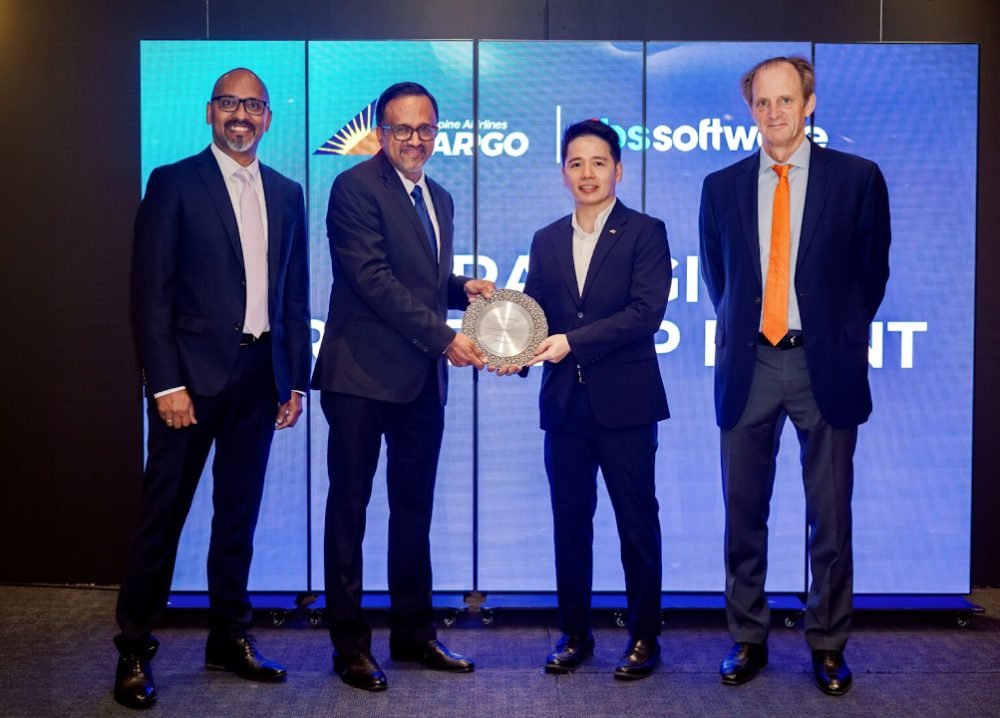
Cloud-based cargo management platform will replace PAL’s existing system, integrating commercial operations, ground handling and revenue accounting across its domestic and international network.
Philippine Airlines (PAL) has selected IBS Software’s iCargo platform to support a major modernisation of its cargo operations, replacing its existing cargo management system with an integrated, cloud-based solution.
The agreement represents an important step in the airline’s digital transformation strategy, with iCargo set to support cargo activities across PAL’s domestic and international network. The implementation will bring together key business functions, including cargo sales, ground handling operations and back-office revenue accounting, within a single technology platform.
Related Post



The transition is intended to improve operational performance, strengthen data analytics and provide greater visibility throughout the shipment journey, while reducing manual processes and increasing efficiency across the airline’s cargo business.
According to IBS Software, the platform will also accommodate the regulatory and operational requirements associated with international cargo movements, including customs reporting, duties and tax settlement, and regulatory compliance.
Integrated technology across the cargo business
The implementation will extend iCargo capabilities across PAL’s commercial, operational and financial functions, providing a unified digital environment for managing cargo activities.
The platform is designed to support faster shipment processing, improved system reliability and end-to-end shipment visibility. By consolidating information across different operational areas, PAL expects to improve coordination between teams and provide customers with more consistent shipment updates.
Data analytics will also play an important role in the modernisation programme, enabling the airline to gain better insights into operational performance and support more informed commercial decisions.
For PAL, the investment comes as it continues to develop its domestic and international network and seeks to strengthen the competitiveness of its cargo business.
Building a stronger customer experience
Beyond technology and operational improvements, the new platform is expected to support PAL Cargo’s customer service proposition, branded Care that Delivers.
Improved shipment tracking, more reliable information and streamlined processes are intended to give freight forwarders and other customers greater confidence when booking and managing shipments.
As cargo volumes and operational requirements evolve, the integrated platform will also provide a foundation for further digital development and innovation.
Jason Siy, Vice President for Cargo Business at Philippine Airlines, said the initiative represents an important milestone in the modernisation of the airline’s cargo operations.
“As we grow across our domestic and international network, we need a system that increases visibility, improves operational efficiency and enables us to deliver a better experience for our customers. We see iCargo as a key enabler of our long-term cargo transformation strategy and of our ambition to build an even stronger cargo business for the future,” Siy said.
Strengthening an established technology partnership
The selection of iCargo builds on an existing relationship between Philippine Airlines and IBS Software, extending the range of technology solutions supplied by the company to the Philippine flag carrier.
IBS Software said its proposal was selected on the strength of its technology capabilities and experience in delivering cargo management transformations for airlines internationally.
The partnership will involve working closely with PAL to establish the digital infrastructure required to support its future cargo business.
Sunil George, Vice President and Region Head of Oceania at IBS Software, said the agreement goes beyond the introduction of a new cargo management system.
“Philippine Airlines has a clear vision for the future of its cargo business, and we are proud to support that journey. This partnership is about more than implementing a new cargo platform. It is about working closely with PAL to build the digital foundation for future growth, innovation and operational excellence, and continuing a relationship we value deeply,” George said.
Digitalisation becomes central to airline cargo competitiveness
The agreement highlights the growing importance of integrated digital platforms as airlines seek to modernise cargo management, improve operational visibility and respond to increasingly complex customer and regulatory requirements.
For Philippine Airlines, the adoption of iCargo is intended to bring greater integration across its cargo business while providing the flexibility to support future network development.
The project also reflects a wider industry shift towards cloud-based cargo management systems, with airlines increasingly investing in technology to improve shipment transparency, operational reliability and commercial performance.
While no implementation completion date or financial value for the agreement has been disclosed, the selection of iCargo establishes an important technological foundation for PAL’s longer-term cargo growth ambitions.