

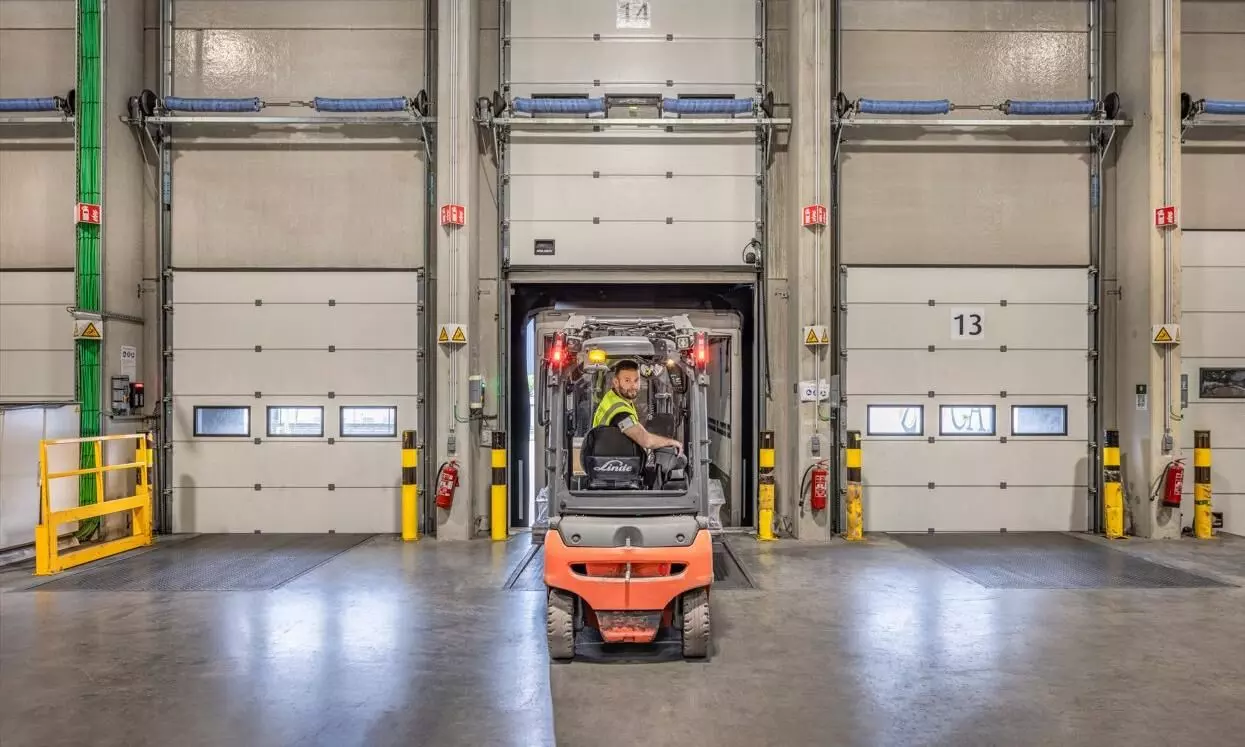
Worldwide Flight Services (WFS) has implemented a series of digital and operational upgrades at its cargo terminal at Milan Malpensa Airport, significantly reducing truck waiting times and improving overall processing efficiency.
Handling approximately 28,000 trucks annually at the facility, WFS has introduced a locally developed SMS-based system that assigns incoming vehicles to designated warehouse gates. The system enhances real-time communication with drivers, enabling smoother coordination for both import and export cargo movements while reducing congestion across the terminal.
Digitalisation and infrastructure redesign
Central to the improvements is a combination of digital innovation and physical infrastructure changes. WFS has redesigned the front area of its warehouse and introduced dedicated parking zones for trucks, creating a more structured flow of vehicles entering and exiting the cargo facility.
These measures have delivered measurable performance gains. Average truck processing time has been reduced to approximately 48 minutes, with nearly 45% of vehicles completing their turnaround within 30 minutes. Around 75% of truck visits are now handled within one hour, while only 10% exceed key performance thresholds during peak operating periods.
CargoKiosk adoption accelerates processing
In parallel, WFS is driving the adoption of its CargoKiosk solution, designed to further streamline driver and vehicle processing. The system simplifies documentation procedures, reducing manual intervention and accelerating transaction times for logistics operators.
By digitising key touchpoints in the cargo handling process, CargoKiosk not only shortens turnaround times for drivers but also improves productivity and operational visibility for freight forwarders and trucking companies.
Coordinated operations and future investments
To support sustained efficiency gains, WFS has also established a dedicated dock coordination office at the airport. This function enables closer oversight of truck movements and loading bay utilisation, ensuring that resources are allocated effectively during peak and off-peak periods.
The company is working in collaboration with airport authorities to identify additional opportunities for optimisation, with further investments planned to enhance vehicle flow and cargo handling capacity at the site.
Performance monitoring at the core
WFS emphasises that continuous performance monitoring and daily operational reporting are key to maintaining service improvements. These practices allow the company to track efficiency metrics, respond quickly to operational bottlenecks, and ensure consistent service delivery.
The enhancements at Milan Malpensa reflect a broader industry shift toward digitalisation and smarter infrastructure planning in air cargo logistics. By reducing waiting times and improving throughput, WFS is not only increasing terminal capacity but also contributing to more reliable and predictable supply chain performance.